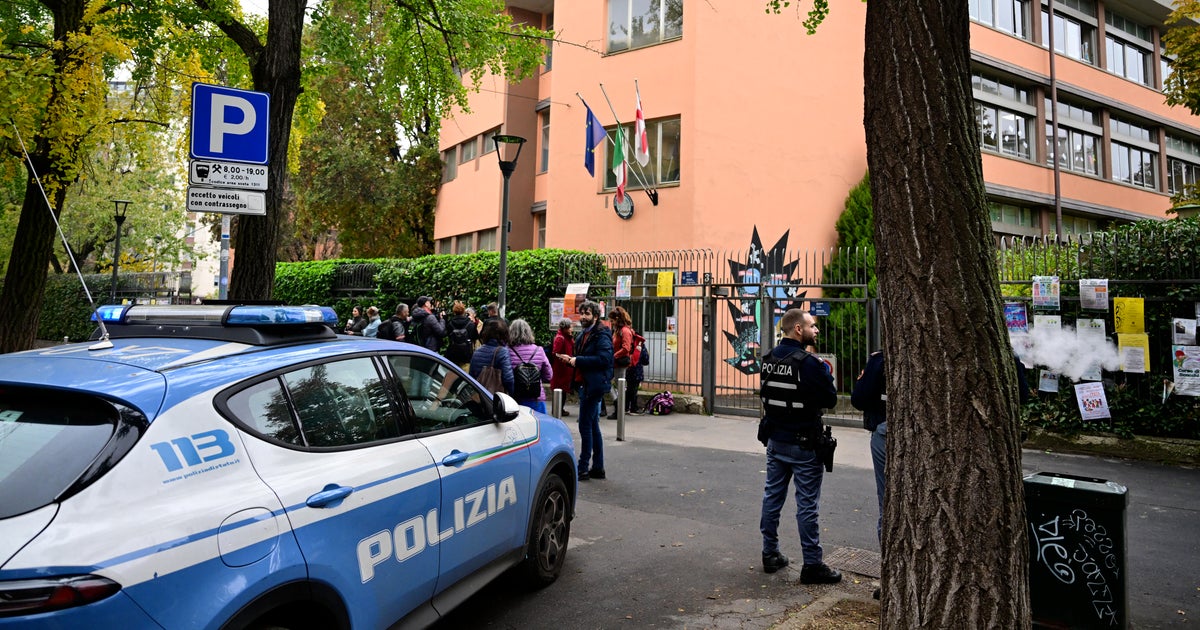
Thousands of schools across Italy, Ireland, and the United Kingdom received bomb threats by email on Wednesday, resulting in mass evacuations in several Italian cities. Italian authorities reported that at least 6,300 schools were targeted in that country, while hundreds of additional threats were sent to educational institutions in Ireland and the U.K. No explosives or suspicious devices have been discovered as investigations continue.
The school threats follow a series of similar incidents, including a wave of fake bomb threats that affected more than 20 European commercial flights on November 5. In Italy, this event marks the third instance of mass school threats in a month, following previous messages sent on October 19 and November 2. Italian Prime Minister Giorgia Meloni stated there was no "concrete danger" and characterized the emails as a strategy designed to cause alarm.
Italian media published an email sent to the schools attributed to "Mikhail Andropov," who claimed to be the leader of the "Vilayat of Misoginistan," a Russian group banned in Moscow years ago. The message stated a remote-detonated device had been left in the buildings and included threats against Prime Minister Meloni. Security officials and experts have noted that these hoaxes coincide with broader concerns regarding hybrid warfare tactics attributed by Western authorities to Russia and Iran, including cyberattacks on infrastructure such as grocery refrigeration units and blood banks.
The scale of these disruptions extends beyond education to the transportation and government sectors. The November 5 threats to more than 20 commercial flights caused numerous diversions, impacting travel for thousands of passengers. Additionally, the reported threat to U.S. Treasury Secretary Scott Bessent led to his relocation to a military base. These events require the mobilization of police, bomb disposal units, and specialized cybersecurity forces, such as Italy's Postal Police.
The incidents set a precedent for what MI5 head Ken McCallum describes as evolving threats targeting "people, businesses, and communities" rather than just government assets. These actions are designed to remain below the threshold that would trigger military defense alliances like NATO. What happens next depends on the ongoing investigations by Italian intelligence and international police forces. Prime Minister Meloni convened a meeting with cybersecurity experts to identify those responsible, though no specific dates for the conclusion of these investigations were reported.