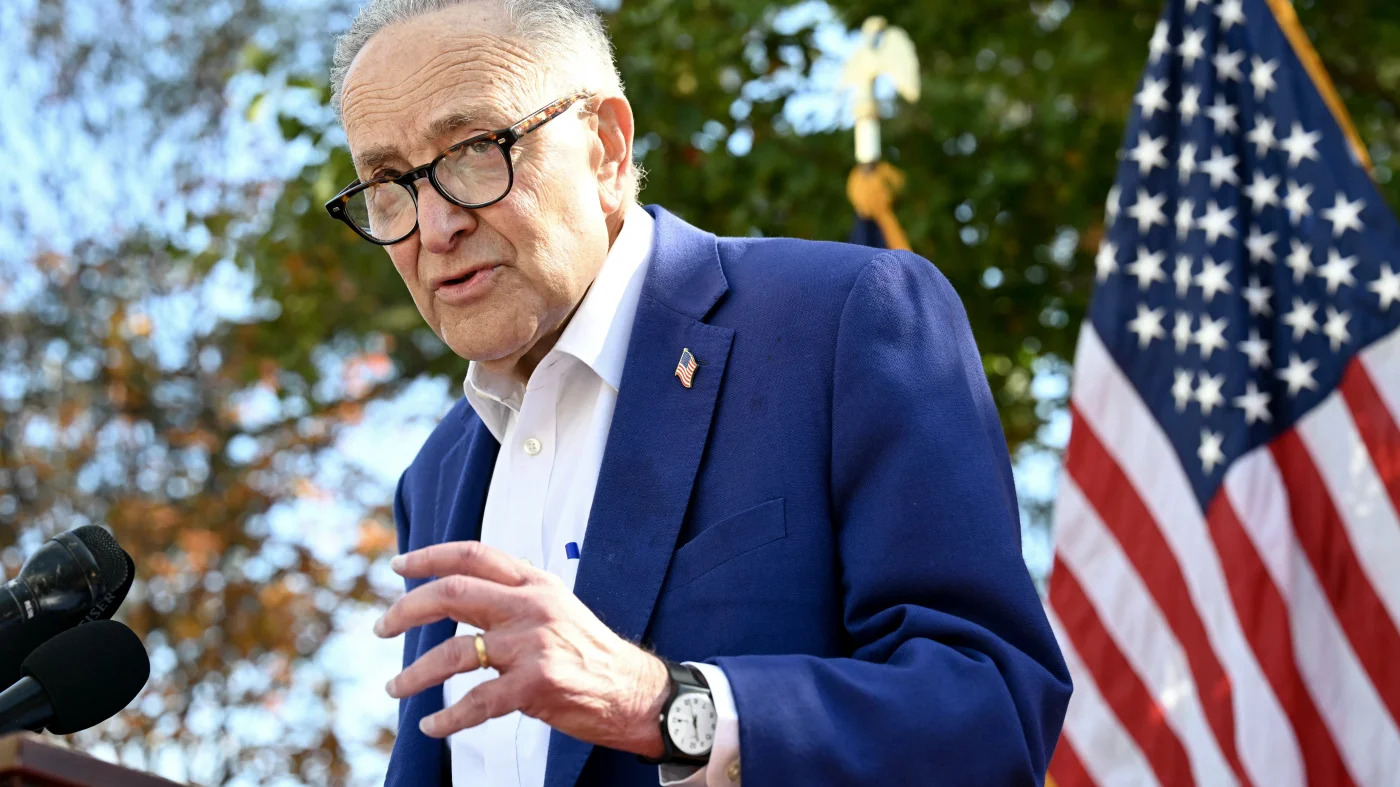
Senate Minority Leader Chuck Schumer (D-NY) stated on Wednesday, November 4, 2026, that his party’s gains in the midterm elections represent a "generational remake of the Senate map." The remarks followed Tuesday's elections, in which Democrats gained control of both the U.S. House of Representatives and the Senate. Schumer is expected to become Senate Majority Leader when the new Congress convenes in January.
The election results included Democratic victories in states previously carried by President Donald Trump, such as Iowa, Ohio, South Carolina, and Texas. In Kansas, a Democrat won a Senate seat for the first time in 94 years. Democrats currently hold a 54-seat majority, a figure that includes two independent senators who caucus with the party. Two Senate races, in Alaska and Mississippi, remained uncalled.
Schumer told reporters outside the Democratic Senatorial Campaign Committee in Washington, D.C., that the new majority would focus on bringing down the cost of living, ending the Iran war, and investigating allegations of corruption within the White House. He stated that Democrats intend to pursue these priorities with or without the president's cooperation. President Trump has indicated he will use his veto power against Democratic legislation, though he also signaled some willingness to negotiate on certain issues.
In his first public appearance following the election, President Trump did not focus on the Republican losses. Instead, he discussed White House construction projects during his time with reporters. The final two years of his presidency will now be met by a Congress controlled by the opposing party, which Schumer said would end a "supplicant Senate."
For Americans, this change in leadership may result in different legislative outcomes regarding household bills, though President Trump’s stated intent to use his veto power could lead to gridlock. Congressional oversight is expected to shift toward the White House as Democrats pursue allegations of corruption. The timing of these changes will begin in January 2027 when the new Congress is sworn in.
The effects of these elections extend to the judiciary and executive appointments, as the Senate majority determines which of the president's nominees receive confirmation hearings. The Democratic victory in Kansas, the first in nearly a century, follows a strategy of tailoring messages to specific states. What happens next depends on the final tallies in Alaska and Mississippi, followed by the transition of leadership in both chambers in January. Democrats will then begin setting their investigative and legislative schedules for the remainder of the presidential term.