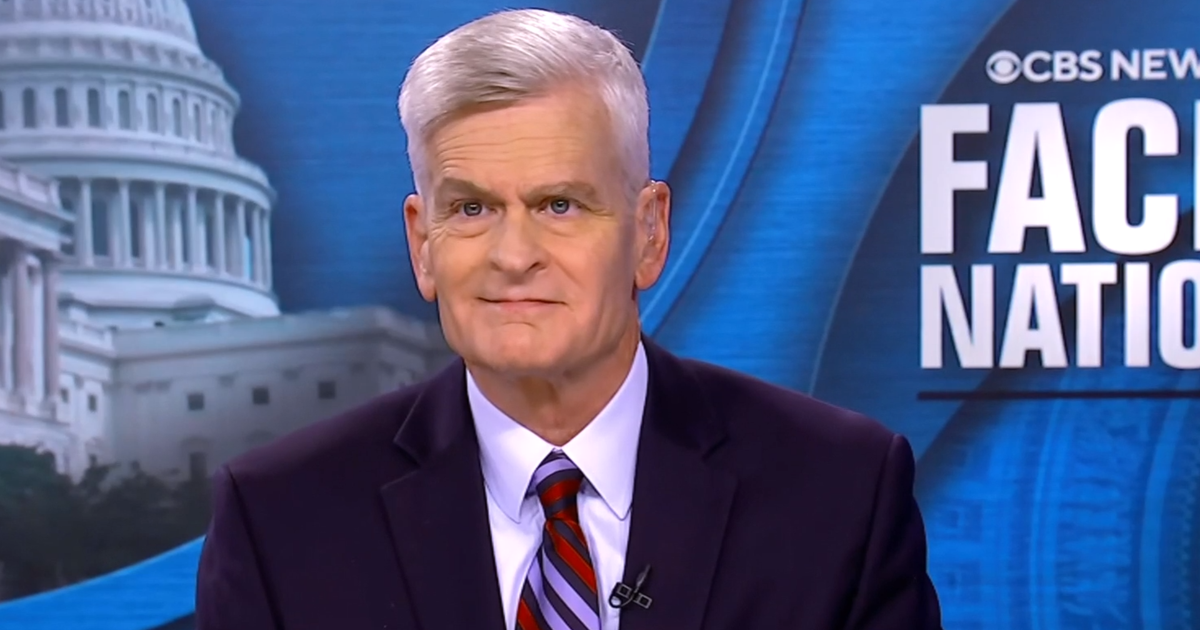
In an interview aired Nov. 15, 2026, Sen. Bill Cassidy (R-LA) stated that the United States has lost its status as a country where measles is considered eliminated. Cassidy, a physician and chairman of the Senate Committee on Health, Education, Labor, and Pensions, attributed the change to regular transmission of the virus and criticized current health leadership for failing to adequately educate the public on transmission risks. He noted that infants under one year old and immunocompromised individuals remain particularly vulnerable to the disease.
Cassidy also addressed the performance of Health and Human Services (HHS) Secretary Robert F. Kennedy Jr., describing the current situation as a "series of failures." The senator cited a lack of progress on addressing ultra-processed foods—a key issue for supporters of the "Make America Healthy Again" movement—alongside rising healthcare costs and the loss of measles elimination status. Kennedy recently stated that the Senate no longer holds "leverage" over him because Democrats will soon take the majority, a claim Cassidy dismissed as an attempt to "provide cover" for administrative shortcomings.
Regarding the nomination of Dr. Heidi Overton to lead the Food and Drug Administration (FDA), Cassidy said he remains undecided ahead of a committee vote scheduled for Wednesday. He noted that while some senators have raised concerns about her past involvement in vaccine policy and the oversight of flavored vapes, others argue that a permanent, Senate-confirmed leader is preferable to a series of short-term administrators. Cassidy stated he has been "working the phones" to discuss the nomination with fellow Republican members and advisors.
On the issue of Social Security, Cassidy reported that his efforts to advance a bipartisan reform bill have stalled. He stated that despite personal support from the president and Senate leadership, ranking member Sen. Ron Wyden (D-OR) has declined to hold a hearing or markup on the matter. Cassidy's proposed plan involves borrowing $1.5 trillion to invest in a fund separate from the Social Security trust fund, which he says would grow over 60 years to cover 70 percent of the program's debt.
The legislative impasse on Social Security affects the long-term financial security of current workers and retirees. Cassidy stated the program is projected to become insolvent in six years, a timeline that would necessitate benefit cuts or tax increases if no action is taken. His proposal to borrow and invest $1.5 trillion represents a significant shift in how the program is funded, intended to leverage market growth over six decades to offset trillions in future debt.
The outcome of the FDA confirmation vote on Wednesday will determine whether the agency has a permanent leader or continues under temporary administrators. A confirmed commissioner would oversee regulations affecting the prices of prescription drugs, the authorization of tobacco products like flavored vapes, and the scientific review of medications such as mifepristone. The Senate has approximately 20 working days remaining in the year to finalize these nominations and address government funding before the new session begins in January.