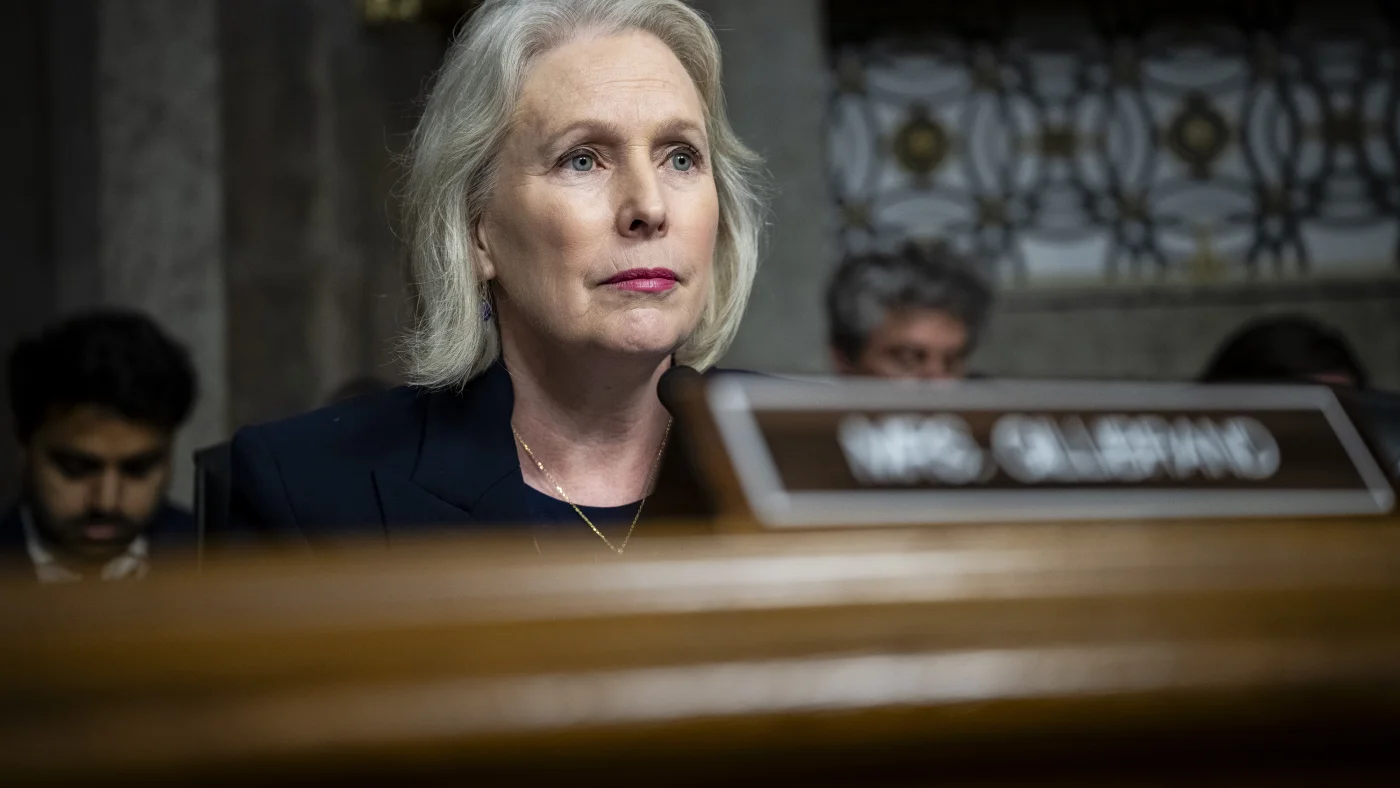
Sen. Kirsten Gillibrand (D-NY) stated on Thursday, November 5, 2026, that the newly elected Democratic majority in Congress will prioritize ending the war in Iran and lowering costs for Americans. Speaking in an interview following the 2026 midterm elections, Gillibrand indicated that the party intends to use its new legislative powers to restore health care access and conduct oversight of the Trump administration.
The statements come after Democrats secured control of both chambers of Congress in the November 3 elections. Gillibrand noted that the conflict in Iran was a factor in the election results, asserting that the war contributed to rising costs and represented a reversal of President Trump’s earlier promises to avoid prolonged military engagements.
Among the specific legislative goals, Gillibrand highlighted a proposal to restore Medicaid coverage. She also proposed a ban on stock trading by members of Congress and senior executive branch officials. While some members of the party have discussed the possibility of a third impeachment for the president, Gillibrand did not commit to that course of action, stating the party could focus on both ethics reforms and oversight.
For households and small businesses, the primary day-to-day impact hinges on the Democrats' ability to influence the war in Iran and its related costs. While Gillibrand did not provide a specific dollar figure for expected savings, she linked the conflict to high gasoline and diesel prices. A shift in military policy would also affect the deployment of U.S. service members and the allocation of federal tax dollars. However, the exact mechanism for how a Democratic Congress can end the war while the president remains commander-in-chief was not detailed in the interview.
The effects of this power shift extend to medical research and food assistance programs, which Gillibrand noted had faced recent cuts. If the new majority successfully restores funding to these areas, research institutions and families relying on federal nutrition programs would see a shift in available resources. What happens next depends on the seating of the new Congress in January 2027. Lawmakers will then face decisions on committee assignments and the introduction of the specific health care and ethics bills Gillibrand outlined. President Trump acknowledged on Wednesday, November 4, that the war contributed to Republican losses, but he has not yet specified how he will interact with the new Democratic majority regarding military or domestic spending.