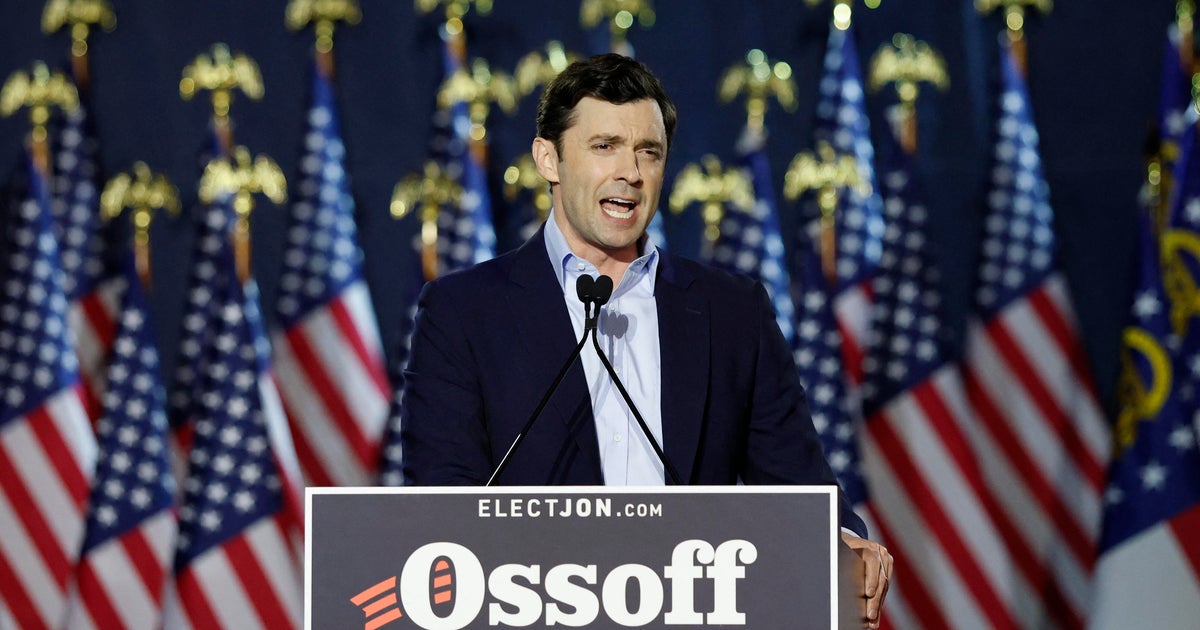
Sen. Jon Ossoff (D-GA) won reelection to the U.S. Senate on November 3, 2026, defeating Republican challenger Rep. Mike Collins by approximately 18 percentage points. The margin marked a significant increase from Ossoff's first election in 2021, which he won by roughly one percentage point. Despite the victory fueling speculation regarding a 2028 presidential bid, Ossoff stated during an October debate that he has "zero interest in running for president."
The 39-year-old senator’s victory occurred in a state that President Donald Trump won by two points in 2024. Following the race's conclusion, Ossoff characterized the midterm results as a rebuke of the Trump administration's performance. Political analysts noted that Ossoff’s campaign strategy involved shaping the Republican primary to face Collins, whom his team viewed as a less formidable opponent than other potential rivals.
Exit polling and precinct data indicated that Ossoff assembled a broad voter coalition. He maintained 93% support among Black voters while making gains with groups that have recently trended toward Republicans. Ossoff won 40% of White voters—a 12-point increase over the Democratic presidential performance in 2024—and secured 29% of White voters without college degrees. He also won approximately two-thirds of Latino voters, improving seven points over the 2024 Democratic margin.
In a post-election Emerson College survey of a hypothetical 2028 Democratic primary field, Ossoff led with 17% support, followed by former Vice President Kamala Harris and Rep. Alexandria Ocasio-Cortez (D-NY). He also received 38% of first-choice votes in a straw poll at Crooked Con, a progressive gathering in Washington. Jerry Gonzalez, CEO of the GALEO Impact Fund PAC, attributed Ossoff's success to constituent outreach and accessibility, though University of Georgia professor Charles Bullock questioned how Ossoff's moderate positioning would translate to early nominating states outside of Georgia.
For ordinary citizens, Ossoff’s performance and the broader "blue wave" results indicate a shift in the legislative balance in Washington starting in January 2027. With a Senate majority of 56 seats and a House majority of at least 258 seats, Democrats will have the authority to advance or block significant policy changes. This includes proposed efforts to reinstate Affordable Care Act subsidies, reverse roughly $1 trillion in Medicaid cuts, and expand Medicare to include vision, hearing, and dental coverage. Voters would likely see the impact of these decisions in their healthcare bills and benefit eligibility following the start of the next Congress.
The next steps for Democratic leadership involve internal votes and the transition to the new legislative session. Senate Democrats are scheduled to vote by secret ballot on December 1, 2026, to choose between Sen. Chuck Schumer (D-NY) and Sen. Chris Van Hollen (D-MD) for majority leader. In the House, Rep. Hakeem Jeffries (D-NY) has been nominated for speaker. While Ossoff remains in the Senate for a six-year term, his role as a fundraiser—having raised more than $3 million for the Georgia Democratic Party this cycle—and his position as an influential surrogate are expected to shape the party's national platform leading into the 2028 election cycle.