Democratic senators have intensified an investigation into the Trump administration following the cancellation of health insurance for approximately 760,000 individuals enrolled in Affordable Care Act (ACA) plans. The inquiry focuses on whether the administration followed proper procedures and used reliable data when it removed these enrollees from the marketplace in late August.
The administration initiated the cancellations as part of an effort to eliminate what it describes as "phantom accounts" and unauthorized enrollments. Centers for Medicare & Medicaid Services (CMS) Administrator Mehmet Oz stated on October 14 that the accounts were the result of fraud by insurance brokers who manufactured enrollments without providing Social Security numbers. The administration has launched a second phase of this operation, which is currently scrutinizing an additional 419,000 enrollments.
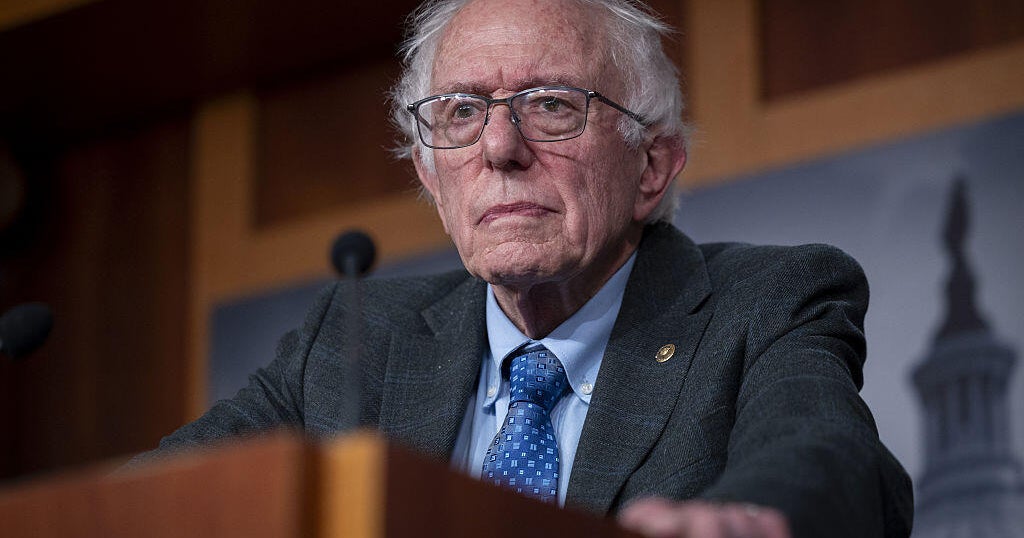
Leading the congressional inquiry are Sen. Ron Wyden (D-OR) and Sen. Bernie Sanders (I-VT), who are expected to chair the Finance and the Health, Education, Labor and Pensions committees, respectively, following recent elections. In late October, a group of 12 Democratic senators sent letters to 10 major health insurance CEOs, including those at UnitedHealthcare, Cigna, and Elevance Health, questioning their cooperation with the administration’s actions. The insurers were given until November 6 to respond to 28 specific questions regarding the process.
The outcome of this probe will influence the regulatory environment for health insurance companies and the brokers who sell their plans. Small-business owners and self-employed individuals who rely on the ACA marketplace may see changes in how their identities are verified or how their income is scrutinized. Currently, new requirements compel some applicants to undergo additional online identity proofing. Additionally, the federal government is asking insurers to monitor agents for suspicious patterns and potentially cut commissions to deter the creation of unauthorized accounts. These administrative hurdles could lengthen the sign-up process for millions of households during future open enrollment periods.
The investigation also sets a precedent for how the executive branch and Congress manage government subsidies, which are currently lower than in previous years; enrollment dropped from 22 million in 2025 to 19 million in 2026. If the probe finds that the administration overreached, it may lead to legislative efforts to protect enrollees from rapid cancellation. Conversely, if widespread fraud is confirmed, it could strengthen the case for stricter eligibility requirements and the expiration of premium subsidies. What happens next depends on the committee hearings expected to begin in January, when the new Congress convenes and gains the power to subpoena documents from both the administration and private insurers.