The U.S. Senate passed the Bipartisan American Affordability and Jobs Act on Thursday, a measure intended to accelerate the approval process for power plants and data centers. The bill, which passed with a 62-33 vote, received support from a majority of Republicans along with 14 Democrats and one Independent. It now moves to the House of Representatives for consideration.
The legislation was introduced following a period of rising energy costs and increased demand for electricity driven by artificial intelligence. According to reports cited in the bill's context, the cost of a kilowatt-hour has increased by more than 6% over the last year and 39% over the past five years, a rate exceeding overall inflation. Co-authored by two Democrats and two Republicans, the bill seeks to address these costs by streamlining federal permitting regulations.
Senate Majority Leader John Thune (R-SD) stated the bill would reduce administrative delays, known as red tape, and suggested it could save the average household hundreds of dollars annually. Co-author Sen. Sheldon Whitehouse (D-RI) noted the bill includes provisions to ensure data centers pay for the electricity they consume. However, opponents, including Sen. Maria Cantwell (D-WA) and Sen. Alex Padilla (D-CA), expressed concern that the changes could weaken the Clean Water Act and undermine tribal sovereignty and environmental protections.
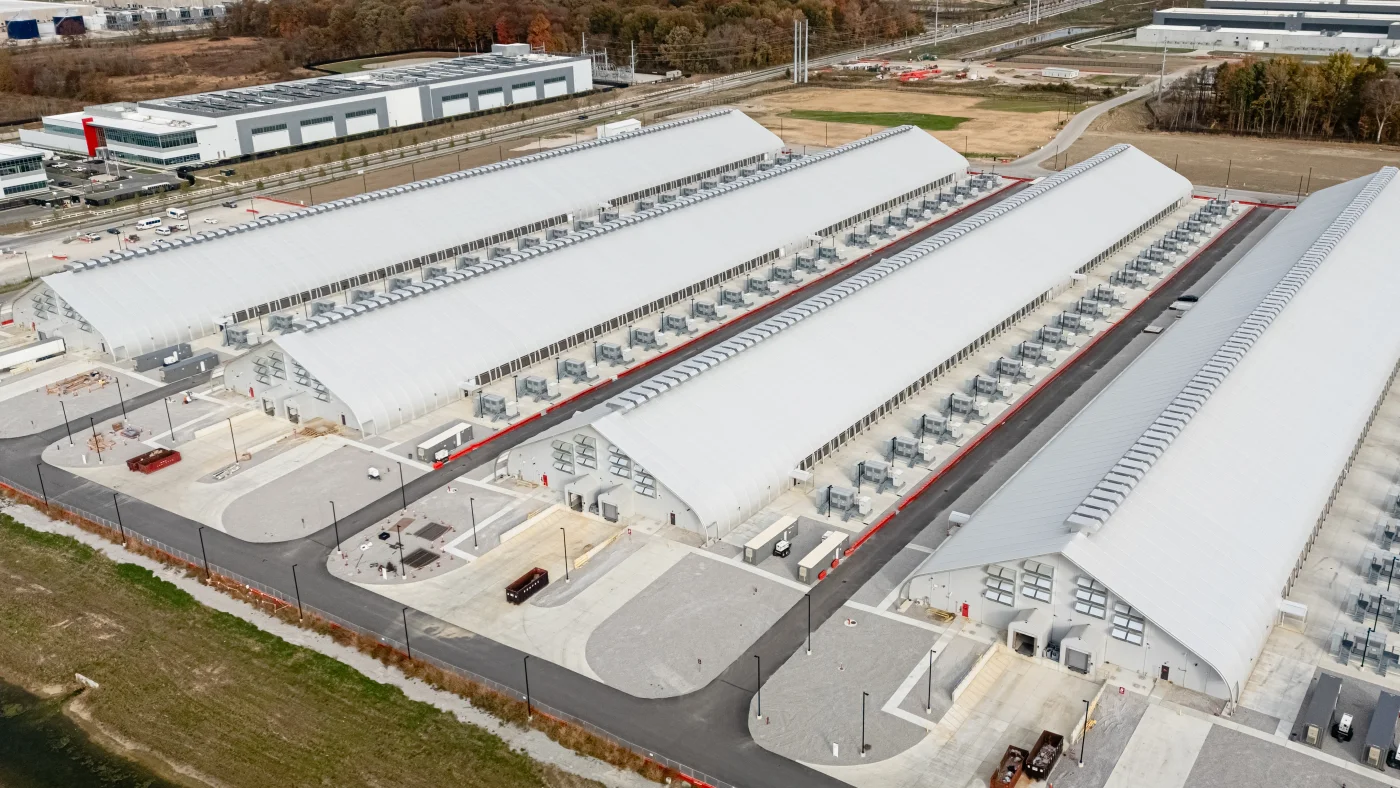
The scale of the bill's impact centers on the rapid expansion of energy-intensive artificial intelligence infrastructure. For residents in states like Ohio, where projects like the Meta Prometheus Campus are located, the bill would expedite the construction of data centers and the power plants required to run them. Environmental groups, such as the Sierra Club and National Wildlife Federation, state that this acceleration would occur by reducing the rigor of environmental accountability. This could lead to a concrete shift in how local communities can challenge projects based on clean air or water concerns, potentially speeding up construction timelines while limiting legal or regulatory avenues for local opposition.
For tribal nations, the bill sets a precedent regarding federal oversight of sacred sites and hunting grounds. Critics such as Sen. Jeff Merkley (D-OR) argue the bill establishes a framework that favors natural gas production over renewable energy transmission. The next steps for the legislation involve a vote in the House of Representatives. While President-elect Trump has expressed support for the bill on social media, calling it a step toward energy independence, its final effective date remains contingent on the House schedule and a presidential signature.