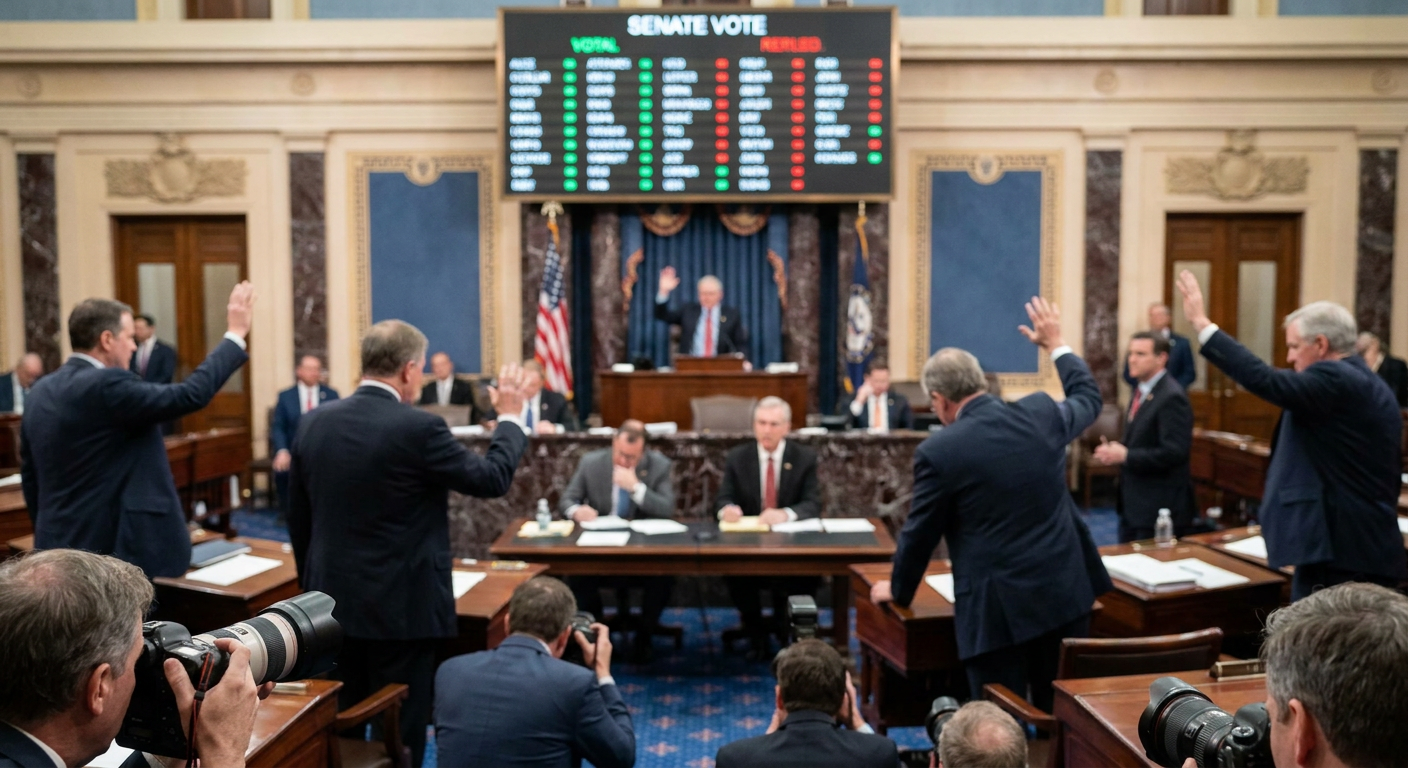
The U.S. Senate passed a bipartisan infrastructure bill aimed at accelerating the federal approval process for energy and construction projects. Known as the Bipartisan American Affordability and Jobs Act (BAAJA), the legislation is now moving to the House of Representatives for consideration before the current congressional term ends on January 3.
The nearly 500-page bill was introduced in late September and bypassed the traditional committee markup process, which typically includes public hearings and line-by-line rewrites. Supporters, including energy companies, big tech firms, and certain labor groups, argue the current permitting system is inefficient and delays necessary upgrades to the national power grid. Critics, including tribal organizations and environmental groups, contend the bill was rushed through the Senate following the November midterm elections without sufficient debate or consultation with affected parties.
The legislation passed the Senate with a 62-33 vote after only one amendment was added. If it becomes law, the bill would set timelines for agencies to reach a decision on federal permits for projects ranging from wind turbines to data centers. It also includes provisions requiring data centers to cover their own energy costs and measures that make it more difficult for courts or future administrations to halt or modify projects once a permit has been issued.
The concrete day-to-day change for the public would involve a faster transition in the physical landscape as infrastructure projects move from proposal to construction more quickly. If the bill passes the House and is signed, residents in areas slated for new energy projects or data centers would see these facilities permitted with fewer opportunities for public or legal challenges to stop them. Additionally, the requirement for data centers to pay their own energy costs is intended to shift those specific infrastructure expenses away from general utility ratepayers.
The bill narrows the window for judicial review and limits the ability of future presidential administrations to overturn previous permit approvals. This could lead to a shift in how the federal government interacts with local communities and tribes regarding land use. The House of Representatives could vote on the measure in the days following Thanksgiving. President Trump has stated he will sign the legislation if it reaches his desk before the January 3 adjournment.