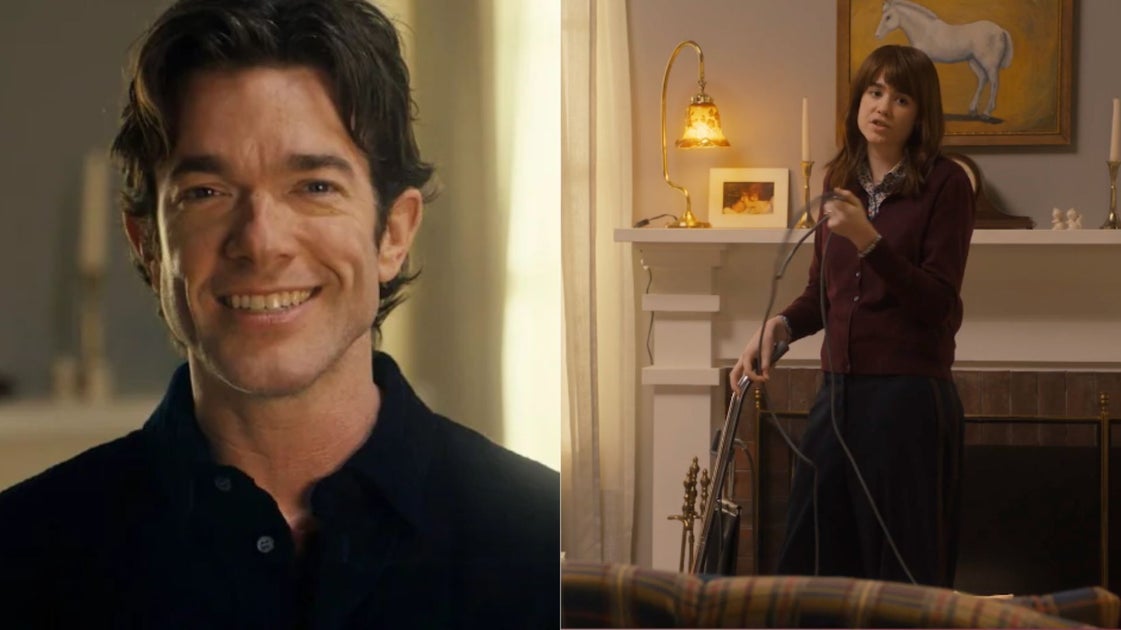
The television program "Saturday Night Live" (SNL) aired a parody advertisement titled "Sister" on the night of November 14, 2026, portraying a dynamic in which daughters are expected to manage the primary care of aging parents. The sketch features host John Mulaney and cast members Kenan Thompson and Andrew Dismukes as brothers who rely on their sister, played by Jane Wickline, to handle medical needs and household tasks. Since its broadcast, the video received more than 2.4 million views on YouTube within a day.
The production was written by Mikey Day, Streeter Seidell, Simon Rich, and Chase Rosenberg. The sketch presents "Sister" as a pharmaceutical product that requires no paperwork or fees, suggesting the character would "quit her job, break her lease, and move halfway across the country" upon receiving a text message that a parent has fallen. It includes a narrator who states that the arrangement is possible because "internalized sexism" leads families to assume elder care is a woman's responsibility.
Social media users and mental health professionals have commented on the sketch’s depiction of familial roles. Psychotherapist Kim Hertz stated the segment captured how caregiving often defaults to women without discussion. Jennifer Chappell Marsh, a marriage and family therapist, noted that the humor highlights the "invisible emotional and mental labor" of coordinating healthcare and daily needs, which often remains unnoticed by siblings who are not performing the tasks.
This segment addresses a documented social trend concerning the distribution of labor among adult children, specifically affecting daughters and eldest sisters who balance professional lives with parental care. According to the sketch and subsequent commentary by therapists, these individuals often face significant changes to their day-to-day lives, including the management of sodium levels, insurance coordination, and physical safety monitoring for elderly parents. For the women represented by the "Sister" archetype, this labor can lead to the sacrifice of personal well-being, while brothers or other siblings may continue their routines without assuming a proportional share of the burden.
The scale of the impact is reflected in the more than 2.4 million people who viewed the clip within 24 hours of its release, many of whom shared personal accounts of living 1,500 miles away or moving to manage a parent's dental and medical appointments. A therapist noted that the "financial burdens" and "physical demands" are compounded by the psychological weight of anticipating needs. In practical terms, this means a sister might be "deep cleaning" a house that she will eventually split 50-50 in a will with siblings who did not contribute to the caretaking, a specific detail highlighted in the sketch’s dialogue.
This public conversation sets a precedent for how families might re-evaluate caregiving responsibilities. Therapists such as Marsh suggest that instead of asking how to help—which places the burden of delegation on the primary caregiver—siblings should take initiative in researching medications and managing phone calls. While no specific legislation or court dates are tied to this cultural event, the high engagement suggests continued debate over gender roles in elder care. Future family discussions may be influenced by these therapists' recommendations for sisters to set boundaries and for other siblings to recognize behind-the-scenes labor as parents continue to age.