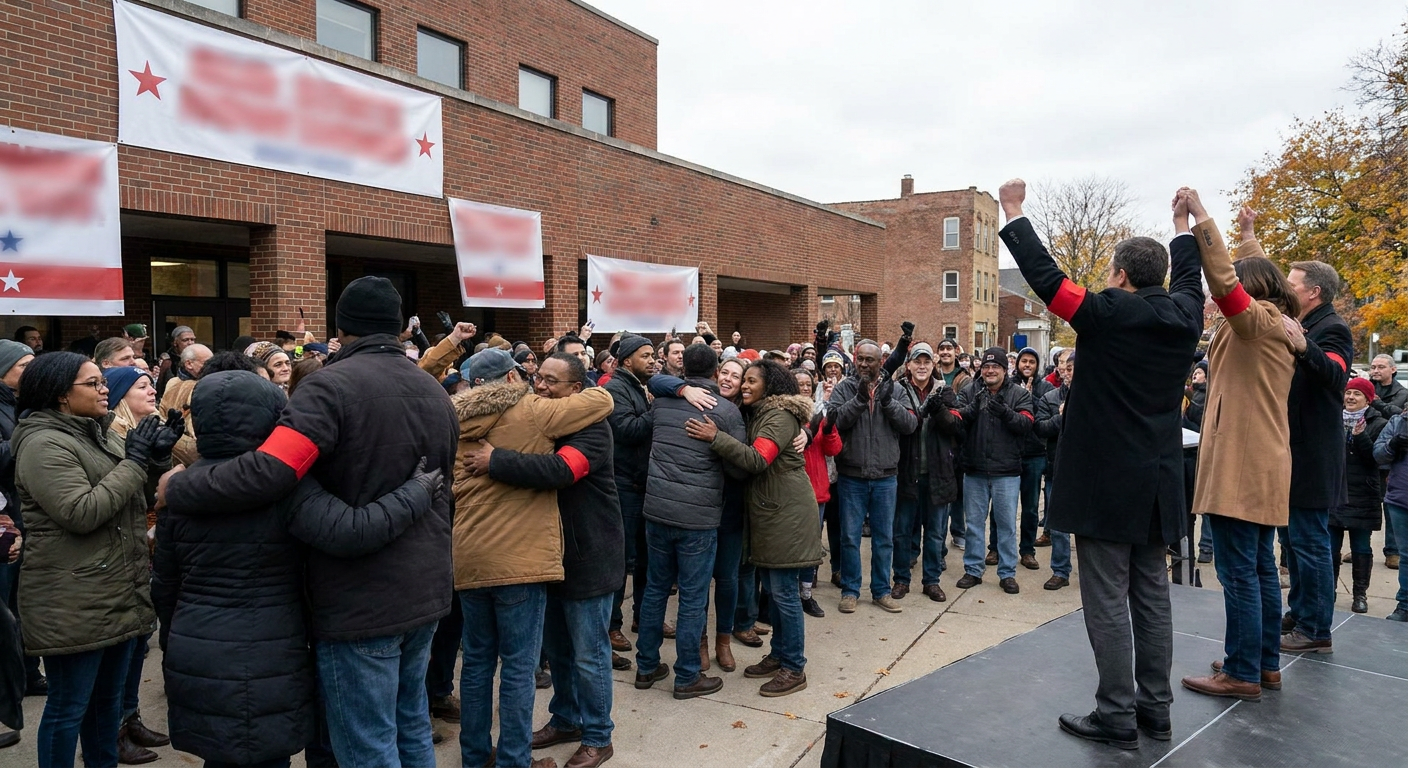
Candidates identifying as socialists won several high-profile offices in the November 2026 midterm elections, including six seats in the U.S. Congress and three mayorships. According to historian Jill Lepore, cities including New York, Los Angeles, Washington, D.C., Seattle, Ann Arbor, and Providence are now led by socialists. Lepore, a professor at Harvard University and writer for The New Yorker, stated that the movement is no longer "beyond the political pale."
The current resurgence follows a history of American socialism dating back to the founding of the Socialist Party of America in 1901. During the Progressive Era, socialists advocated for policies such as the abolition of child labor, the minimum wage, and old-age pensions. The movement reached a previous peak in 1912, after which many of its labor and social welfare goals were eventually adopted by the Democratic Party, particularly during the New Deal era.
Recent electoral successes have highlighted internal disagreements over policy within the Democratic Socialists of America (DSA). During a July 2026 interview on "Fox News Sunday," DSA co-chair Megan Romer confirmed that the national platform includes long-term goals such as abolishing the Senate, replacing the presidency and Supreme Court, and government ownership of most large corporations. Romer also affirmed positions to abolish ICE and borders, amnesty for undocumented immigrants, and defunding the Pentagon.
In contrast, local leaders like New York City Mayor Zohran Mamdani, who is a member of the DSA, have distanced themselves from the more radical elements of the national platform. In a recent interview, Mamdani stated he does not support abolishing borders, the Supreme Court, or jails. Instead, he emphasized practical policies such as universal pre-K, streamlining affordable housing, and public services like filling potholes. Mamdani argued that the movement is united by a belief in the dignity of working-class people rather than total agreement on every platform item.
The scale of this shift is reflected in the six congressional seats won by socialists and the administrative control of cities like Ann Arbor and Providence. For the average household, this may manifest as a push for expanded social programs like Medicare for All, which Lepore reports is supported by two-thirds of Americans. However, the concrete impact on federal law remains limited by the small number of socialist representatives in the 535-member Congress and the internal policy divisions between national DSA leadership and local officials.
The movement’s success suggests that traditional political labels are changing in their effectiveness. Lepore noted that Republican efforts to use "socialist" as a derogatory label largely failed in the 2026 cycle. This sets a precedent where candidates can openly embrace the socialist label while campaigning on popular economic issues like housing and healthcare. What happens next depends on the performance of these new officeholders and whether the national DSA can reconcile its long-term goals, such as Senate abolition, with the incremental legislative work favored by its successful candidates.