The Plain Record

Neutral daily news — clear headlines, complete facts.

National

Southwest Storms Raise Lake Powell Water Levels Following Record Lows

Storms in late October and early November raised Lake Powell more than 20 feet, though the reservoir remains only about one-quarter full.

Published November 8, 2026 at 12:31 PM EST

The short answer

Storms in late October and early November raised Lake Powell more than 20 feet, though the reservoir remains only about one-quarter full. Recent storms in late October and early November have caused water levels at Lake Powell and other Southwest reservoirs to rise, following record lows reached during a multi-year drought.

Southwest Storms Raise Lake Powell Water Levels Following Record Lows

The Facts

Who
U.S. Bureau of Reclamation and University of Colorado hydrologists
What
Southwest reservoirs rise after autumn storms
When
Late October and early November 2026
Where
Arizona, Utah, and Colorado
Why
Recent heavy rains and El Niño patterns provided an unexpected boost to water supplies following a megadrought and low winter snowpack.

Recent storms in late October and early November have caused water levels at Lake Powell and other Southwest reservoirs to rise, following record lows reached during a multi-year drought. According to the U.S. Bureau of Reclamation and climate scientist Martin Hoerling, Lake Powell has risen more than 20 feet from its mid-September low. While the storms caused local flooding and forced hundreds of evacuations, hydrologists stated the runoff will recharge depleted lakes and underground aquifers.

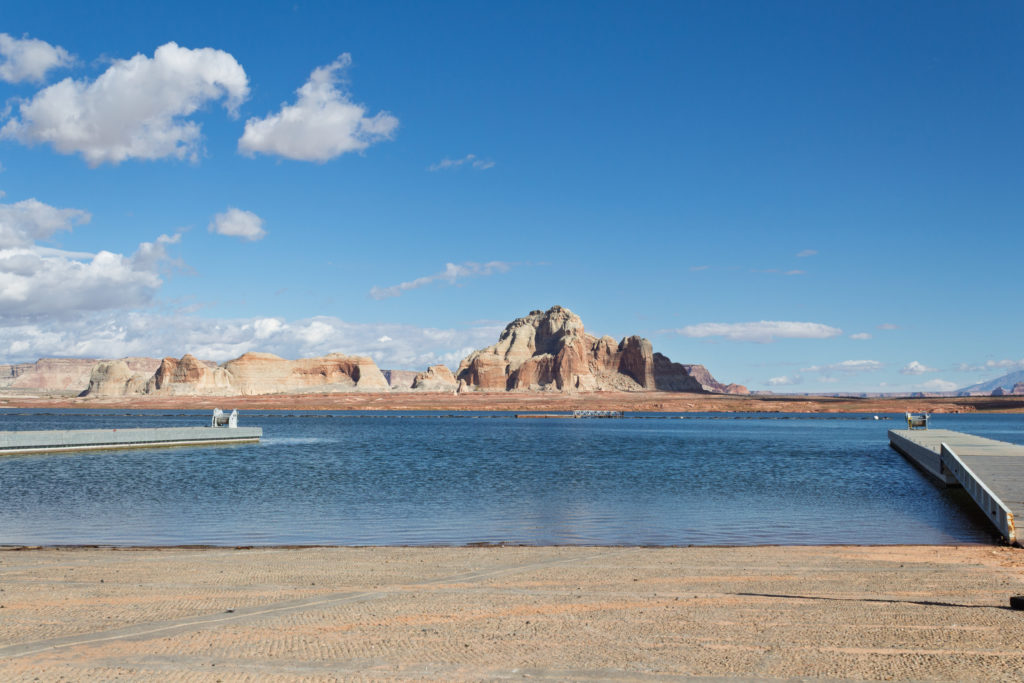
The region had previously experienced a winter with low snowfall, which failed to provide the typical spring and summer water recharge. Experts attribute the recent heavy rains to the El Niño climate phenomenon, which is expected to continue affecting weather patterns for several months. Despite the recent gains, Lake Powell remained just over 25% full as of Friday, November 6, and 15 of its 17 boat launches were still unusable.

Specific local water supplies also saw significant increases. Upper Lake Mary, which provides up to 40% of the water for Flagstaff, Arizona, received over 3 billion gallons since early October. In Pagosa Springs, Colorado, town manager David Harris reported that 7 inches of rain allowed for the lifting of water restrictions that had affected more than 10,000 residents. In central Arizona, water managers released water from two nearly full dams into the Verde River to accommodate the influx.

For residents in affected areas, the immediate change is reflected in the lifting of local water restrictions, such as those in Pagosa Springs where restaurants are no longer encouraged to serve water only upon request. However, larger legal and regulatory shifts continue; Arizona, Nevada, and California are currently operating under a federal plan to reduce collective water use by 1.25 million acre-feet annually over the next two years. The scale of these cuts—equivalent to 600,000 Olympic-sized swimming pools—illustrates the ongoing gap between recent rainfall and total system requirements.

The knock-on effects include legal challenges, as Arizona and Nevada are contesting the federal water-sharing plan in court. Additionally, some Arizona cities are now funding preliminary work to expand a dam on the Verde River to better capture future storm runoff and reduce reliance on the Colorado River. The U.S. Bureau of Reclamation stated it will not make final decisions on adjusted water releases from Lake Powell until snowpack peaks, a milestone typically reached in April.

Timeline of what happened

Key dates and decisions, in the order they occurred.

  1. September 15, 2026

    Lake Powell hits historic low level

  2. October 1, 2026

    Storms begin dumping rain around Pagosa Springs and Flagstaff

  3. November 4, 2026

    National Park Service photographs floating auxiliary ramp at Lake Powell

  4. November 6, 2026

    Report shows 15 of 17 boat launches remain unusable

  5. November 8, 2026

    Hydrologists report Lake Powell rise of over 20 feet from September low

Summaries are written by The Plain Record to state the facts of a story plainly and without political slant. Drafted with AI assistance and checked against the source record before publication. See how we report, or report a correction.

← Back to the front page

Questions readers ask

What happened: Southwest Storms Raise Lake Powell Water Levels Following Record Lows?

Recent storms in late October and early November have caused water levels at Lake Powell and other Southwest reservoirs to rise, following record lows reached during a multi-year drought. According to the U.S. Bureau of Reclamation and climate scientist Martin Hoerling, Lake Powell has risen more than 20 feet from its mid-September low.

Who is involved?

U.S. Bureau of Reclamation and University of Colorado hydrologists

When did this happen?

Late October and early November 2026

Where did this happen?

Arizona, Utah, and Colorado

Why does this matter?

Recent heavy rains and El Niño patterns provided an unexpected boost to water supplies following a megadrought and low winter snowpack.