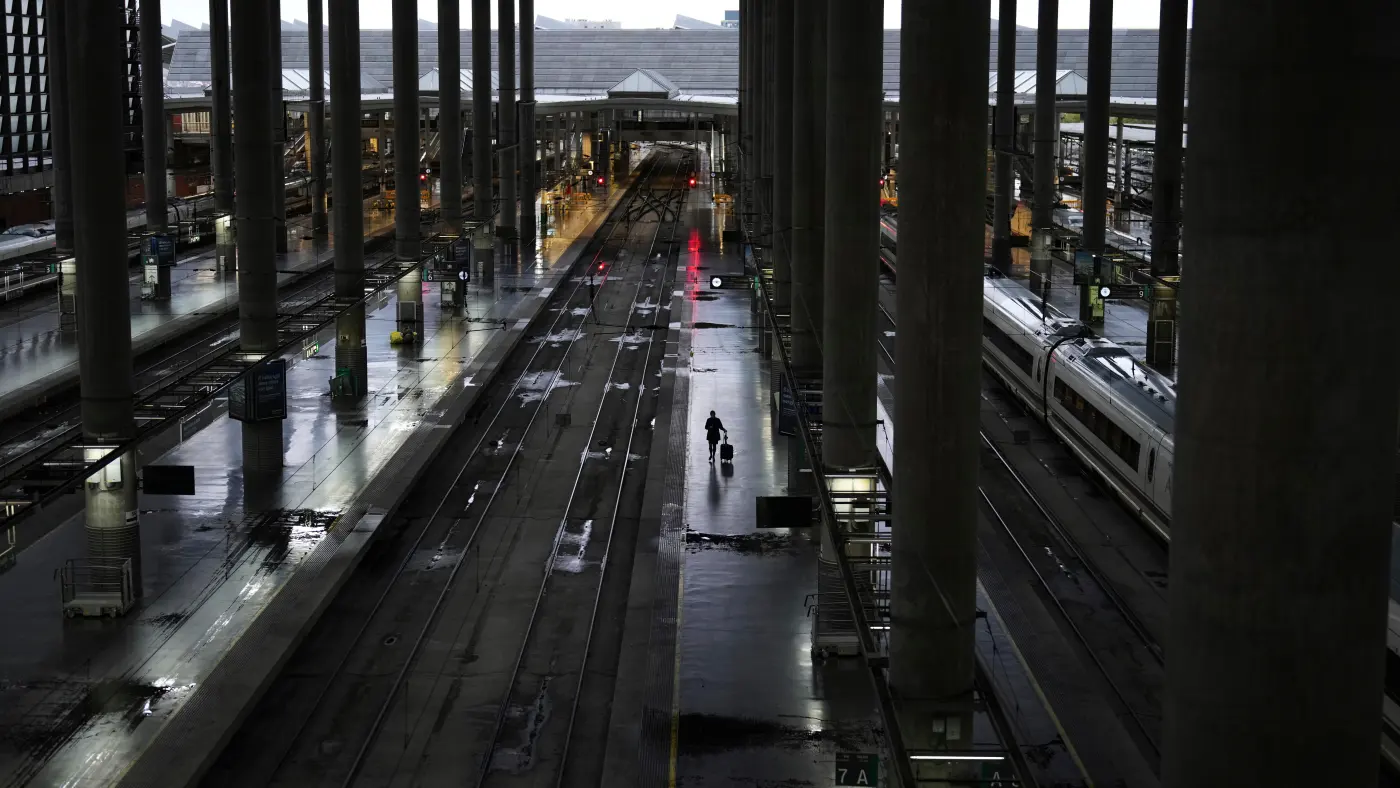
Millions of Spanish workers participated in a nationwide general strike on Wednesday, Nov. 11, 2026, to protest the country's housing costs and demand government intervention. The work stoppage, the first general strike in Spain in 14 years, affected public transportation, manufacturing, and education across the eurozone's fourth-largest economy. The strike occurred less than three weeks before a national election scheduled for later this month.
The strike followed a period of rising public frustration over housing access, as average rents in Spain have nearly doubled over the past decade. Activists and unions cited the recent eviction and subsequent death of an 87-year-old woman in Madrid as a catalyst for the mobilization. While the government of Prime Minister Pedro Sánchez attempted to pass emergency tenant protections last month, the measures were blocked in Parliament by right-wing parties who argued they would decrease the supply of rental properties.
Two major unions, UGT and CCOO, reported significant participation rates, including 90% in the automotive and port sectors and 75% in the energy sector. In Barcelona, protesters used burning tires to block roads, and in Madrid, scuffles occurred between picketers and police near a wholesale market. Union leaders and housing activists are calling for the elimination of tourist apartments, a crackdown on real estate speculation, and the establishment of a new minimum wage agreement.
The mobilization carries high political stakes for the upcoming national election. Prime Minister Pedro Sánchez and his left-wing coalition partners, such as Sumar, are using the strike to refocus their campaign on social issues like housing following a deadly rail collision that killed 69 people earlier this year. Conversely, the conservative Popular Party and the far-right Vox party have characterized the walkout as an "electoral strike" designed to favor the incumbent government, arguing instead for market-based solutions such as incentivizing new construction.
What happens next: On Thursday, Nov. 12, the Spanish government will attempt to have a reduced interim Parliament ratify two housing decrees that were previously rejected by the full lower chamber. The outcome of these votes and the public's reaction to the strike's conduct will likely influence the final weeks of the election campaign. While unions and the Left seek to maintain momentum for housing reform, right-wing parties have indicated that any violence or property damage during the protests would be used as evidence of a need for a change in leadership to restore order.