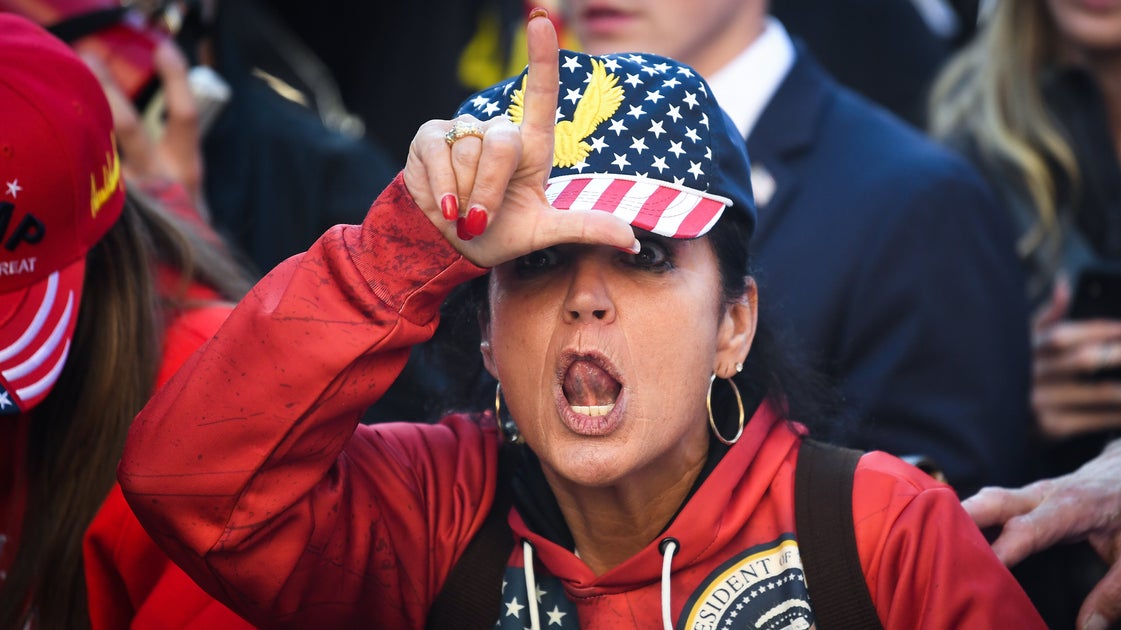
Researchers from Washington University and Seattle University conducted a series of experiments to identify which emotions drive political shifts when individuals feel threatened. The findings, published in a study co-authored by associate professor Alan Lambert and researcher Fade Eadeh, indicate that anger, rather than fear, is the primary driver behind shifts toward conservative-leaning "hawkish" positions following external threats like terrorism.
The study aimed to test conventional theories in social and political psychology which suggest that fear causes voters to lean right during times of crisis. As a historical example, the researchers noted that after the September 11 terrorist attacks, national polls showed a 39-point increase in approval for President George W. Bush to a 90% rating. During that period, there was increased public support for conservative-leaning security policies, such as the Patriot Act, which expanded federal surveillance and law enforcement powers.
To test their hypothesis, Lambert and Eadeh conducted three experiments involving more than 2,000 participants. In one experiment, participants were presented with fictional politicians who held either "hawkish" conservative or "dovish" liberal positions. Those who were reminded of past terrorist attacks showed greater support for the hawkish candidates, regardless of whether the politician was labeled a Republican or a Democrat. The researchers reported that these shifts were specific to the threat; for example, anger about terrorism increased support for military action but did not change views on unrelated issues like abortion or corporate power.
For the average citizen, these findings describe a concrete psychological mechanism that can affect how they perceive candidates and policies during times of heightened national tension. Rather than a general shift in ideology, the change is specific to the issue causing the anger. For instance, a voter might notice themselves supporting more aggressive military spending or law enforcement measures immediately following a threat, while their views on domestic taxes or social rights remain unchanged. This suggests that the impact is targeted at specific policy areas rather than a wholesale change in party affiliation for every voter.
The researchers noted that these findings provide context for recent elections, including the support for Donald Trump in 2016 and 2024. Lambert stated that anger toward Democrats was a significant driver for conservative voters in those cycles. As for what happens next, Lambert plans to conduct future studies to explore whether certain threats cause individuals to become more entrenched in their existing beliefs—making liberals more liberal and conservatives more conservative—rather than shifting them toward a different ideological pole. Dates for these future studies were not reported.