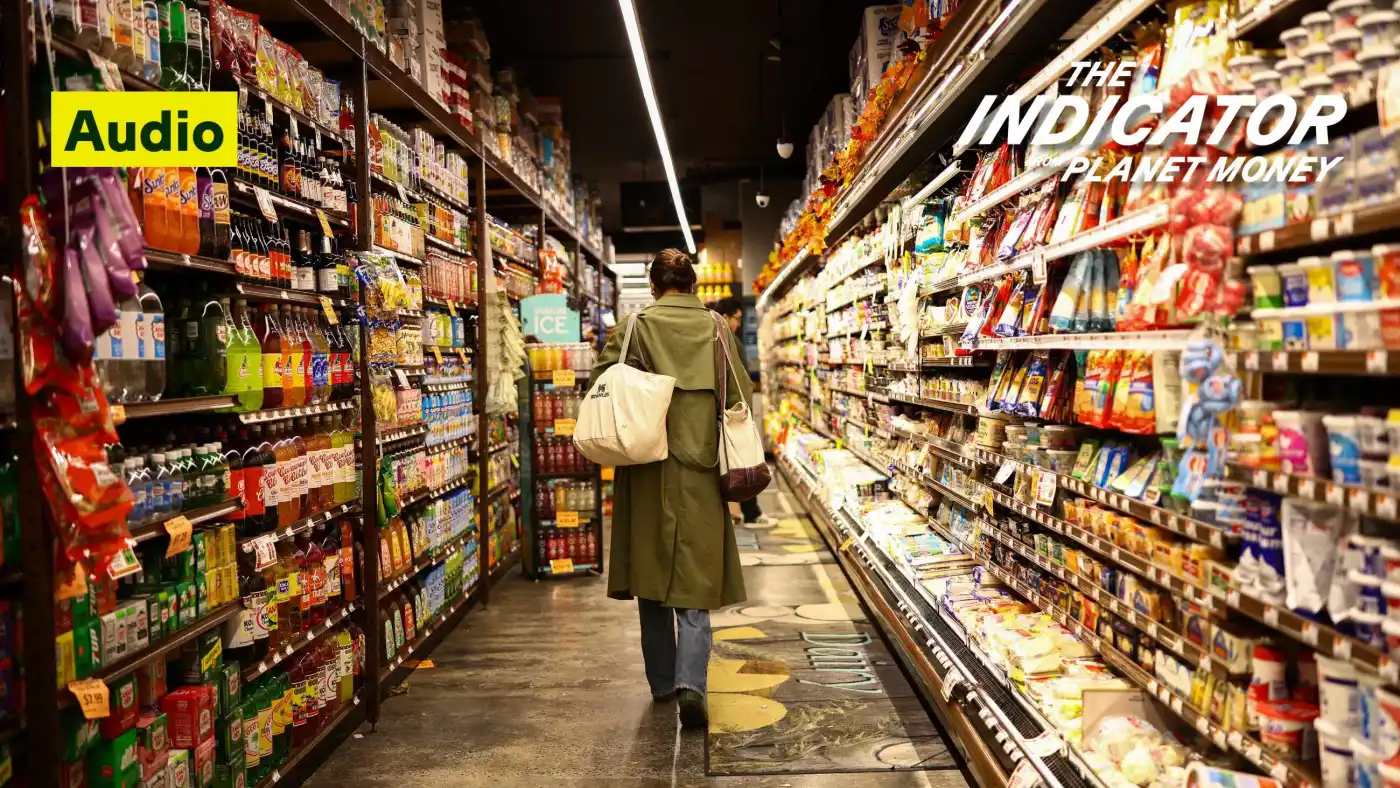
Research published by economists Alberto Cavallo of Harvard Business School and a colleague from the Bank of Canada indicates that prices for budget-friendly grocery brands have risen at a faster rate than premium name brands since the start of the COVID-19 pandemic. The researchers termed this phenomenon "cheapflation," noting that it creates a disparity in how different income groups experience inflation.
The study analyzed price data for more than 2 million products across 10 countries, including the United States, Argentina, and the Netherlands, covering the period from 2018 through May 2024. While the researchers initially sought to investigate "shrinkflation"—the practice of reducing package sizes while maintaining the same price—they reported finding no meaningful evidence of that trend in their data set. Instead, they found a significant gap in price increases based on product tier.
In the United States, the prices for cheaper food and beverage varieties rose by 30% between January 2020 and May 2024. During that same period, premium versions of the same products increased by 22%. The disparity was more pronounced in other nations; in Italy, budget items rose nearly 30% while premium products increased by 15%. Maria Ronin, a food blogger, noted that staples such as canned corn, which previously cost 33 cents, now frequently sell for nearly a dollar even for store brands.
The concrete day-to-day change for households is a reduction in purchasing power that may not be fully captured by aggregate inflation statistics. Cavallo stated that for many low-income households, the higher cost of budget goods likely erased the financial benefits of government stimulus payments and subsidies provided during the pandemic. A shopper would notice this most clearly at the grocery checkout, where store-brand alternatives no longer provide the level of price relief they once did, leading to what economists call "utility cost" when consumers are forced to abandon preferred brands or items entirely.
The knock-on effect of cheapflation suggests that government policies designed to assist lower-income groups may be less effective than intended if they do not account for the specific inflation rates of budget-tier goods. The researchers attributed the price surge to two primary factors: increased demand as more shoppers "trade down" to budget brands, and slim profit margins that force budget-brand manufacturers to pass on rising costs, such as tariffs, more quickly than premium manufacturers. Moving forward, affordability remains a top issue for U.S. voters following the recent midterm elections, though the report noted that some specific items, such as eggs, have recently seen price declines.