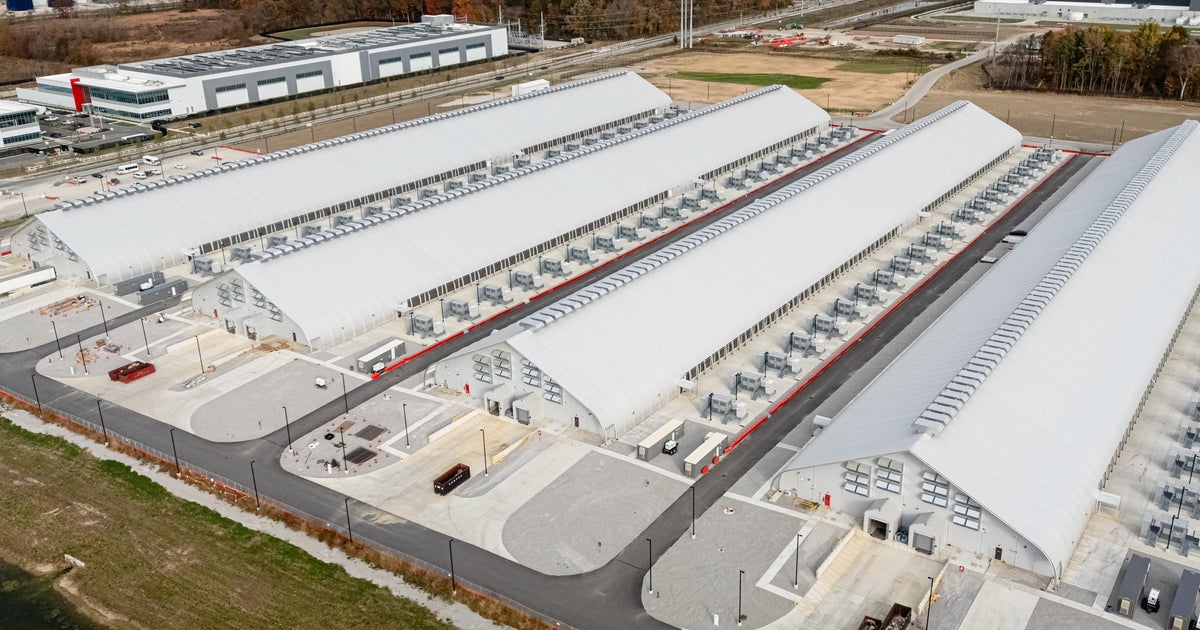
A study published in the journal Nature Energy found that the expansion of artificial intelligence (AI) data centers between 2020 and 2025 led to increased energy costs, with lower-income and rural households bearing a larger share of the financial burden than the centers themselves. The research, conducted by Cornell University, analyzed energy demand and infrastructure projects across four major U.S. power grids. It concluded that existing cost-allocation formulas often charge residential consumers for new infrastructure required by data centers before those centers begin operating.
The study analyzed data from 4,000 existing and proposed data centers, finding that their presence raised wholesale power prices—the rates at which utilities buy electricity in bulk—especially on grids that were already strained. In 2025, researchers estimated that data centers raised wholesale energy prices by nearly 20% in California's southern Bay Area and approximately 17% in the Dallas-Fort Worth area. In contrast, regions with fewer data centers, such as New York, did not see significant changes in wholesale pricing.
According to the report, total spending on transmission infrastructure across the four grids rose from $2 billion in 2020 to $34.2 billion in 2025. Last year, data centers were responsible for $8.25 billion of those infrastructure costs, while residential users accounted for just under $3.5 billion. However, due to current billing structures, residential users were billed more than $16 billion for these upgrades, while data centers were billed approximately $3 billion.
For a typical household, these findings mean that a portion of their monthly utility bill is dedicated to regional grid upgrades that support commercial data centers. Fengqi You, one of the study's authors, stated that because data centers require infrastructure expansion before they start consuming energy, current policies often default to charging existing customers for that development. The study reported that residents of rural areas often pay for these financial loads even if they live far from the metropolitan hubs where the centers are located.
The study suggested that policymakers review these regional energy-sharing policies to address the imbalance. Proposed solutions include requiring data centers to reduce energy use during peak hours or paying states directly for the new demand they add to the grid. While the study aims to inform legislative debates regarding data center regulation following the midterm elections, no specific federal or state implementation deadlines were reported. The researchers stated their goal is to ensure the data center sector pays for the upgrades it requires rather than passing those costs to low-income households.