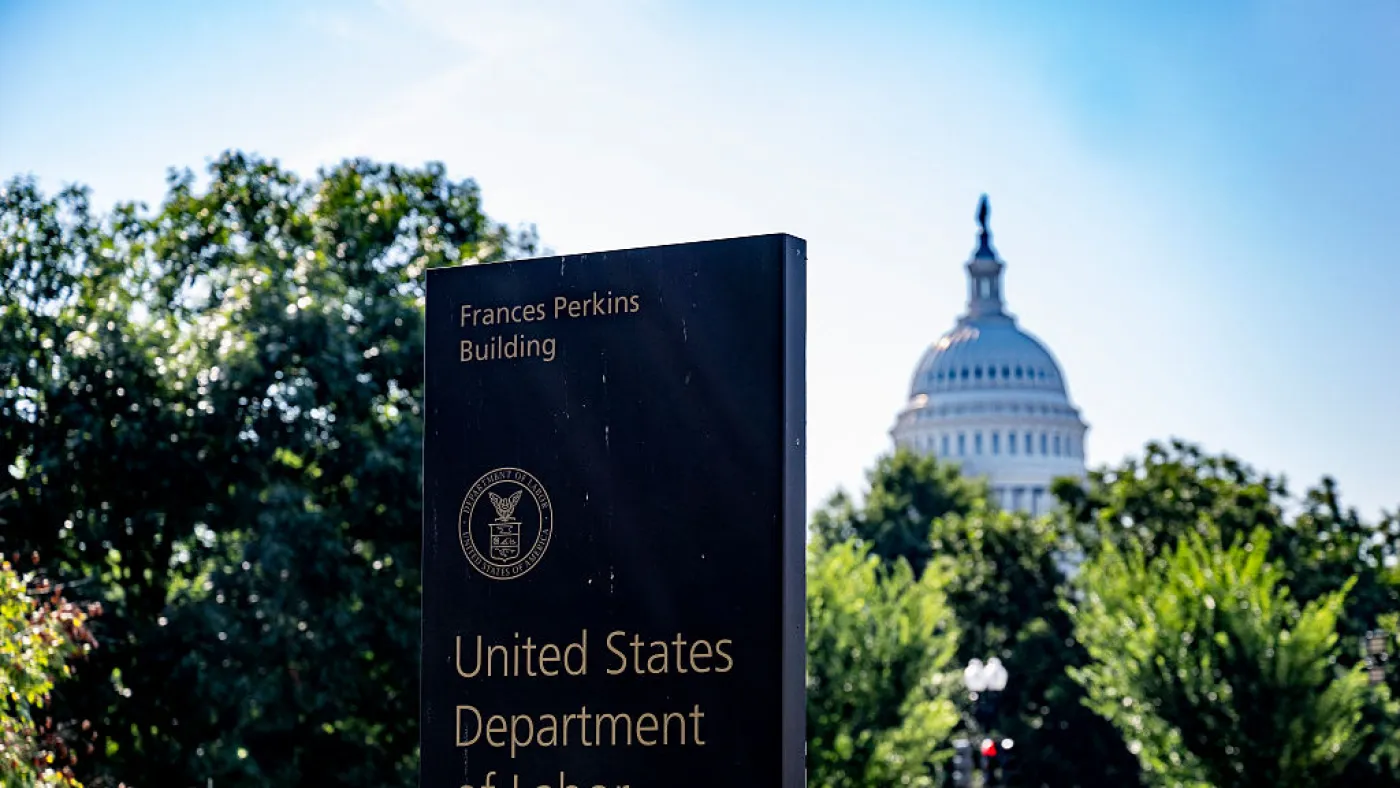
The U.S. Supreme Court heard oral arguments on Tuesday in a case challenging the Department of Labor's authority to impose fines through administrative proceedings. Sun Valley Orchards, a New Jersey-based farming company, argues that monetary penalties for labor violations should be decided by federal courts rather than executive branch agencies. The company contends the current system violates its right to a jury trial when appealing administrative decisions to a federal court.
The case originated after the Department of Labor fined Sun Valley Orchards $500,000 for multiple violations related to a federal immigration program for temporary migrant workers. The agency reported finding unsanitary conditions at the orchard, including unsafe drinking water, 20-person bunk rooms, broken sinks, and a failure to pay promised wages. The federal program requires farm owners to provide housing, meals, and water to ensure foreign workers do not undercut domestic labor standards.
During the hearing, Chief Justice John Roberts suggested that the executive branch may have exceeded its authority by performing roles that belong to the judicial branch. In contrast, Justice Ketanji Brown Jackson questioned whether the company’s argument disregarded Congress's intent to protect domestic workers. Deputy Solicitor General Sarah Harris, representing the government, told the court that requiring all civil penalties to be adjudicated in federal courts would be a "nuclear option" that could disrupt numerous federal programs.
For businesses like Sun Valley Orchards and other employers, a ruling in their favor would shift the legal process for disputing fines from agency hearings to Article III federal courts. The Department of Labor currently uses administrative proceedings to issue penalties, such as the $500,000 fine in this case, for violations of labor and safety standards. A change would grant these entities the right to a jury trial before such monetary penalties are finalized, which the company argues is currently denied during the appeals process.
The knock-on effects could force the administration to seek new legislation from Congress to maintain enforcement capabilities. Harris noted that if the current system is found unconstitutional, many "statutory regimes" would be invalidated, leading to a "mess" in federal oversight. The Supreme Court did not issue a ruling on Tuesday; a decision is expected later in the term.