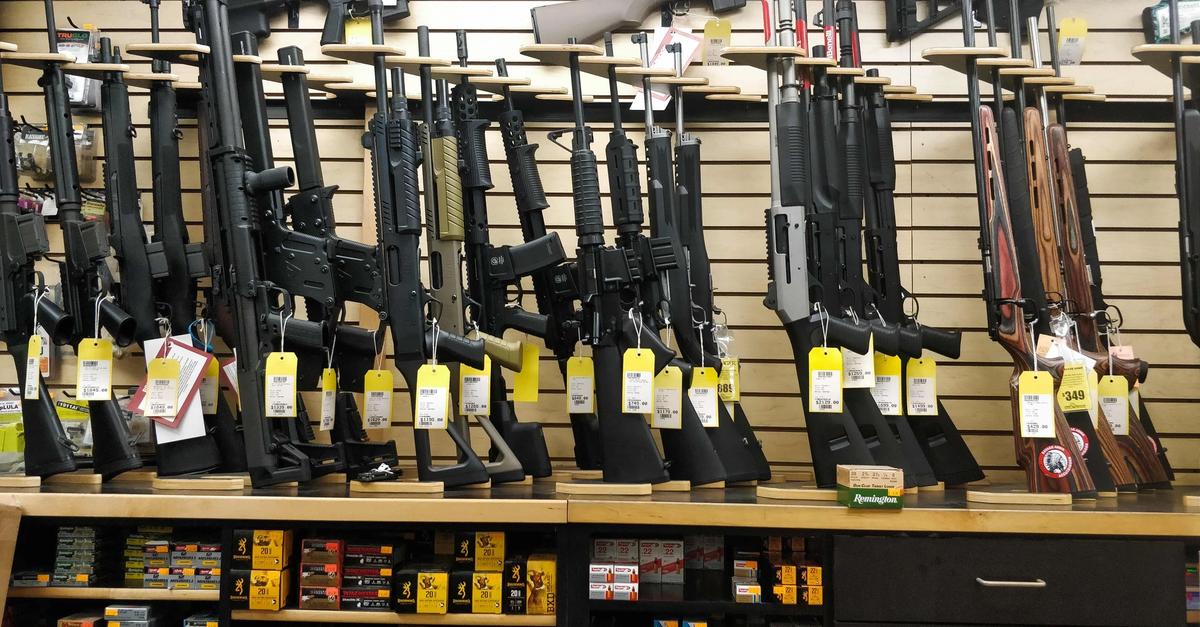
The Supreme Court on Tuesday, Nov. 24, 2026, deferred a decision on whether to dismiss a legal challenge to Cook County, Illinois’ ban on semiautomatic rifles. The court issued a brief, unsigned order stating it would wait until after oral arguments, scheduled for Wednesday, Dec. 2, to rule on a request to declare the case moot—a legal term meaning the dispute is no longer a live controversy.
The request to dismiss the case followed a motion by the lead plaintiff, Cutberto Viramontes, to be removed from the litigation. Viramontes had challenged the constitutionality of the ban since the case was filed in 2021. On Monday, Nov. 23, the justices granted his request to withdraw, though he provided no public explanation for leaving the case.
Cook County officials argued that the dismissal of Viramontes makes the case moot because the remaining individual challenger, Christopher Khaya, expressed interest in an IMI Galil rifle, which the county claims is not an AR-15-style rifle covered by the current legal question. Lawyers for the challengers countered that the case applies to similar semiautomatic rifles and stated that Khaya would also acquire an AR-15 if it were legal. The court cited its 2023 precedent in *Acheson Hotels, LLC v. Laufer* as a reason for deferring the decision.
A ruling against the bans would change the legal rights of individuals in states where they are currently prohibited. Conversely, a decision to dismiss the Cook County case for mootness would delay a resolution on this specific local law, though the court is still scheduled to hear a simultaneous challenge regarding Connecticut's statewide ban on similar firearms.
The court’s decision could also affect related regulations. While the current cases focus specifically on firearm platforms, the legal analysis used by the justices may influence the status of magazine capacity limits and firearm registration requirements. A final ruling on the constitutionality of these bans is expected by June 2027. Following the Dec. 2 oral arguments, the court will determine if a live controversy still exists in the Cook County case and whether the Second Amendment protects the right to possess these specific weapons.