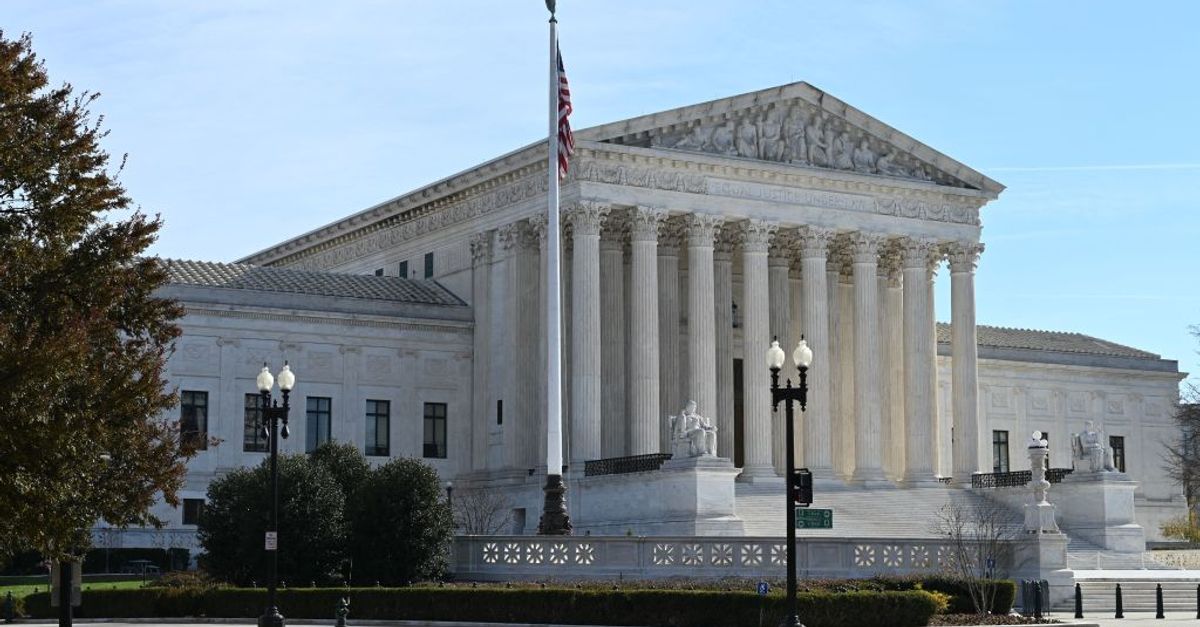
The Supreme Court of the United States will begin its third session of oral arguments for the 2026-27 term on Monday, November 30. The session includes cases addressing firearm restrictions, voter registration requirements, and parental rights regarding medical decisions for children.
This upcoming schedule follows the court's October session, which featured arguments on religious exercise and federal causes of action. In coordination with Good Judgment Inc., SCOTUSblog is maintaining a public forecasting project where participants can predict the outcomes of these cases and compare their results against artificial intelligence models.
Among the cases scheduled is Viramontes v. Cook County, which questions whether ordinances in Illinois and Connecticut banning AR-15 platforms and similar semiautomatic rifles violate the Second and 14th Amendments. Another case, Republican National Committee v. Mi Familia Vota, will determine if Arizona can require "satisfactory evidence" of U.S. citizenship for those using state voter registration forms.
The court will also hear International Partners for Ethical Care, Inc. v. Ferguson on December 7, centered on whether parents have standing to challenge Washington state laws regarding "gender transitions" for children. On December 9, the court is scheduled to hear Department of Homeland Security v. D.V.D., involving policies for "third-country removals," and Grand v. City of University Heights, regarding a permit dispute over religious events held in a private home.
For families in Washington, the court’s decision on standing in the Ferguson case will clarify whether parents have the legal right to sue over state laws that they argue displace their decision-making authority regarding their children’s medical transitions. The Department of Homeland Security case will establish whether federal agency policies for removing individuals to third countries violate the Constitution or federal law.
Participants in the forecasting challenge will receive comparative data against AI models at the end of the term in July 2027. While some cases, such as the religious exercise dispute in St. Mary Catholic Parish v. Roy, have already been argued, forecasters can continue to submit predictions until the day the court issues its final decisions. The court's third argument session concludes on December 9, with opinions expected throughout the remainder of the term.