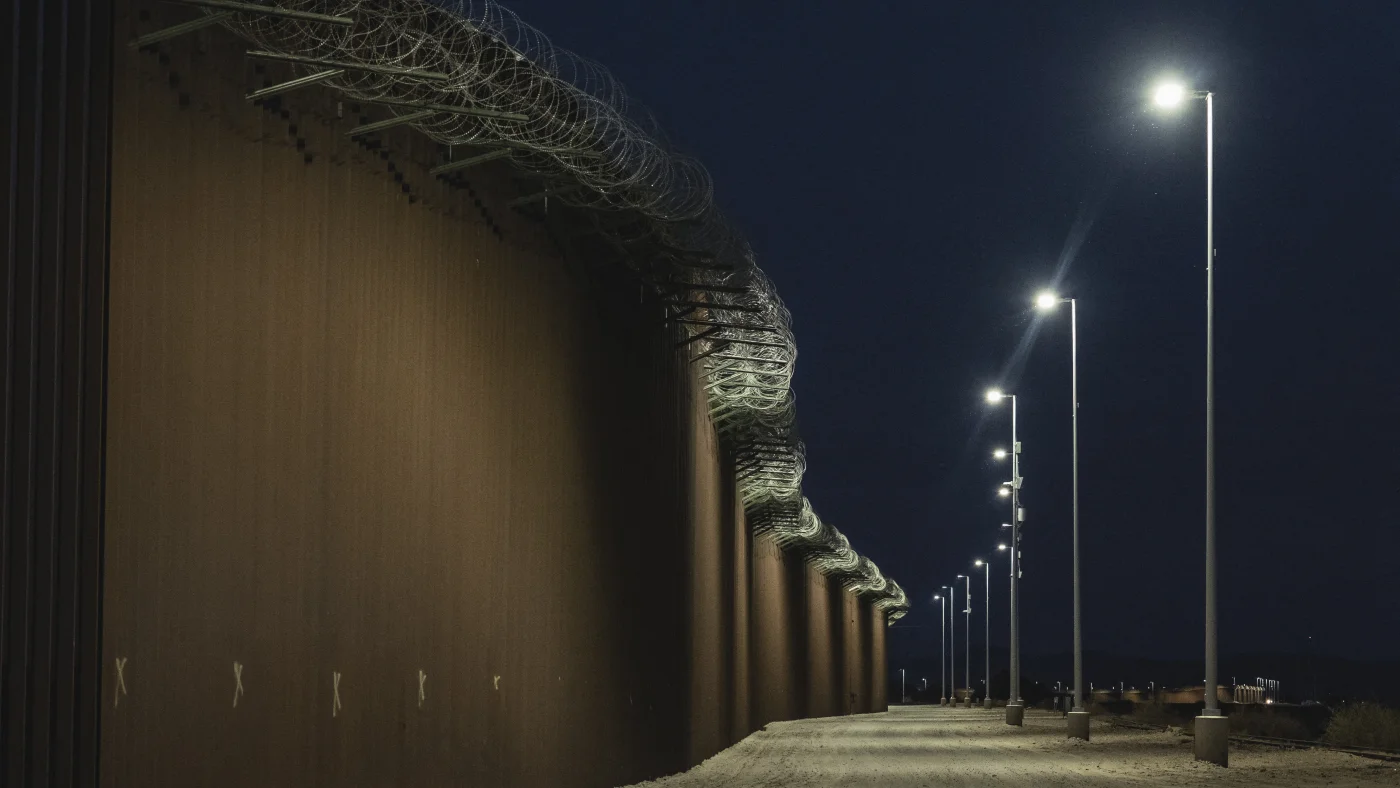
The U.S. Supreme Court is set to review a series of immigration policy changes enacted during President Trump’s second term that have significantly limited access to asylum. The challenges focus on an asylum ban implemented shortly after the president took office, as well as new procedures that allow for the cancellation of pending applications and the deportation of migrants to third countries. Immigrant advocates argue these moves circumvent federal law, while the administration maintains they are necessary to prevent border "invasion" and system abuse.
These policy shifts followed a period of high border activity under the previous administration. According to U.S. Customs and Border Protection data, Southwest border apprehensions reached more than 1.8 million per year under President Biden. Since the implementation of the new policies, apprehensions dropped to fewer than 99,000 in fiscal year 2026, which the agency identified as the lowest level in its history.
The administration has also altered the makeup of the immigration court system. Reports indicate that nearly 40% of immigration judges were fired or resigned during the first year of the current term, with more than 100 experienced judges removed. Critics, including former assistant chief immigration judge Jennifer Peyton, state that many new hires lack immigrant-defense experience and instead come from military or homeland security backgrounds. Additionally, the Executive Office for Immigration Review has issued nearly 60 policy memorandums during this term, compared to 30 issued during the four years of the Biden administration.
For individual migrants, these changes result in a loss of procedural options. Rather than receiving an evidentiary hearing to present facts of a case, many are now subject to summary removals or orders to seek asylum in third countries they have never visited. The administration is also pursuing the authority to indefinitely detain thousands of people currently in deportation proceedings. If the Supreme Court upholds these maneuvers, it sets a precedent that the executive branch can unilaterally suspend asylum access and overhaul the specialized judiciary without new legislation from Congress.
What happens next depends on several upcoming legal milestones. In December 2026, the Supreme Court is scheduled to review the administration’s strategy of deporting immigrants to third countries to have their claims adjudicated there. The court will also weigh in on the legality of the initial asylum ban, which has remained largely in effect despite being rejected by two lower federal courts. These rulings will determine whether the administration can continue to terminate asylum claims based on new guidelines regarding application completeness and third-country eligibility.