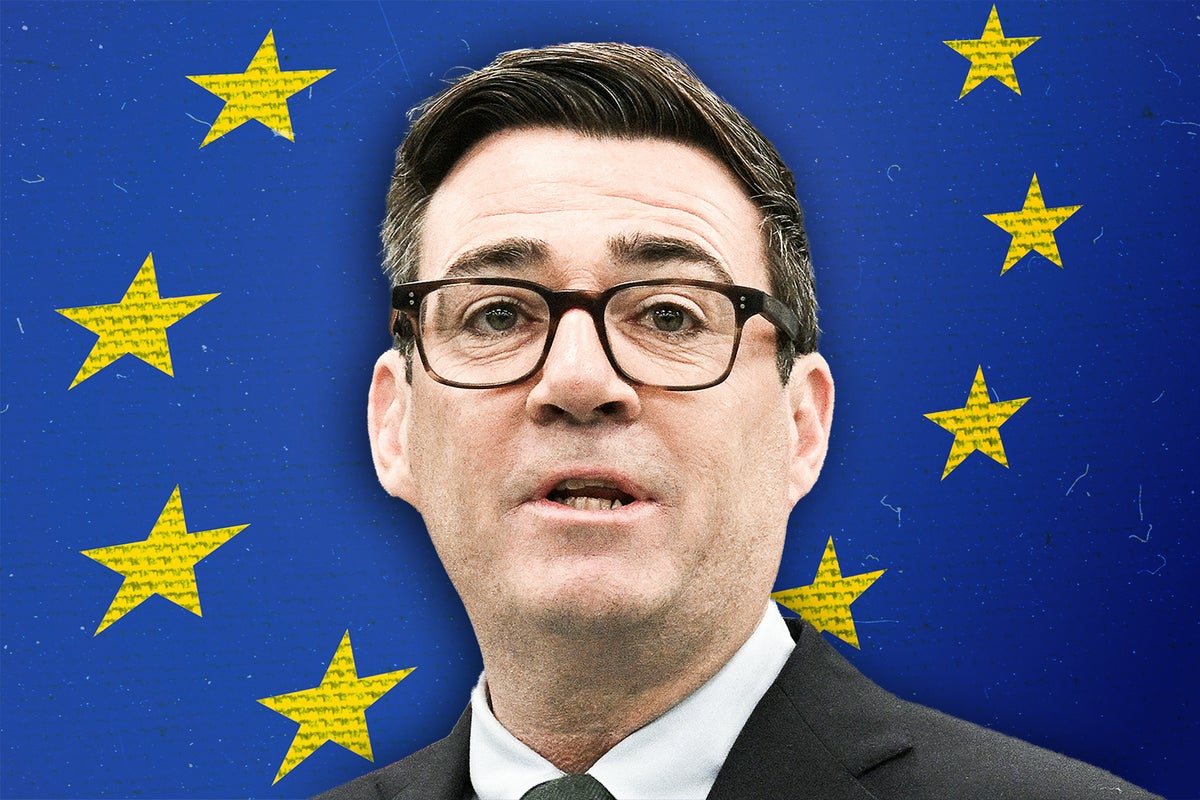
A consultation by the UK Trade and Business Commission (UKTBC) has found that a majority of surveyed British businesses support the United Kingdom rejoining the European Union. According to the report, three-quarters of the participating firms stated that restoring EU membership would have the most positive impact on their operations. The findings were released on Wednesday, November 18, 2026, as Prime Minister Andy Burnham prepared for a summit in Brussels.
The UKTBC, an independent body of experts, business leaders, and cross-party parliamentarians, launched the consultation to evaluate the current trading relationship and potential future options. The research follows years of economic data regarding the impact of the UK's departure from the EU. Researchers at the Centre for European Reform reported earlier this year that agrifood exports fell by 29% and chemicals and pharmaceuticals fell by 21% since the exit. Additionally, Stanford University Professor Nick Bloom estimated that lost trade and increased red tape have reduced the UK’s GDP by up to 8%.
The consultation received nearly 145 responses from various companies, ranging from sole traders to major corporations. One-third of these firms identified the costs of Brexit and border paperwork as their primary concerns. In contrast, only 4% prioritized the UK’s ability to set its own trade policy. Steve Taylor, owner of Winterwood Farms Ltd, told the commission that paperwork delays, which can take a week to process, have forced his company to stop exporting soft fruit to markets like Holland, leading to products being discarded.
In practical terms, the report indicates that businesses are prioritizing the removal of border red tape over the regulatory independence gained through Brexit. This shift suggests that companies may notice continued pressure on profit margins unless new agreements on food standards and emissions trading are finalized. EU diplomats have indicated that while specific deals on youth mobility or emissions are possible, the bloc may decline broader negotiations on long-term relations until the UK government clarifies whether it intends to pursue a full reversal of Brexit.
What happens next: Prime Minister Burnham is scheduled to attend a summit in Brussels on Friday, November 20, 2026. He is expected to seek agreements on food standards, emissions trading, and youth mobility. The UKTBC stated that any future relationship should address the barriers raised by firms to foster growth. However, a specific timeline for a formal vote or a change in membership status was not reported, as the government continues to weigh different long-term options for the UK-EU relationship.