A series of technology outages affecting global commerce and U.S. government infrastructure reached the National Security Agency (NSA) on Tuesday, November 17, 2026. The NSA reported a "temporary degradation" of its network during routine maintenance but stated that its core mission capabilities remained functional. The disruption followed similar incidents over the preceding five days that affected the Federal Aviation Administration (FAA), major banks, and private technology firms.
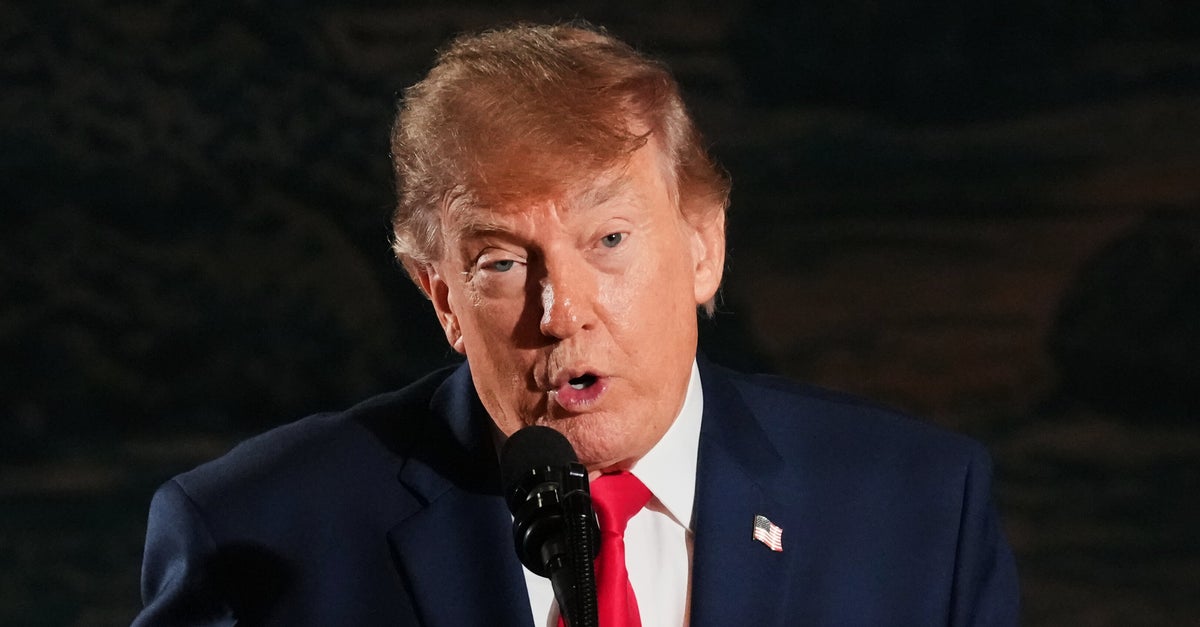
President Donald Trump, speaking from an Association of Southeast Asian Nations meeting in Manila, downplayed the technical issues, stating, "Things like that happen. It's fine." Secretary of State and National Security Adviser Marco Rubio stated there was "zero evidence" that the events were linked to cyberhackers or foreign adversaries. However, some lawmakers, including Sen. Josh Hawley (R-MO) and Sen. Jack Reed (D-RI), requested more information from the administration regarding the frequency of the disruptions.
The timeline of failures began on Thursday, November 12, with a Microsoft email outage, followed by a 4.5-hour FAA ground stop on Friday. On Monday, November 16, United Airlines experienced a tech failure delaying 150 flights, while JPMorgan Chase reported software issues. On Tuesday, Apple reported outages affecting iCloud and Apple Pay due to an internal update. Director of National Intelligence Jay Clayton attributed the NSA issue to patches for a server vulnerability and suggested that system upgrades across various sectors were not performing as expected during handoffs between systems.
The outages have occurred alongside significant workforce reductions in both government and the private sector. The FAA recently underwent job cuts led by Elon Musk following the start of the Trump administration, while United Airlines and Microsoft have also reduced headcount or offered buyouts. While labor organizers like Liz Fong-Jones noted that losing experienced staff can reduce system resilience, officials have not cited job losses as the cause of the recent disruptions.
The scale of these events highlights the interconnectedness of digital infrastructure where a single software update or maintenance patch can trigger cascading failures across critical systems. While Director of National Intelligence Jay Clayton stated there are no signs of a coordinated cyberattack, cybersecurity experts like Cynthia Kaiser noted that AI tools are currently feeding a surge in cyberactivity. The recent NSA outage was specifically linked to a PHP vulnerability discovered last month through AI, a flaw that allows unauthorized users to take remote control of servers. These technical failures test the stability of systems that manage everything from national security data to personal financial transactions.
What happens next depends on the success of ongoing system restorations and the government's response to congressional inquiries. Apple stated on November 17 that it is currently working to restore services for iCloud and Apple Pay. Lawmakers have called on the White House to provide a more detailed explanation of the failures to the public. While the administration maintains that the events are isolated and unrelated, the ongoing modernization efforts at agencies like the FAA remain under scrutiny after Congress previously warned that rapid changes could trigger service interruptions. No specific deadlines for a formal report or further legislative action were provided.