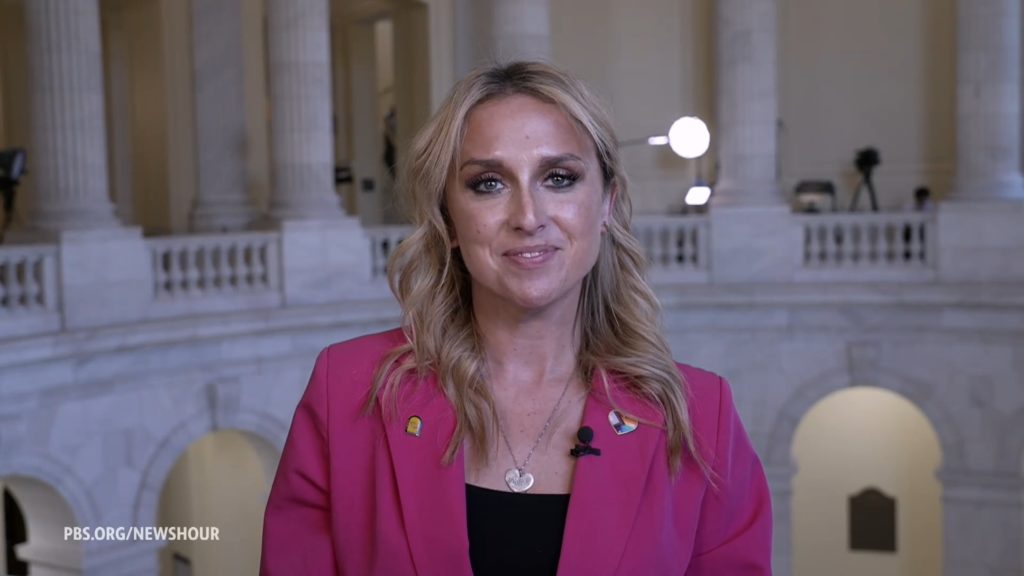
Victoria Broderick, a tech support worker from rural Tennessee, unseated eight-term incumbent Republican Rep. Scott Desjarlais in a congressional district previously won by Donald Trump. Broderick, a Democrat, won the seat despite raising less than $100,000 and receiving no investment from national party organizations. The victory occurred as Democrats prepared to take control of the U.S. House of Representatives following the 2026 midterm elections.
The district was not expected to change party representation according to pre-election projections. Broderick ran a campaign focused on the rural Tennessee region, positioning herself as a newcomer against a long-term incumbent who had served eight terms in the House. Desjarlais had held the seat for 16 years prior to the 2026 contest.
Campaign finance records show Broderick raised less than $100,000 for her entire campaign. Reports also indicate that the national Democratic Party provided zero investment in her race. Broderick discussed the methods she used to win the seat in an interview with PBS News correspondent Liz Landers.
For the residents of this rural district, the change in representation will be noticeable in how their interests are voiced in Washington, D.C., starting when the new Congress is seated. A tech support worker will replace a long-term incumbent, potentially altering the legislative priorities emphasized for the district. The scale of the financial disparity—with a winning campaign costing less than $100,000—sets a data point for how low-budget campaigns can function in districts previously considered safe for the opposing party.
The win contributes to the Democratic Party’s ability to take control of the House. This specific victory provides a seat that was not factored into many national political strategies. Broderick is scheduled to take her seat when the next session of Congress begins. Rep. Desjarlais will conclude his eighth term as the transition takes place.