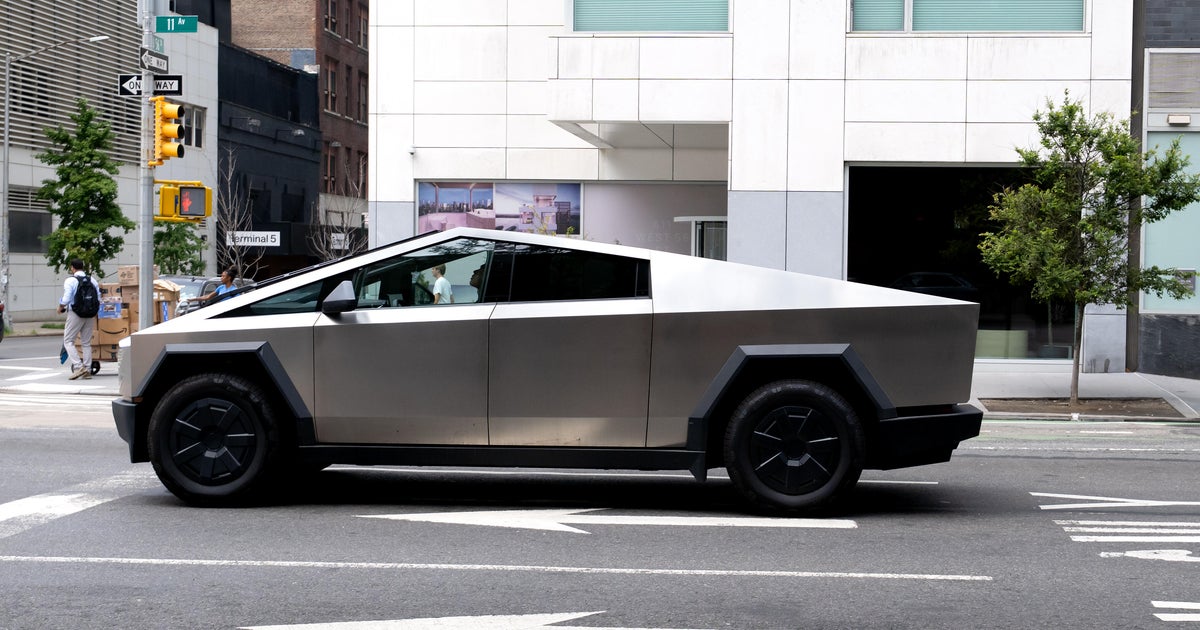
Tesla CEO Elon Musk announced on X on Friday that the company will wind down production of the Cybertruck at its Texas factory by mid-2027. Musk stated the decision was made to make room for increased production of the Cybercab, Tesla’s self-driving taxi.
The Cybertruck was first unveiled in 2019 and entered commercial production in late 2023. While the company marketed the stainless-steel vehicle for its towing capacity and durability, the truck has faced multiple quality issues and recalls since its launch.
According to figures from Kelley Blue Book, Tesla sold 20,237 Cybertrucks in 2025, a decrease from the 38,965 units sold in 2024. These numbers fall below the 250,000 annual sales Musk had predicted. The vehicle originally entered the market with a starting price of $60,990.
Dan Ives, a senior managing director at Yorkville Ives & Co, stated that the shift in production reflects a pivot toward robotics and the "robotaxi era." Tesla began production of the Cybercab, a two-seat vehicle without a steering wheel or pedals, at the Texas plant in April 2026, launching service in Austin in September 2026.
This production shift affects Tesla customers, current Cybertruck owners, and employees at the company’s Texas factory. The transition involves moving resources away from a vehicle that sold approximately 20,000 units in 2025 to a new autonomous taxi platform. For current Cybertruck owners, the end of production by mid-2027 may influence the long-term availability of specialized parts for a vehicle that has already faced numerous recalls for quality issues.
The move marks a change in Tesla’s business strategy, as the company abandons its target of 250,000 annual Cybertruck sales to focus on the Cybercab. Prospective buyers who expected the pickup to remain a staple of the Tesla lineup will instead see the company prioritize a two-seat vehicle designed for autonomous service rather than personal truck utility. This transition is expected to be realized at the Texas facility—the only site currently manufacturing the pickup.
The effects of this decision will likely be felt in the electric truck market and by Tesla’s investors as the company ties its future growth to self-driving technology. The Cybertruck had also become a subject of political demonstration, with some individuals vandalizing the vehicles at dealerships in protest of Musk’s role in the Department of Government Efficiency. Tesla is now attempting to scale its Cybercab service beyond the initial launch in Austin.