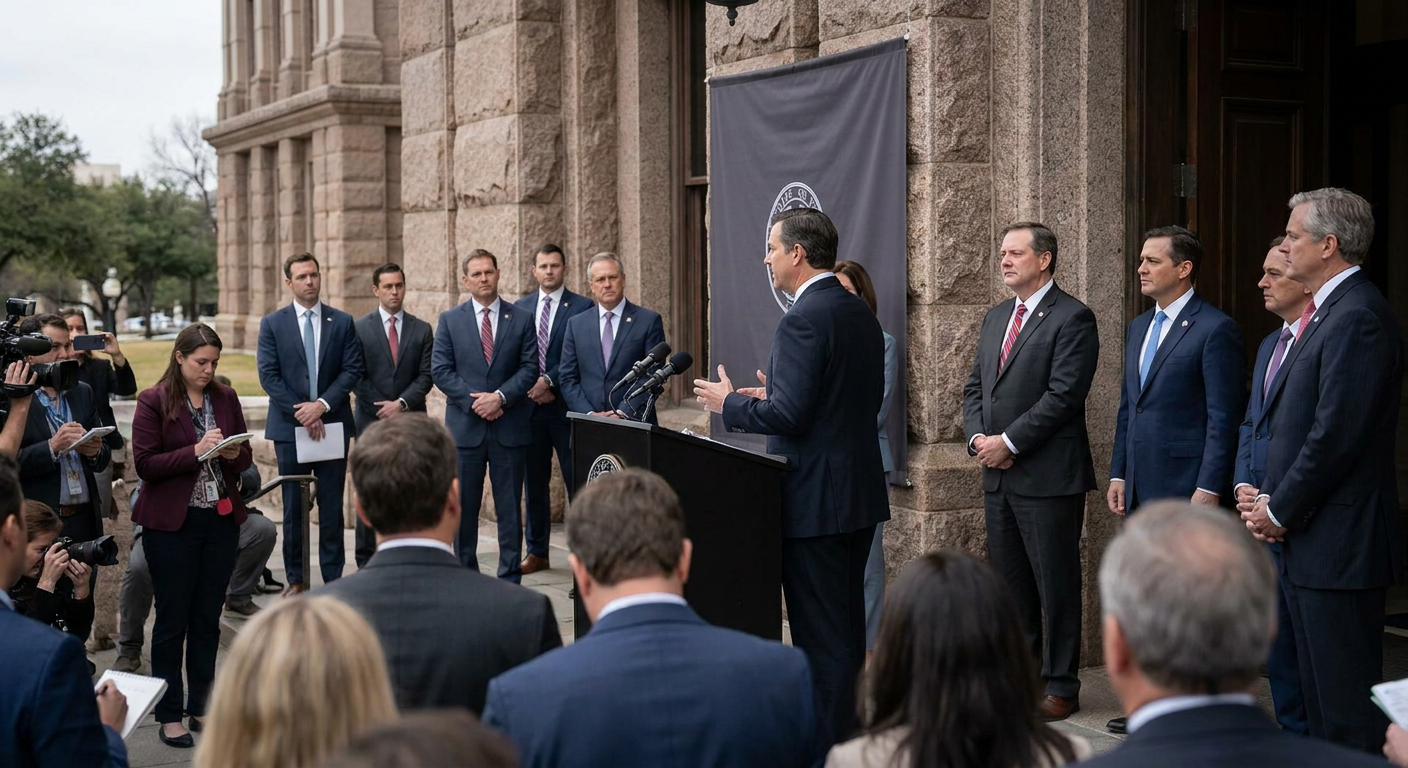
Texas Attorney General-elect Nathan Johnson, a Democrat, is expected to shift the state’s approach to federal litigation when he takes office in January. According to Georgetown University law professor Stephen Vladeck, Johnson has indicated he will abandon Texas’ current positions in several high-profile lawsuits and may drop cases initiated by his Republican predecessors. This marks a change for an office that, for over a decade, has frequently led legal challenges against Democratic presidential administrations and policies in other states.
The Texas Attorney General’s office expanded its national litigation role under former Attorney General Greg Abbott and current Attorney General Ken Paxton. Vladeck noted that the office previously acted as a lead plaintiff in challenges to federal immigration policies, such as the Deferred Action for Childhood Arrivals (DACA) program and the "Remain in Mexico" policy. The office also pursued cases against telehealth provider shield laws in other states and sought to restrict the distribution of the abortion-related drug mifepristone.
Johnson’s election followed a cycle in which Democrats won every statewide race in Texas, ending nearly 30 years of Republican control of those offices. Vladeck stated that the incoming administration might use the office’s resources to challenge the policies of Republican President Donald Trump or to pursue litigation against private entities based in Texas. However, Vladeck noted that federal courts in the Fifth Judicial Circuit remain conservative, which may influence the outcome of future legal disputes involving the state.
For individuals in states with Democratic leadership, the change could reduce the likelihood of Texas-led challenges to their local laws, such as those protecting medical providers. Conversely, the Trump administration and private corporations, including those led by Elon Musk, may face new legal inquiries or lawsuits initiated by the Texas Attorney General’s office. Vladeck suggested that this could lead to "Texas-versus-United States" lawsuits that mirror the litigation tactics previously used against Democratic administrations.
The broader impact includes a potential vacuum in Republican-led nationwide litigation, as other states like Louisiana or Mississippi may not currently have the same institutional resources to replace Texas' role. This transition coincides with a new period of divided government in Washington, D.C., where Democrats will control both chambers of Congress. The Trump administration has already indicated it will use executive privilege to resist congressional investigations, setting the stage for increased litigation in federal courts to determine the limits of executive and legislative power. Nathan Johnson is scheduled to take office in January.