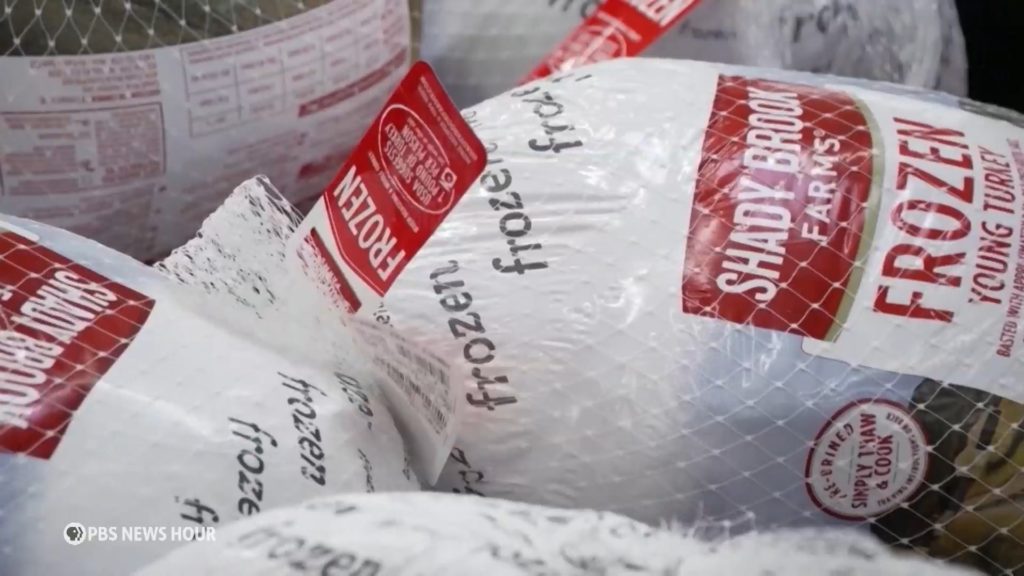
The cost of a traditional Thanksgiving meal in 2026 is projected to remain similar to 2025 levels, despite a rise in food prices during October. While grocery prices have increased by more than 30 percent over the last five to six years, retail competition and high supplies of certain staples are expected to moderate the cost of this year's holiday dinner.
David Ortega, a food economist and professor at Michigan State University, reported that wholesale turkey prices are approximately $1.80 per pound, which is a few cents higher than last year. However, Ortega noted that some retailers are using whole turkeys as "loss leaders," pricing them below cost to attract customers. For example, Walmart is selling Butterball whole turkeys for 97 cents per pound and has offered meal deals that include more food for a lower price than in 2025.
Other holiday staples showing lower costs include eggs, butter, and dairy products due to high market supply. The American Farm Bureau reported that prices for frozen pie crusts and bags of frozen peas, which decreased by 4 cents, have also declined. Conversely, fresh fruit and vegetable prices rose approximately 5 percent between November 2025 and October 2026. Data for October 2025 was unavailable due to a government shutdown.
Ortega attributed higher costs for specific items to several factors. Canned vegetable prices have risen more than 10 percent since President Trump took office, a trend Ortega linked to steel and aluminum tariffs affecting packaging costs. Additionally, higher diesel fuel prices have increased transportation costs for turkeys and other staples. International factors, including the Iran war, have also impacted production and delivery expenses.
The use of loss leaders by major retailers like Walmart means consumers may see a direct benefit in their receipts for specific holiday items, such as a turkey costing roughly half its wholesale value. However, the knock-on effects of trade policy and global conflict are visible in the 10 percent rise in canned goods and the 5 percent increase in fresh produce. These price points reflect how federal tariff policies and international military engagements translate into everyday expenses at the checkout counter.
The current pricing trends set a precedent for how retailers manage seasonal demand during periods of high cumulative inflation. While shoppers will notice these specific holiday discounts through Thanksgiving, the broader upward pressure on food prices remains tied to energy costs and trade regulations. Market analysts will continue to monitor the Producer Price Index and Consumer Price Index to determine if these holiday promotions signal a broader stabilization of food costs or a temporary deviation from the long-term inflationary trend.