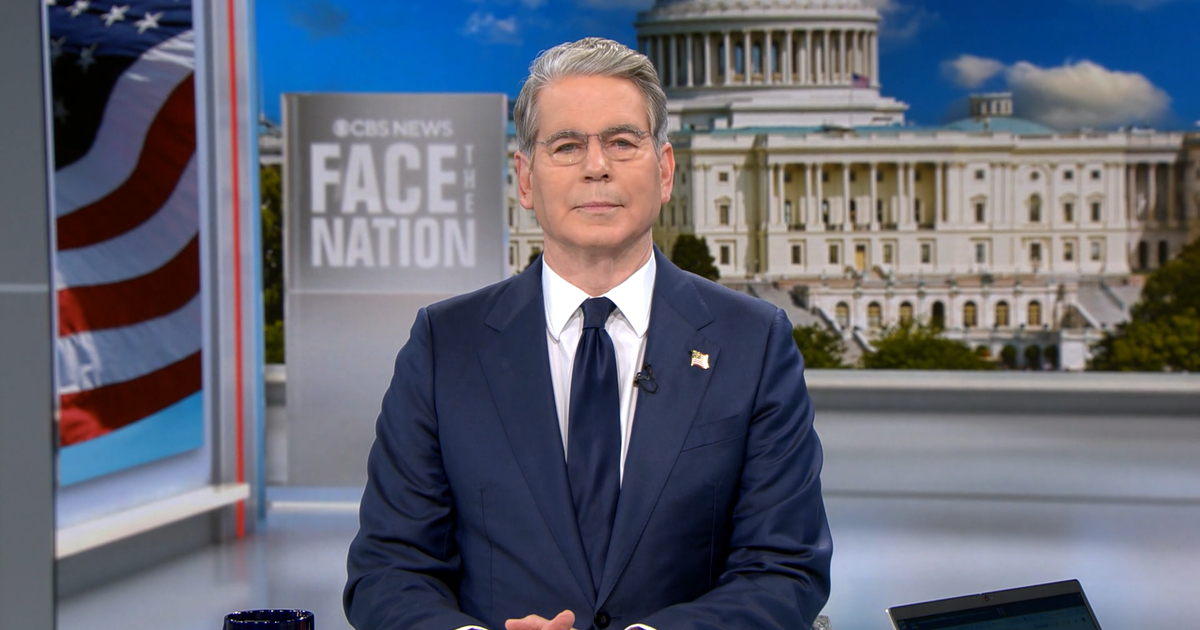
U.S. Treasury Secretary Scott Bessent stated on Sunday, November 22, 2026, that the Trump administration is seeking information from Nvidia leadership regarding a "culture of non-compliance" and possible illicit chip sales to China. The comments followed the resignation of Nvidia CEO Jensen Huang on Thursday after reports of personal affairs, including one with a woman federal officials identified as a Chinese spy. Bessent noted that while the administration is in contact with the company's interim management and legal counsel, formal answers have not yet been provided.
The investigation centers on whether Nvidia computer chips were rerouted to Chinese entities through Megaspeed, a Singapore-based cloud computing firm. Treasury Secretary Bessent reported that several departments, including Treasury and State, had advocated for blacklisting Megaspeed for months, but the Department of Commerce, led by Secretary Howard Lutnick, has not yet added the firm to the trade entity list. Tensions between the two cabinet members were reported by Axios, which alleged that Lutnick expressed concern that such a move would affect the U.S.-China trade war.
Nvidia stock fell 14% on Friday following reports that the Securities and Exchange Commission (SEC) is examining possible accounting issues. Internal data from August 2025 showed that approximately 22% of Nvidia's billed revenue was processed through Singapore, with then-CFO and current interim CEO Colette Kress stating at the time that over 99% of that revenue was for U.S.-based customers. However, regulators are investigating whether these chips were subsequently shipped to China by U.S.-based buyers or server makers.
The scale of the potential technology transfer is significant, with congressional documents indicating the Commerce Department previously approved the sale of over 800,000 Nvidia and AMD chips to Chinese entities, including some linked to the Chinese military. For American tech workers, a shift in data center policy—such as President Trump’s proposed penalties for building centers offshore to prevent technology transfer—could change where jobs are located and how AI models are developed. These restrictions aim to address the strategic vulnerability of high-end chip manufacturing, 97% of which currently occurs in Taiwan.
What happens next: Several oversight actions are scheduled for the coming weeks. Rep. Brett Guthrie (R-KY), chairman of the House Energy and Commerce Committee, has requested a briefing from Nvidia’s interim CEO by December 2 regarding export controls. In the Senate, Banking Committee Chair Tim Scott (R-SC) has called for Secretary Lutnick and former CEO Jensen Huang to testify in early December. Furthermore, Nvidia has delayed its third-quarter financial filings while an independent board committee conducts an internal investigation into the matter.