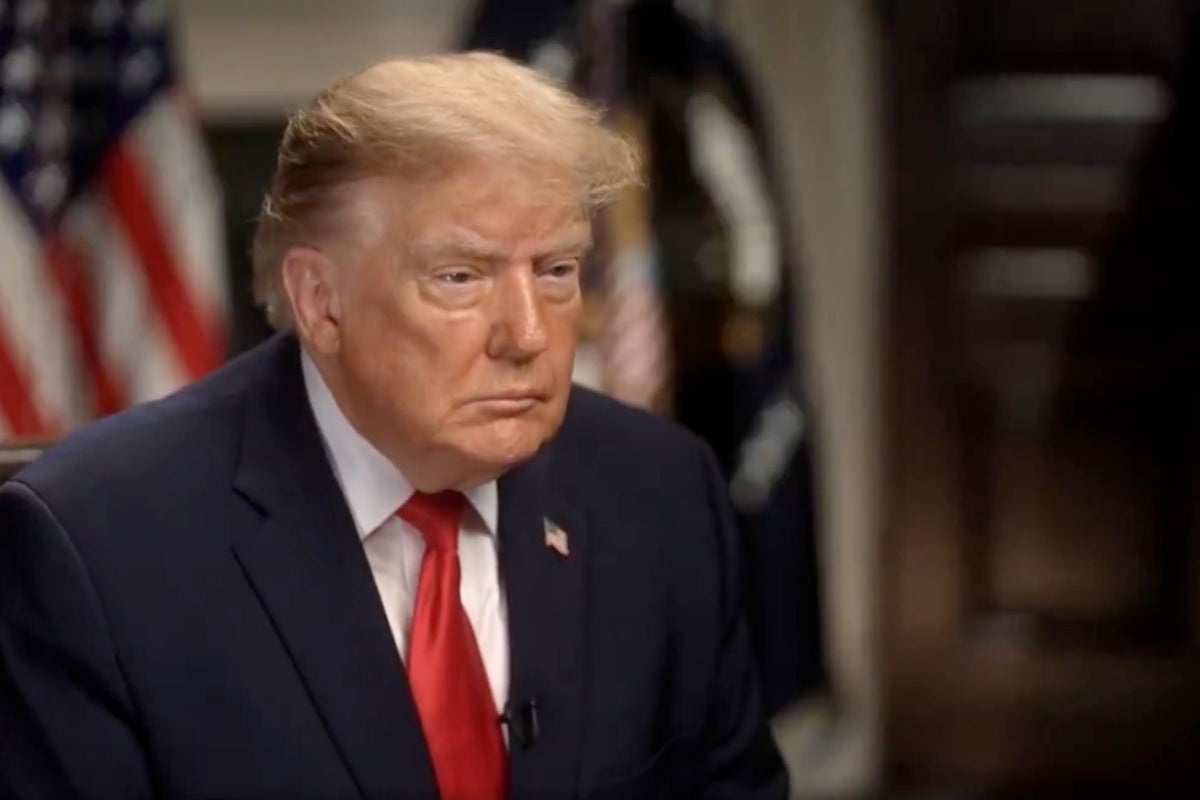
President Donald Trump discussed the Republican Party's performance in the November 2026 midterm elections during an interview with correspondent Ross Douthat on 60 Minutes, which aired on Sunday, November 8, 2026. In the interview, the president addressed the loss of Republican control in both the House and the Senate, as well as several gubernatorial seats, following an election described as a "blue tsunami" for Democrats.
The election followed an eight-month-long war against Iran. The conflict coincided with a rise in gasoline prices, which the AAA Motor Club reported remained above a national average of $4 per gallon on Sunday, November 8—approximately one dollar higher than the previous year.
When asked for his analysis of the Republican defeat, Trump said voters did not like the war, the increase in gas prices, and there was a "great dislike" for Israel. However, when questioned about polling that showed negative public sentiment regarding the cost of living and inflation, Trump attributed these views to media coverage. He stated that the press does not report positive news for Republicans or himself, requiring him to communicate his administration's economic figures, such as stock market performance, directly to the public.
Following the election results, the president replaced Chief of Staff Susie Wiles with her deputy, Stephen Miller. Trump also indicated during the interview that he expects to make additional changes to his cabinet, though he declined to name specific individuals. Regarding Defense Secretary Pete Hegseth, who faces reports that lawmakers will try to impeach him or that the president may remove him, Trump expressed confidence and noted Hegseth's role in the January operation in Venezuela that captured Nicolás Maduro.
The change in leadership within the White House affects federal operations. The appointment of Stephen Miller as Chief of Staff places the deputy chief of staff in the top administrative role. This transition occurs as the president faces record-low approval ratings and a divided government. Trump stated he could work with Democrats "very easily" without using insults if it were necessary to reach a deal, though he continued to use nicknames for his political opponents during the interview.
The immediate impact of the election is the loss of key seats by Republican candidates whom Trump supported, including Ken Paxton in Texas, Jon Husted in Ohio, and Roger Marshall in Kansas. In Texas, the election of James Talarico to the Senate establishes a new representative for the state. As the new Congress prepares to convene, the administration will have to navigate a legislative environment where the president's party no longer sets the agenda for the House or Senate. Trump maintains that the economy remains strong despite public polling, citing high stock market numbers.
The next steps involve the formal seating of the new Democratic majorities in the House and Senate. Cabinet changes hinted at by the president are expected to occur in the coming weeks. No specific dates were reported for the start of potential impeachment proceedings against Secretary Hegseth or for additional staff resignations. Trump had previously posted on Truth Social on election night, Tuesday, November 3, that he would have won a landslide had he been on the ballot himself.