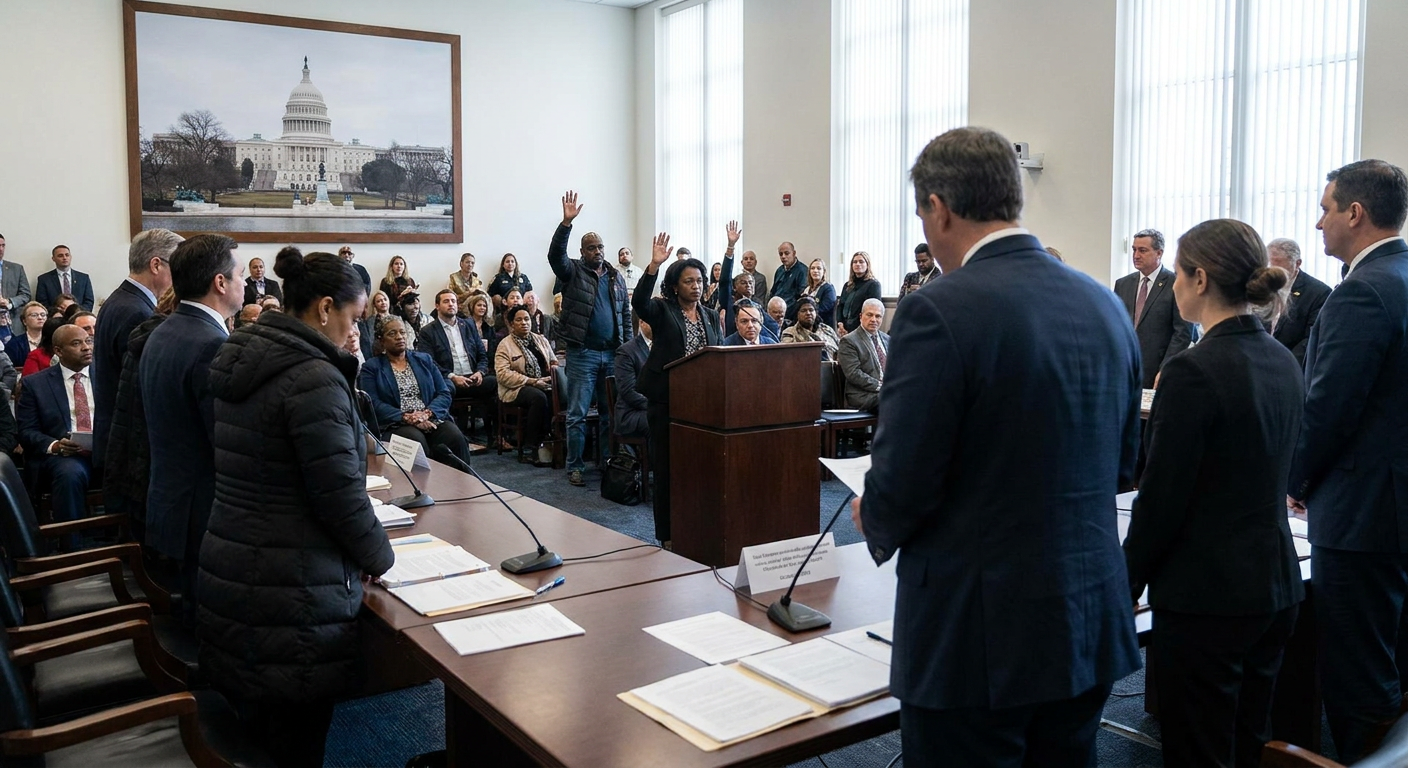
The Trump administration and members of Congress have proposed changes to the National Historic Preservation Act that would alter how the federal government protects historic and sacred sites. Tribal leaders from Oklahoma, representing nations that were forcibly displaced from Ohio in the 18th and 19th centuries, stated that the revisions could endanger ancestral lands and burial grounds.
The National Historic Preservation Act has regulated the protection of historic sites for 60 years. Under current rules, Section 106 of the Act requires federal agencies to consult with states, local governments, and tribal nations regarding development proposals. This process allows these groups to request project redesigns to mitigate damage to sites of cultural or historical significance, such as the 65-foot-tall Miamisburg Mound in Ohio.
The proposed revisions, supported by the Advisory Council on Historic Preservation and some lawmakers, would narrow the definition of what is considered damaging to a site. The changes would also make the tribal consultation process optional rather than mandatory. Sen. Martin Heinrich (D-NM) stated that the current regulations cause significant delays for energy projects, arguing that the country needs to be able to "build things in years, not in decades."
The scale of the impact involves hundreds of ancient earthworks in Ohio alone, alongside thousands of other historic sites nationwide that fall under federal jurisdiction. Supporters of the change, including Sen. Heinrich, argue that streamlining the permitting process is necessary to accelerate energy and infrastructure construction. Conversely, tribal officials like Blake Norton of the Citizen Potawatomi Nation stated that the changes prioritize economic development and capitalism over the preservation of ancestral humanity and sacred spaces.
What happens next depends on the progression of the proposed bill in Congress and the administrative rule-making process at the Advisory Council on Historic Preservation. Sen. Heinrich indicated he is currently in discussions with tribal leaders to identify possible compromises regarding the legislation. The source did not report specific dates for future votes or when the administrative changes would take effect. Until then, the existing mandatory consultation rules remain the standard for federal development projects.