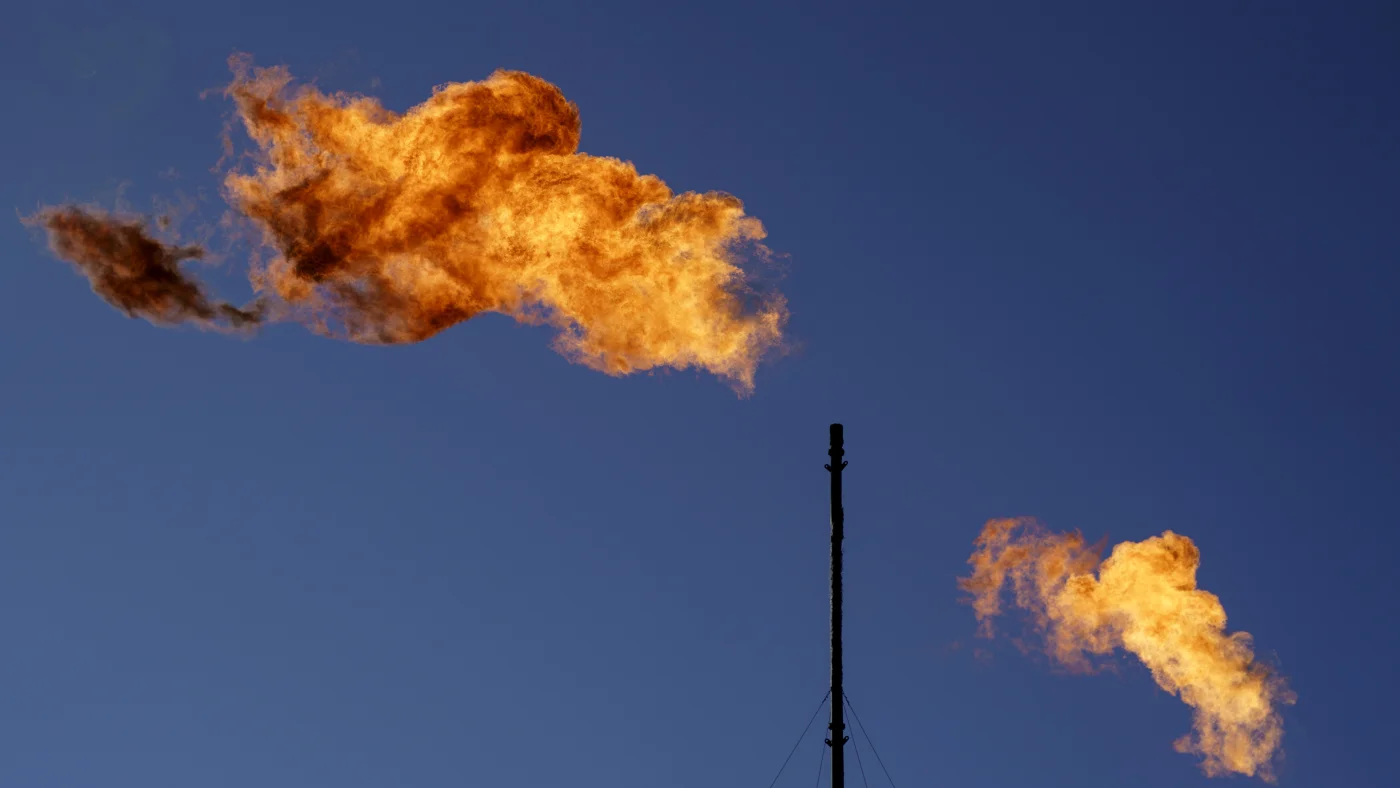
The Trump administration announced a proposal on Tuesday to scale back regulations established by the Biden administration aimed at reducing methane emissions from the oil and gas industry. Speaking in Lubbock, Texas, President Trump stated that the revisions to the Clean Air Act are intended to lower production costs and increase domestic energy drilling.
The proposal targets rules finalized in 2023 by the Environmental Protection Agency (EPA) to monitor and limit methane leaks. Methane is a significant contributor to climate change, estimated by the source to be 80 times more potent than carbon dioxide at trapping heat over a 20-year period. EPA Administrator Lee Zeldin stated that the previous regulations targeted workers and businesses essential to the national economy.
A central part of the proposal involves the Methane Super Emitter Program, which is currently scheduled to begin in January 2027. This program would allow certified third parties, including private and nonprofit satellite programs, to monitor and report large methane leaks to the government. Additionally, the new proposal would loosen leak regulations for "marginal" oil wells, which are older facilities that produce lower volumes of energy and are less profitable.
The concrete day-to-day change for the public involves energy production and environmental monitoring. If the Methane Super Emitter Program is removed, the government would not utilize third-party satellite data to identify invisible leaks at refineries and pipelines. Proponents of the proposal, such as the American Petroleum Institute, state this will provide "regulatory certainty" for producers. However, the Environmental Defense Fund argues that allowing methane—which is the primary component of natural gas—to leak or flare represents a loss of sellable product, impacting royalty and tax revenues.
Potential effects include an increase in total methane emissions from older wells, which the Environmental Defense Fund says produce a disproportionate share of pollution. The proposal sets a precedent for how the Clean Air Act is used regarding third-party data. What happens next is a mandatory 45-day public comment period and a public hearing, which will begin once the rule changes are formally published in the Federal Register. A final decision on whether the January 2027 effective date for the Super Emitter Program will be canceled or modified is not yet known.