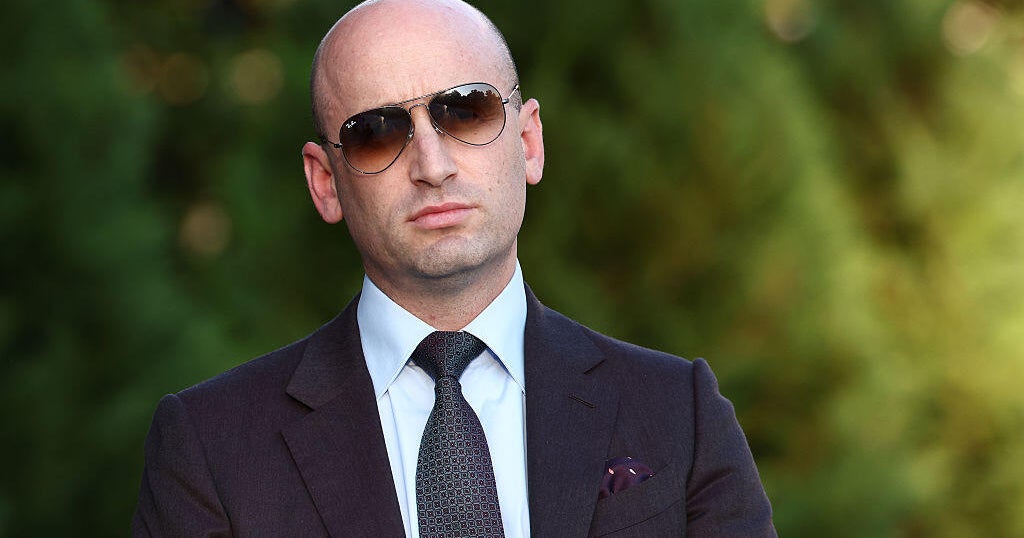
The Trump administration is unlikely to reduce immigration enforcement following midterm election losses, according to multiple U.S. officials who spoke to CBS News. The officials cited the appointment of Stephen Miller as White House chief of staff as a sign that the administration will continue its deportation and legal immigration restriction policies. Despite Republican losses in states such as Texas, administration sources stated they believe the election results were driven by concerns over the economy, affordability, and the war with Iran rather than immigration.
U.S. Immigration and Customs Enforcement (ICE) is currently operating under instructions to conduct approximately 19,000 arrests per week, or about 2,700 per day. This represents an increase from a previous daily target of 2,000 arrests. While 58% of voters nationwide said in exit polls that the administration's deportation efforts had "gone too far," White House spokeswoman Lauren Bis stated the administration would not slow its efforts to arrest and deport "criminal illegal aliens."
In January, Democratic lawmakers are scheduled to take control of both chambers of Congress, which will provide them with authority to investigate immigration policies through subpoenas and oversight hearings. Theresa Cardinal Brown, a former Department of Homeland Security (DHS) official, noted that while Congress may attempt to limit enforcement funds, the agency already secured $75 billion through 2029 under legislation signed by President Trump last year. Additionally, the mayor of Houston has indicated he will limit local police cooperation with ICE following the election.
For the broader U.S. population, the policy sets a precedent for federal authority over immigration and local law enforcement cooperation. The $75 billion in funding secured through 2029 ensures that these operations have the financial resources to continue despite congressional opposition. However, the shift in congressional control in January means federal agencies like DHS and ICE will face increased scrutiny through public hearings.
Specific enforcement operations have already drawn attention, such as a January operation in Minneapolis that resulted in the deaths of two American citizens, Renee Good and Alex Pretti. As the administration moves forward, the focus will turn to how federal operations interact with newly elected Democratic state and local officials. While the administration maintains its current arrest targets, the legal and political landscape will shift as oversight begins and local opposition formalizes.