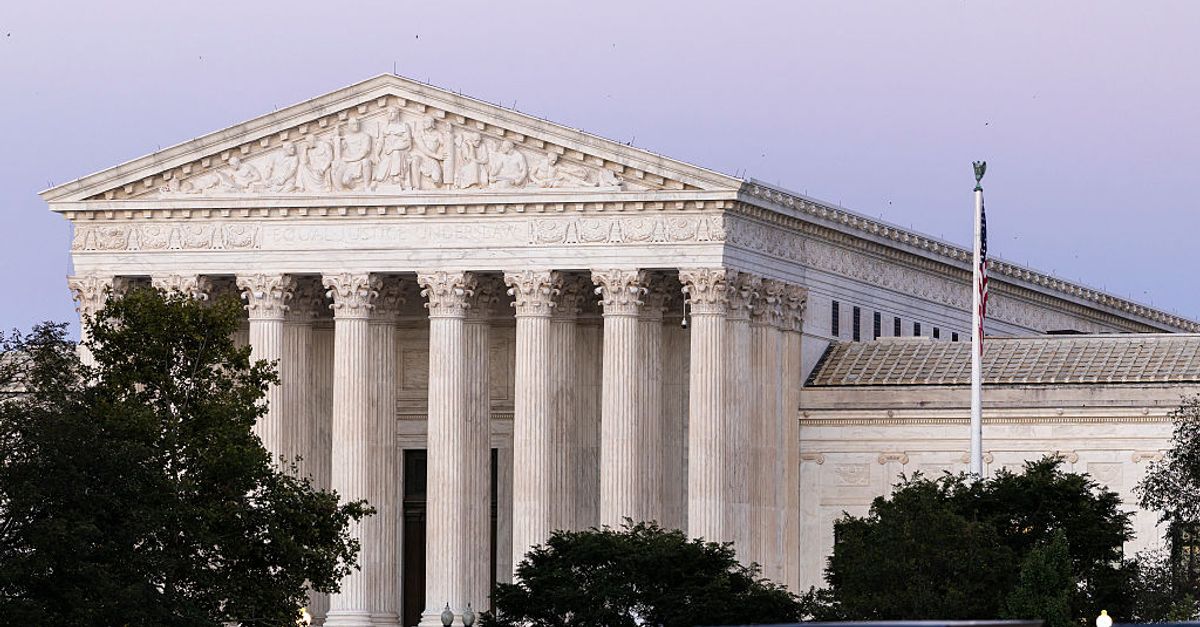
The Trump administration on Thursday, November 19, 2026, withdrew an emergency application to the U.S. Supreme Court that sought to block a lower court ruling protecting Venezuelan nationals from deportation. The withdrawal followed an order from the U.S. Court of Appeals for the 9th Circuit to extend its own stay on the case, keeping the deportation protections on hold while the appeals court continues its review.
The legal dispute centers on the Temporary Protected Status (TPS) program, which allows foreign nationals to live and work in the United States if conditions in their home countries are deemed unsafe. Former Department of Homeland Security (DHS) Secretary Alejandro Mayorkas designated Venezuela for the program in 2021 and 2023, citing a humanitarian emergency. His successor, Kristi Noem, later announced decisions to end the designation, which led to a legal challenge by groups representing TPS holders.
U.S. District Judge Edward Chen in San Francisco initially set aside the administration's termination of the program in September 2025. While the Supreme Court had previously paused Chen’s order to allow deportations to proceed during litigation, the court later sent the case back to the 9th Circuit in October 2026. This remand followed a June 2026 Supreme Court ruling in *Mullin v. Doe*, which found that courts generally cannot review a DHS secretary’s decision to designate or terminate a country's TPS status.
In the emergency application filed on Wednesday, November 18, 2026, U.S. Solicitor General D. John Sauer argued that unless the Supreme Court intervened, the government would be forced to "resurrect" TPS status for hundreds of thousands of Venezuelans. Sauer stated that the government might have to release approximately 1,800 Venezuelan nationals from immigration detention and issue employment authorizations despite the Supreme Court's prior ruling that such DHS decisions are not subject to judicial review.
The scale of the impact involves a "nineteen-month hiatus" of status for these individuals, a period during which the administration has sought to phase out the 2021 and 2023 designations. For the affected individuals, the concrete day-to-day change involves the legal right to hold a job and the security of remaining with their families in the U.S. versus the risk of being returned to a country described as facing a "severe political and economic crisis." The case also sets a procedural precedent regarding the *Mullin v. Doe* decision, testing the limits of how much authority the DHS Secretary has to end humanitarian programs without judicial oversight.
What happens next depends on the 9th Circuit's forthcoming judgment. The current administrative stay is now set to expire seven days after the appeals court issues its decision. In his letter to the Supreme Court clerk on Thursday, Sauer stated that if the 9th Circuit enters an "adverse judgment" against the government, the Trump administration intends to return to the Supreme Court immediately to seek further relief. No specific date for the 9th Circuit's ruling has been reported.