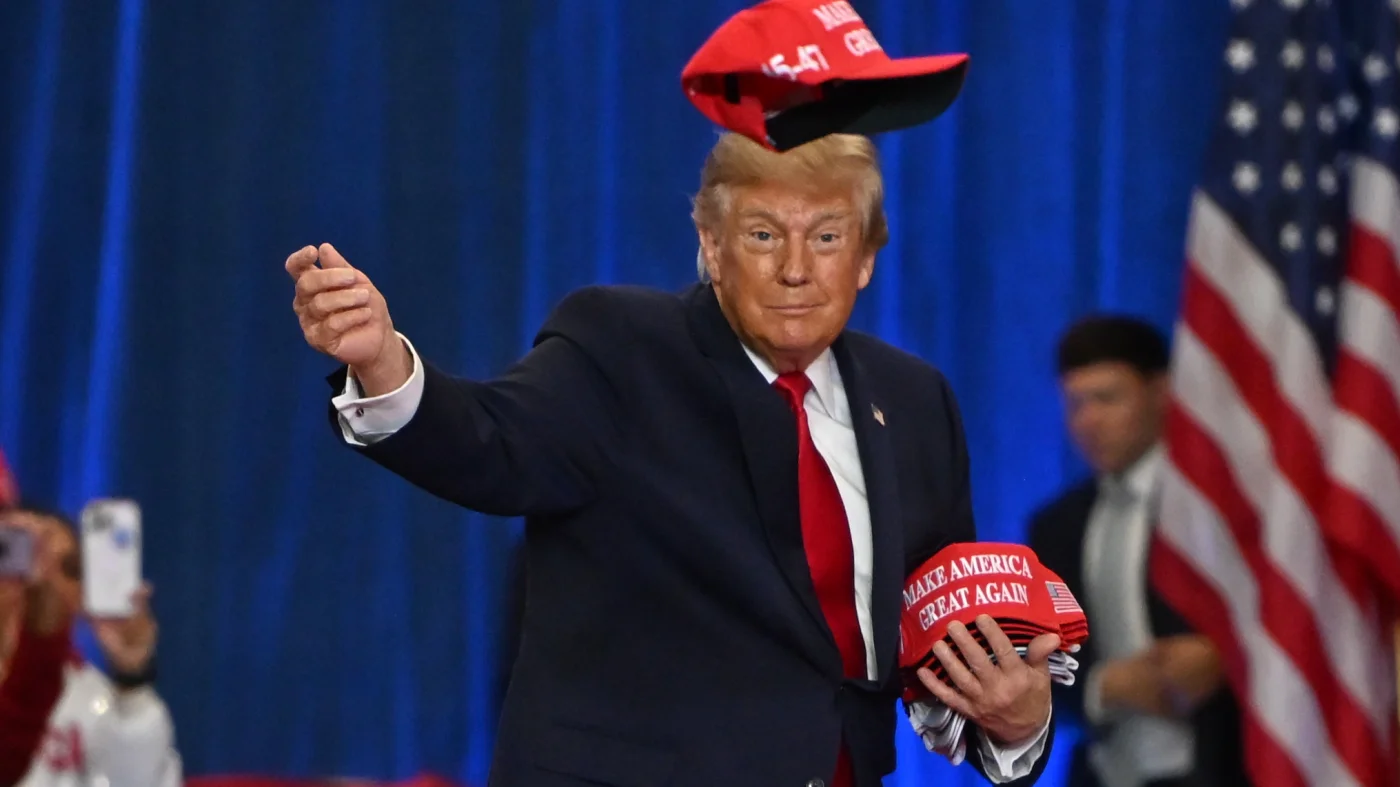
President Donald Trump announced on Tuesday in Lubbock, Texas, that his administration is terminating a rule established under former President Joe Biden intended to reduce methane emissions from oil and gas drilling. During a campaign rally for Republican Senate candidate Ken Paxton, Trump stated the move is intended to lower fuel prices and encourage domestic energy production. The announcement follows the recent repeal by Congress of a related methane fee that had been approved in 2022.
The rule, finalized in 2024, applied to both new and existing oil and gas wells. It required operators to plug leaks and mandated the repair of methane releases from smaller wells, which produce 6% of U.S. oil and gas but account for up to half of methane emissions from energy fields. Environmental Protection Agency (EPA) Administrator Lee Zeldin previously indicated the administration would eliminate the "Super Emitter Program," which required companies to investigate major releases, and would set less restrictive standards for smaller operators.
Methane is a primary component of natural gas and is estimated by scientists to be responsible for approximately one-third of planet-warming greenhouse gas emissions. It is often released into the atmosphere or burned as waste during drilling operations. While the Biden administration's EPA projected the rule would prevent 58 million tons of methane emissions by 2038 and yield $98 billion in benefits, the Trump administration has rejected the "social costs" methodology used to calculate those figures.
Environmental groups, including the Environmental Defense Fund, stated the rollback allows companies to release gas that could otherwise be captured for household energy. Fred Krupp, president of the group, characterized the move as a "free pass" for companies. The change also impacts the "Super Emitter Program," meaning large-scale methane leaks may no longer be subject to the same mandatory federal investigation and repair timelines. This represents a shift in how the EPA monitors industrial pollution, as the agency moves away from the 2024 standards that had expanded federal oversight to existing wells.
The knock-on effects include a broader dismantling of federal climate policies. This follows the revocation of scientific findings regarding greenhouse gases, the lowering of vehicle fuel economy standards, and efforts to repeal emission limits for power plants. The Biden-era rule had already been subject to an 18-month delay by the EPA to allow for compliance, but the new administration's termination ends those requirements. The next steps involve the formal administrative process of rescinding the rule and setting the new, less restrictive standards for small wells as previously outlined by the EPA administrator.