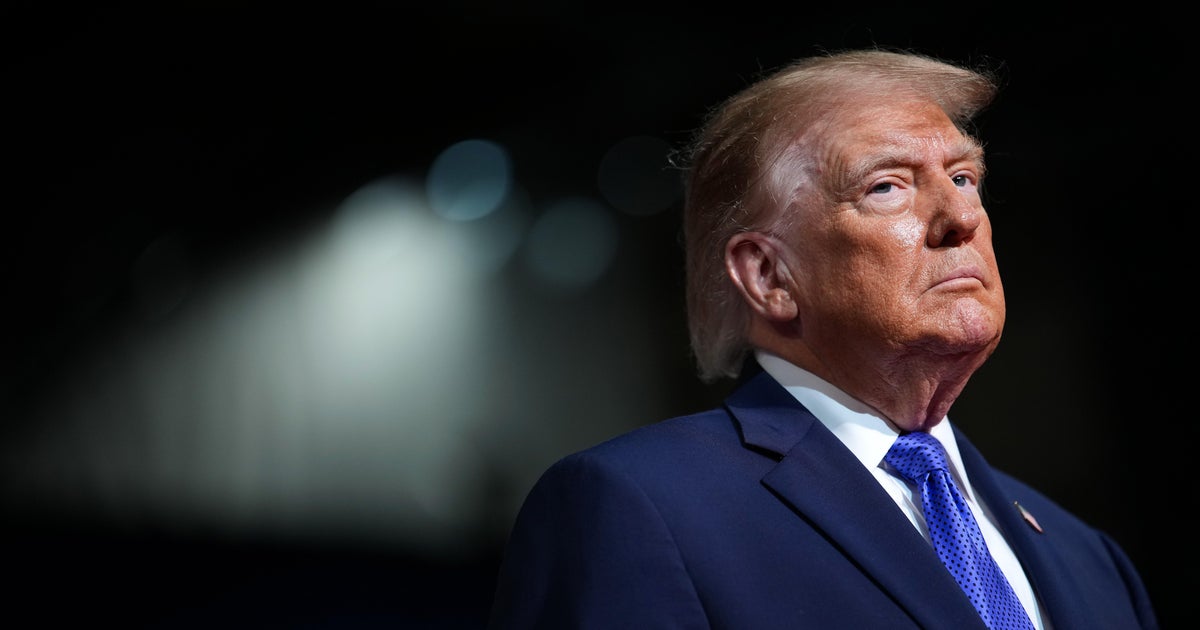
President Donald Trump stated on Saturday, Nov. 21, 2026, that he would work with the incoming Democratic-controlled Congress to establish a cap on credit card interest rates. The proposal seeks to limit the interest rates credit card companies can charge customers to 10%.
The move follows a similar proposal by Mr. Trump in January 2026, which was not advanced by the then-Republican-controlled Congress. At that time, the banking industry and various credit card providers opposed the measure, arguing it would lead to the cancellation of cards for low-income borrowers or a reduction in consumer reward programs.
In an interview with Fox News Channel’s "Saturday in America," Mr. Trump said, "I would do it. These credit card companies have made a lot." Sen. Elizabeth Warren (D-MA), the expected incoming chair of the Senate Banking Committee, responded to the remarks by stating, "Let's cap credit card interest rates and save Americans money." Sen. Josh Hawley (R-MO) has also supported the concept, previously urging Congress to pass his bipartisan bill to provide relief.
The credit card industry would face a reduction in revenue, though researchers noted the sector would likely remain profitable. Beyond lower bills, consumers might notice a decrease in day-to-day perks, as banks have indicated they would likely scale back rewards programs or tighten credit availability for less creditworthy individuals to offset the loss of interest income. This could potentially set a precedent for federal intervention in private lending rates, a move that previously lacked support from congressional Republicans but now finds common ground with Democratic leaders like Sen. Warren and Rep. Maxine Waters (D-CA).
The next steps for this proposal depend on the legislative calendar of the incoming 120th Congress. While Mr. Trump previously expressed a desire to see the cap in place for one year by January 20, specific dates for committee hearings or floor votes in the House and Senate have not been reported. Financial institutions are expected to continue their opposition as the transition to Democratic control of both chambers proceeds.