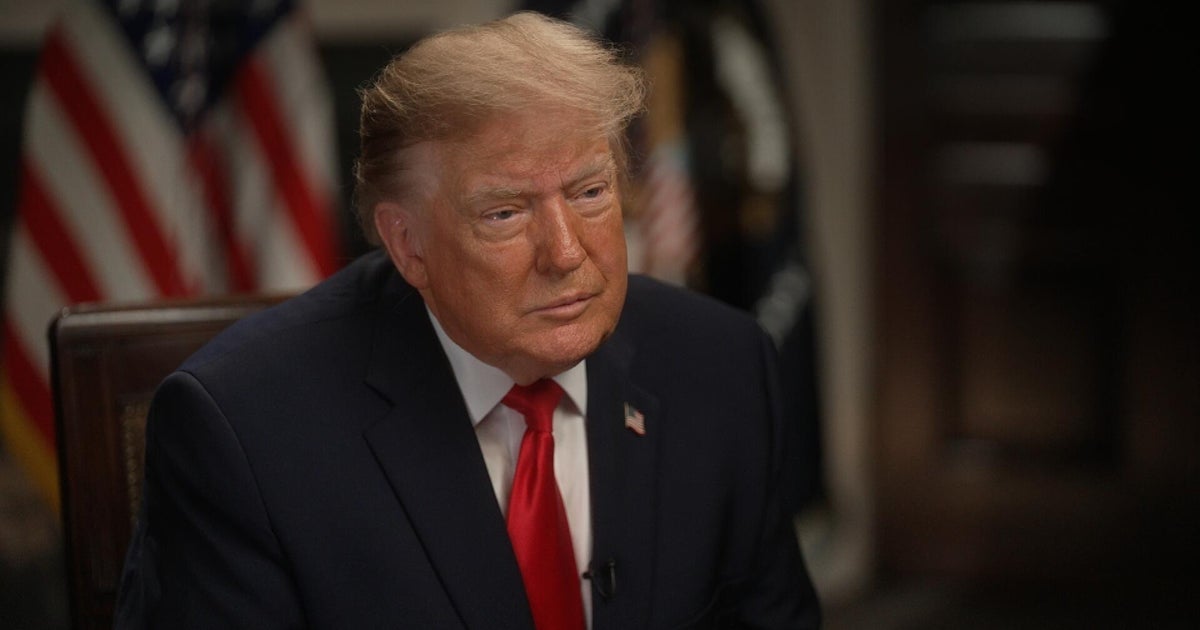
In an interview with 60 Minutes, President Donald Trump stated that his administration’s approach to immigration enforcement may have been "too tough" regarding the deportation of individuals who have lived in the United States for a decade or more. The president noted that while he received high marks for border security and removing "the bad ones," the practice of deporting long-term residents with jobs and limited criminal records has drawn criticism. He acknowledged that public opinion is divided between those who support strict removal and those who believe "good people" working in industries like landscaping or hospitality should be allowed to stay.
These comments followed midterm election results in which the Republican Party saw significant losses in heavily Latino areas, including South Texas. According to the report, some voters linked these losses to the administration's immigration policies. Despite the election results, the president maintained that his border actions "both helped and hurt" the party's performance. The interview occurred three days after the elections, though the specific date was not reported.
The administration’s current enforcement strategy involves a high volume of interior arrests and deportations. The number of people detained by Immigration and Customs Enforcement (ICE), the agency responsible for federal immigration law enforcement, has reached record highs. While the administration states its priority is to arrest the "worst first," officials have also stated that any person in the country illegally is subject to arrest. Stephen Miller, who was recently named White House chief of staff to replace Susie Wiles, has previously advocated for a target of 3,000 arrests per day.
The impact also extends to specific industries, such as landscaping and hotels, where the president noted many long-term residents are currently employed. If enforcement priorities shift, employers in these sectors may see changes in workforce stability. Voters appear closely divided on the issue; exit polling indicates 58% believe the administration's actions have gone "too far," yet Republicans maintain a narrow lead over Democrats (43% to 41%) on which party is better suited to handle immigration. This suggests that any change in enforcement strategy could influence the political landscape heading into the next legislative session.
What happens next depends on whether the president’s comments translate into formal policy changes. Congressional Democrats will take control of the House and Senate starting next year, and Mr. Trump expressed interest in working with them on immigration legislation. However, the recent promotion of Stephen Miller to chief of staff suggests a continued emphasis on strict enforcement. No specific dates or deadlines for new policy directives or legislative proposals were provided in the report. Residents, advocacy groups, and law enforcement agencies are waiting for clarification on whether citywide crackdowns, vehicle stops, and detention practices will be modified.