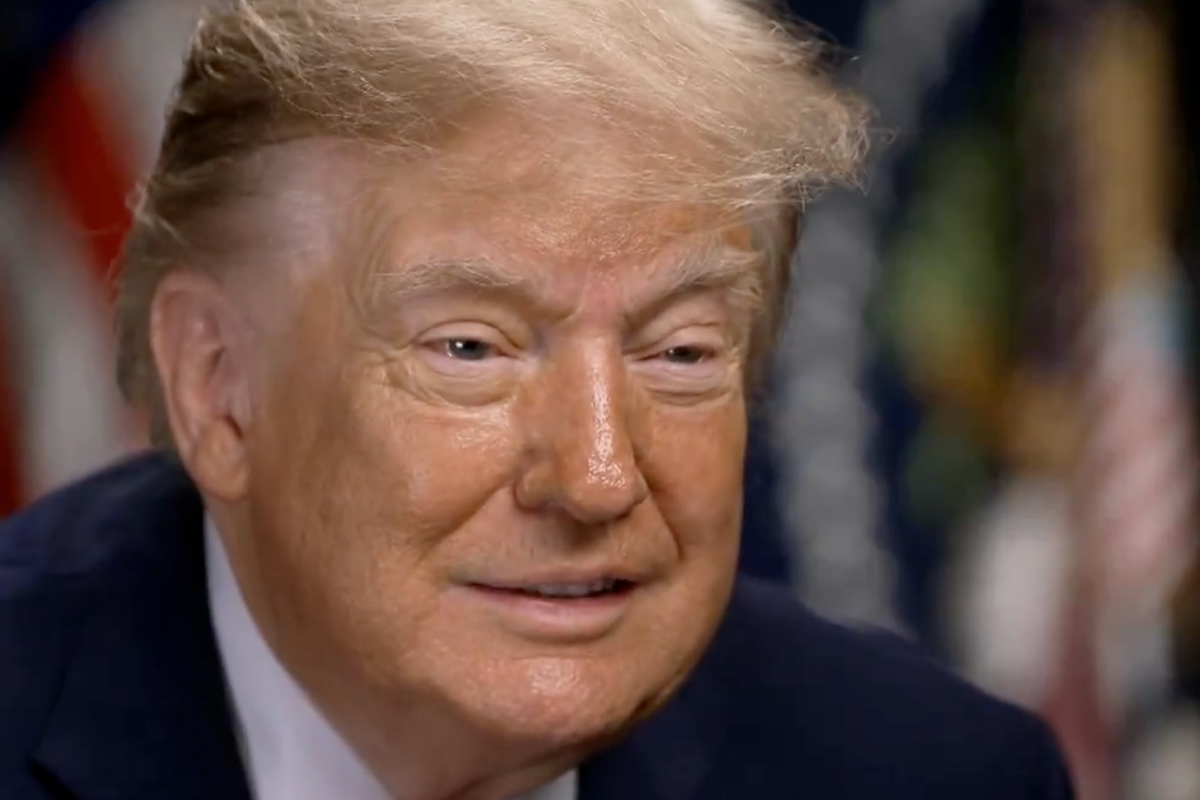
In a 60 Minutes interview aired on Sunday, November 8, 2026, President Donald Trump discussed his mortality and his religious beliefs following recent midterm elections. Speaking with CBS News correspondent Ross Douthat, the president stated that he considers himself a religious person and expressed hope that he would go to heaven rather than hell. The interview marked the president's first major media appearance since the Republican party lost seats in the November 3, 2026, elections.
The conversation followed a series of events cited by the interviewer, including an assassination attempt in July 2024. During the broadcast, Trump addressed his legacy and personal psychology, noting that he hoped to be "missed" by the public after his death. He also commented on his previous public remarks regarding political opponents, acknowledging a previous statement from a memorial service where he said he did not want the best for his enemies.
Regarding the midterm election results, the president identified inflation and high gasoline prices as factors in the Republican losses, attributing those economic conditions to the conflict with Iran. However, he also stated that the economy was in "phenomenal" shape and argued that the election outcome was partly due to messaging issues and voter turnout. Trump expressed that his immigration policies may have been "too tough" on the public, stating that people had reacted against actions taken against individuals who were making positive contributions to society, while maintaining his support for border closures and the deportation of those with criminal records.
For the American public, the president's reflection on immigration policy marks a change in rhetoric. While the scale of deportations was not specified in the report, the president noted that actions against those making "positive contributions" may have alienated the public. These policy signals come as the administration continues to manage the economic effects of the war with Iran, which the president and Vice President JD Vance identified as a source of political dissatisfaction among voters concerned with energy costs.
What happens next depends on the formalization of these personnel changes. As the new Chief of Staff takes over, the administration will continue to manage the aftermath of the Iran conflict. The president stated he is not currently looking to attack Tehran again. Further details on Cabinet transitions are expected as the administration prepares for the post-midterm political landscape.