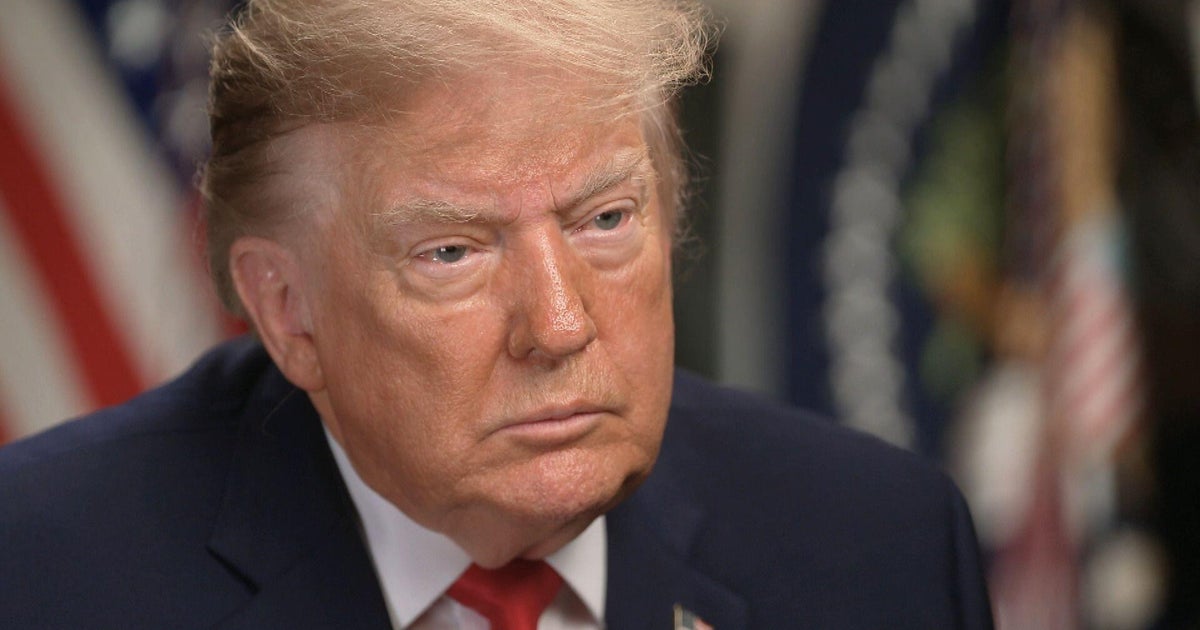
President Donald Trump addressed Republican losses in the recent midterm elections and signaled shifts in his administration’s personnel during an interview with 60 Minutes correspondent Ross Douthat. The president defended his economic record and his decision to engage in a war with Iran, though he acknowledged that "bad messaging" and high gasoline prices contributed to the election outcome. Following the interview, the president announced that White House Chief of Staff Susie Wiles would be replaced by Stephen Miller.
The interview followed midterm results in which Republicans lost more than 40 House seats and at least seven Senate seats. CBS News exit polling indicated that 63% of voters disapproved of the president's job performance, with 44% citing opposition to him as a reason for their vote. While the president attributed the losses to his absence from the ballot, he also noted that some voters disapproved of the war with Iran and the resulting increase in energy costs.
Regarding immigration, the president stated that his administration's deportation policies were "too tough" at times, specifically citing cases involving individuals with "good jobs" whose only violation was illegal entry. However, he also appointed Stephen Miller, a proponent of stricter enforcement who previously urged at least 3,000 arrests per day, to the role of chief of staff. On the economy, the president described performance as "phenomenal," citing record highs in 401(k) accounts, despite exit polls showing 75% of voters viewed economic conditions as "poor" or "not so good."
The president confirmed plans to issue "tremendous numbers of pardons" before leaving office, including for individuals involved in the January 6 Capitol riot. He stated that he does not expect to attempt to pardon himself but called the idea "not unreasonable." Additionally, he expressed continued confidence in Defense Secretary Pete Hegseth, dismissing calls from Democrats for impeachment. Regarding future political plans, the president said he would "probably" endorse a successor for the 2028 election but has not finalized that decision.
The scale of the political shift is marked by the loss of over 40 House seats, including districts the president won by double digits two years ago. For households, the economic concerns cited by 75% of voters—specifically the prices of food, gasoline, utilities, and healthcare—remain a primary focus. The knock-on effects of the war with Iran continue to influence these costs, as the president noted that voters "didn't like the war" or the "soaring gas prices" it triggered. These economic factors directly impact monthly household budgets across the country.
The president’s intent to issue high volumes of pardons sets a precedent for the use of executive clemency as his term nears its end. This will affect the legal standing of individuals involved in the January 6 events and potentially other former administration officials. Looking ahead, the focus shifts to the transition in the chief of staff's office and the remaining two years of the term. The next major political milestone will be the start of the 2028 primary cycle, where the president indicated his endorsement could play a "big role."