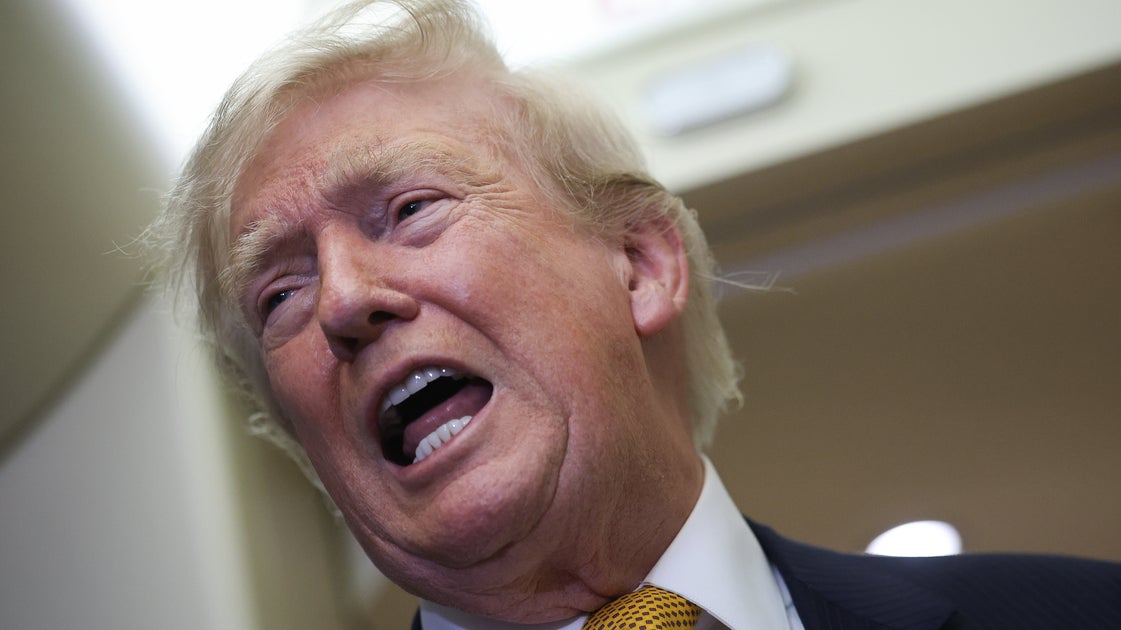
Tucker Carlson, a former Fox News host and former ally of Donald Trump, released a video on Thursday, November 5, 2026, criticizing the Trump administration's record on various policy commitments. The video, titled "The Great Betrayal," uses recorded statements from the president and members of his administration to highlight what Carlson characterizes as misleading claims regarding military conflict, the economy, and government transparency.
Carlson has held varying public positions regarding the president over the last several years. During Trump’s first term, Carlson was a supporter and later minimized the events of the January 6, 2021, U.S. Capitol insurrection. By 2024, he endorsed Trump again, appearing as a speaker at both campaign rallies and the Republican National Convention. However, private communications released during a court case showed that on January 4, 2021, Carlson wrote in a text message that he "can't wait" to ignore the president and stated that he hated him "passionately."
The newly released video focuses on specific policy areas where Carlson alleges the administration has failed to meet its stated goals. These include the war with Iran, the rate of inflation, the cost of fuel, and the status of the Jeffrey Epstein files. Earlier in 2026, Carlson publicly broke with the president, stating he felt "betrayed" by the war with Iran and "tormented" by his previous support. He issued a statement saying, "I’m sorry for misleading people."
For the public, this change in rhetoric represents a shift in the information landscape regarding the executive branch. A person following these developments would notice a reversal in Carlson’s support, now replaced by focused critiques of administrative actions. These critiques specifically target how government policies affect daily expenses like fuel and broader economic trends like inflation, which impact household budgets and purchasing power. The video also addresses transparency regarding the Jeffrey Epstein files, a matter of public legal record and government disclosure.
The knock-on effects of this public break may influence the relationship between the administration and media figures who previously aligned with its platform. It sets a precedent for how former political allies may use archival footage to challenge an administration's current narrative. The source does not report specific upcoming dates for votes, court hearings, or further video releases. It remains unknown how the Trump administration will respond to the specific allegations of broken promises or if further segments of this video series are planned.