Representatives from more than 200 countries are meeting in Turkey for COP31, the annual United Nations climate talks. A primary focus of the conference is the diverging greenhouse gas emission trends of China and the United States, the world's two largest emitters. While China has seen emissions remain flat or fall over the last two and a half years, U.S. greenhouse gas emissions rose in 2025. A report from United Nations scientists identified the U.S. as the only major economy where such pollution increased significantly last year.
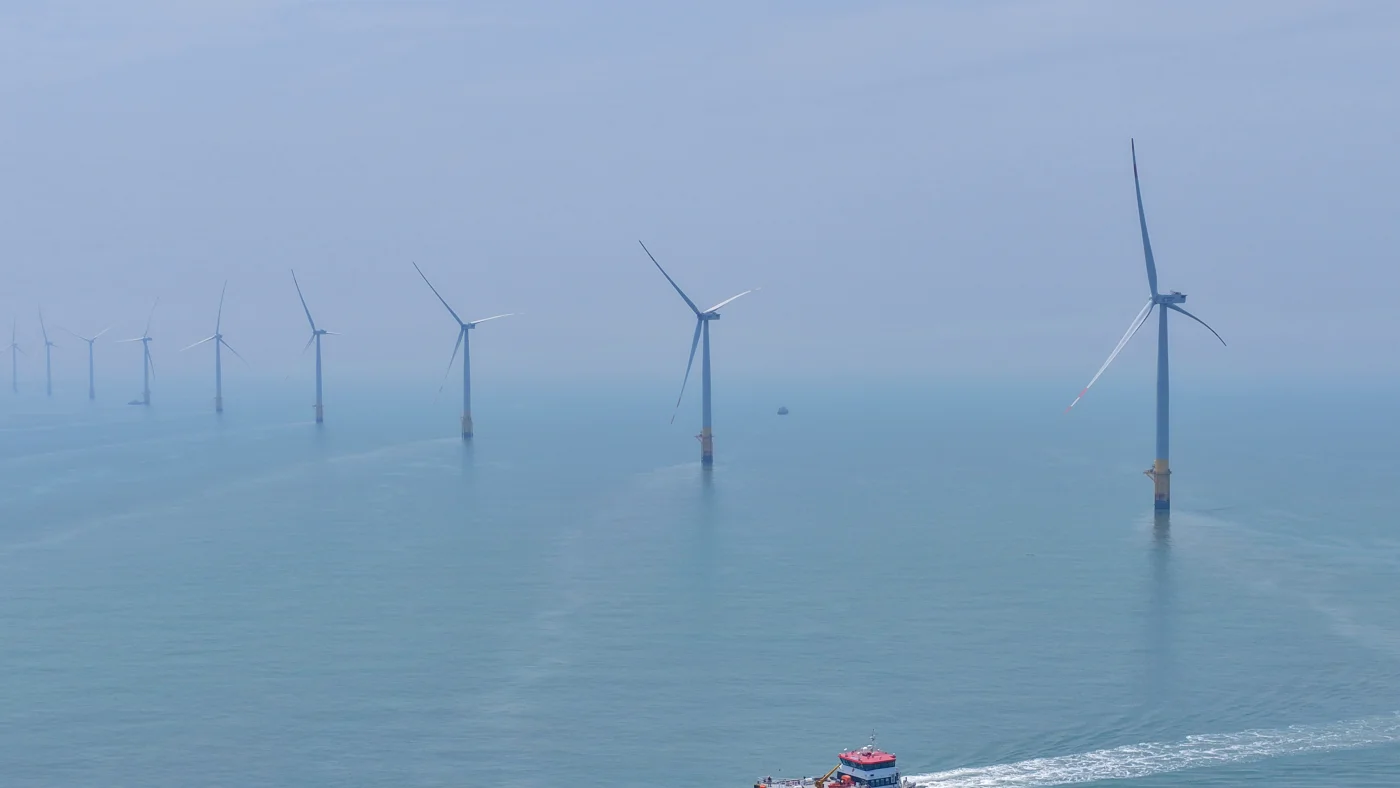
China's recent emission trends follow two decades of central government policy, including five-year plans that established nationwide supply chains for solar panels, wind turbines, batteries, and electric vehicles. According to Lauri Myllyvirta, lead analyst at the Centre for Research on Energy and Clean Air, China's emissions dropped 3% in the last quarter, the largest decline since the COVID-19 pandemic. This shift is attributed to renewable energy displacing coal in the power sector and electric vehicles reducing oil demand. Data from the China Passenger Car Association indicates that electric vehicles now account for two-thirds of passenger vehicle sales in China.
In contrast, U.S. emissions rose in 2025 due to increased consumption of coal for power and oil and gas for heating. Alex Wang, a professor at UCLA Law, attributed the lack of large-scale renewable deployment to "policy whiplash" caused by shifting federal priorities. While the Biden administration increased funding for clean energy, the Trump administration has reversed those incentives, removed financial support for wind and solar, and proposed cutting regulations on methane. White House spokesperson Taylor Rodgers stated that the administration's "energy dominance agenda" has prioritized affordable energy, noting the U.S. is the world’s leading producer and exporter of oil and gas.
The scale of China's industrial pivot is reflected in its status as the global leader in producing and exporting clean energy technology. Analysts report that China is currently exporting these technologies to nations such as Pakistan, Nepal, and the Philippines, helping those countries reduce fossil fuel dependency. This export growth has accelerated since the start of the U.S. war with Iran, as more nations seek alternatives to oil. For U.S. manufacturers, this represents a competitive challenge; Li Shuo of the Asia Society Policy Institute noted that China’s dominant position in the global clean tech trade is expected to consolidate further in the coming years.
What happens next depends on international commitments made during the COP31 summit and the implementation of domestic energy policies. U.S. emissions are projected to fall slightly this year as coal use decreases, though the pace of clean energy deployment remains lower than in China. The Trump administration continues to focus on its energy dominance agenda, which emphasizes keeping coal plants operational and expanding fossil fuel production. The ongoing United Nations talks will continue to press for increased electrification commitments from member nations as the conference proceeds in Antalya.