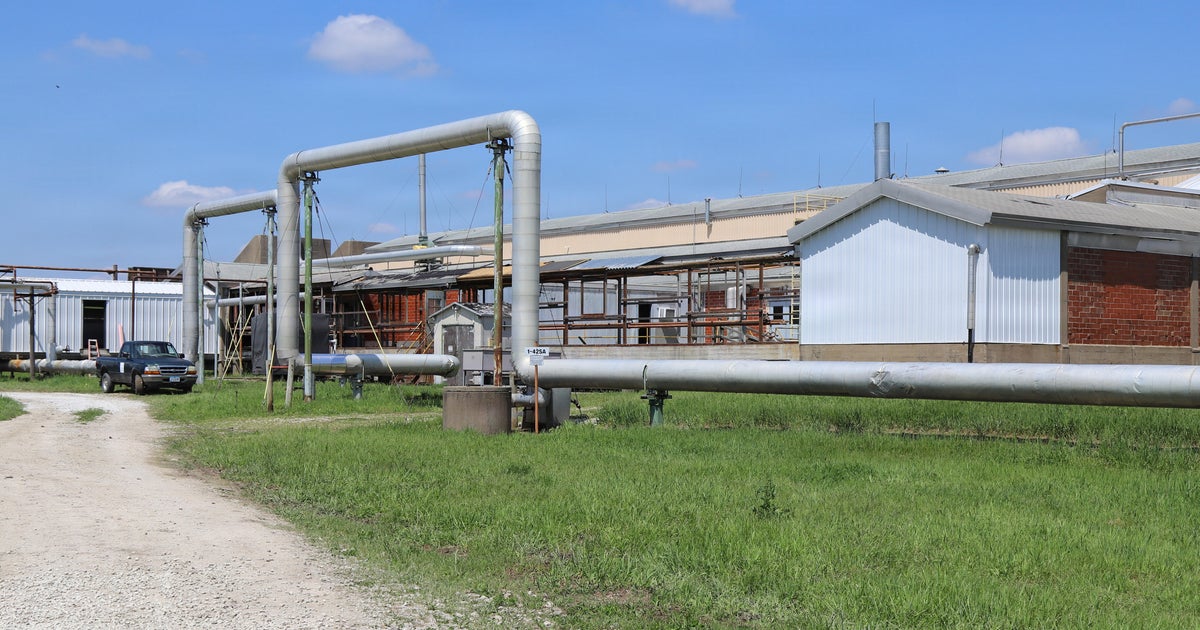
The U.S. Army is scheduled to conduct two controlled detonations of approximately five tons of unstable explosives at the Iowa Army Ammunition Plant in Middletown, Iowa, on Friday, Nov. 20. The operation involves 68 barrels of lead azide, a military explosive that has deteriorated during its 20-year storage period. Army officials determined that the material is currently too unstable to transport and that a detonation at the site is the safest available disposal method.
Military officials reported that a routine check earlier this year revealed water and ethanol—used to stabilize the material—had evaporated, causing the lead azide to recrystallize. This state makes the explosive sensitive to friction and shock. In response to the risk of accidental detonation, the Environmental Protection Agency (EPA) issued an emergency permit on Nov. 13 to allow the operation at a site not typically authorized for hazardous waste disposal.
The Army has implemented measures to contain resulting lead dust, including burying the barrels under soil and concrete, stacking sand barriers two stories high, and using water mists to settle particles. However, plume forecasts indicate that lead dust could travel northward across eastern Iowa and into northwest Illinois. Residents in Middletown’s City Park neighborhood were asked to evacuate, and several nearby school districts, including Danville and Mediapolis, canceled classes for the day.
On Thursday, Earthjustice filed a lawsuit in the 8th U.S. Circuit Court of Appeals on behalf of the Iowa Environmental Council and the Sierra Club Iowa Chapter to block the event. The groups challenged the validity of the EPA’s emergency permit, arguing that Iowans deserve a review of alternatives. Additionally, a group of elected officials, including U.S. Sen.-elect Juliana Stratton (D-IL) and U.S. Sen.-elect Josh Turek, sent a letter to the Pentagon and EPA requesting a delay due to concerns over lead contamination and communication.
For those in the broader region, the impact involves the potential deposition of lead dust on residential properties, farmland, and playgrounds. Residents are advised to stay indoors during the plume's passage, which is expected to last roughly one hour, and to wet-clean outdoor surfaces like toys and windowsills afterward. The long-term scale of the impact is currently unknown; lead is a heavy metal that does not degrade and can persist in soil. While the Army plans to conduct air, soil, and water sampling to track the fallout, local officials in Mediapolis have announced they will conduct independent testing to ensure the safety of their water and land.
The incident sets a precedent for how the military handles aging munitions at contractor-operated Superfund sites. Beyond the immediate health concerns, the outcome will likely influence future oversight of hazardous material storage at the facility. Following the detonation, the Army is required by its permit to begin soil and surface-wipe sampling within 24 hours in areas where dust deposition is expected. These findings and any necessary remediation plans must then be submitted to the EPA for review. The next steps for the legal challenge in the 8th Circuit Court remain pending as the scheduled noon Friday detonation time approaches.