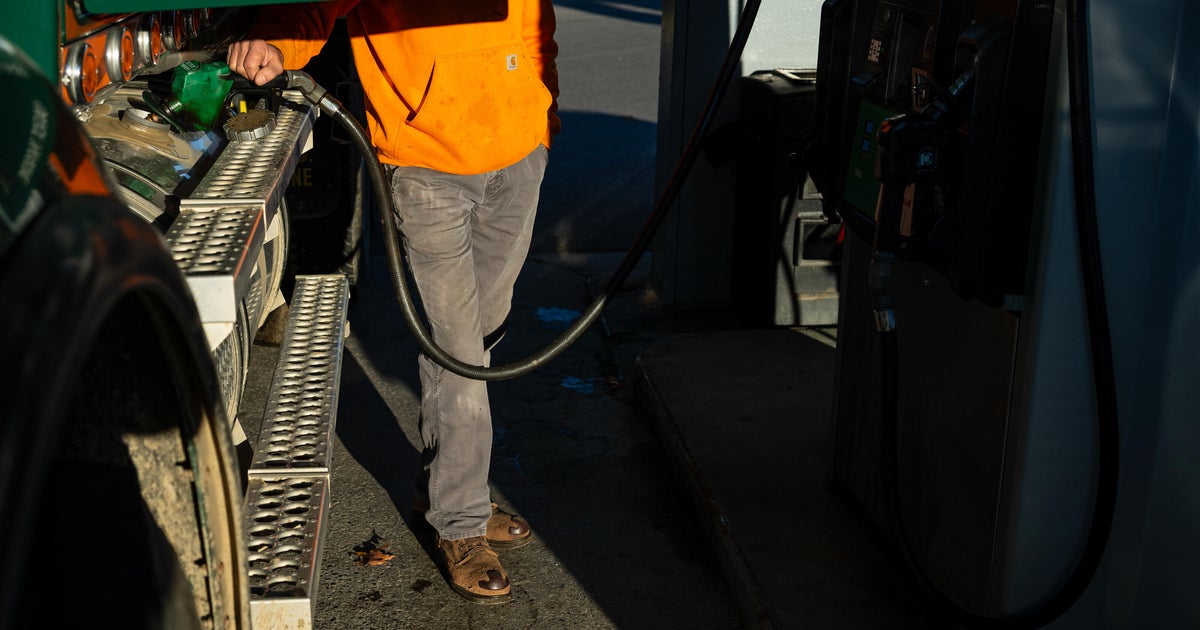
The national average price for diesel fuel in the United States dropped below $6 per gallon on Monday for the first time in more than two months. According to data from AAA, the average price reached $5.99 per gallon, a decrease from the record high of $6.53 recorded on September 22.
The decline follows a period of elevated costs driven by refining constraints and disruptions to oil flow linked to conflicts in Iran and Ukraine. Petroleum analysts noted that the recent downward trend in fuel prices occurred after President Trump indicated he would not escalate the conflict in Iran. Additionally, global oil markets have shown signs of stabilization as supply begins to meet or exceed demand.
Market benchmarks reflected this shift on Monday, with Brent crude trading at $93.56 a barrel and West Texas Intermediate at $86.72. The International Energy Agency (IEA) reported in November that global oil supplies surpassed demand for the first time since the war in Iran began, and the agency increased its production forecast to predict a surplus for the fourth quarter. Gasoline prices also decreased, falling below $4 a gallon last week for the first time in nearly four months.
The scale of the impact is tied to global supply chains and regional energy needs. While tanker traffic through the Strait of Hormuz has picked up, ongoing security incidents in the waterway continue to be monitored by analysts. Patrick De Haan of GasBuddy noted that while supply surpluses are currently weighing down prices, any new disruptions in the Middle East could reverse the trend. For agricultural workers, the current price dip coincides with a seasonal fade in demand following the harvest, providing a window of lower costs.
What happens next depends on winter weather and regional stability. Tom Kloza of Gulf Oil stated that diesel and heating oil prices may continue to decline over the next six weeks, but he warned of a potential increase between late December and mid-February as colder temperatures drive up demand for heating oil. Additionally, Iran has stated it will not allow U.N. inspections of damaged nuclear sites until the current war is "permanently ended," a factor that could influence future geopolitical stability and energy markets. Gasoline and airfare costs are also expected to impact the volume of travel during the Thanksgiving holiday.