The Plain Record

Neutral daily news — clear headlines, complete facts.

Politics

U.S. Envoys Resume Ukraine Peace Talks in Abu Dhabi Amid Drone Strikes on Russian Refineries

U.S., Russian, and Ukrainian envoys met in Abu Dhabi for the first peace talks since February as drone strikes reportedly cut Russian oil refining capacity by 30%.

By The Plain RecordUpdated November 11, 2026 at 1:20 AM EST
Published November 11, 2026 at 12:06 AM EST

The short answer

U.S., Russian, and Ukrainian envoys met in Abu Dhabi for the first peace talks since February as drone strikes reportedly cut Russian oil refining capacity by 30%.

Updates (2)

  • Update — November 11, 2026 at 1:20 AM EST: U.S. envoys Steve Witkoff and Jared Kushner met with Russian and Ukrainian negotiators in Abu Dhabi to resume peace talks for the first time since February.
  • Update — November 11, 2026 at 12:50 AM EST: President Trump's top envoy is in Abu Dhabi with negotiators from Russia and Ukraine to resume peace talks.
U.S. Envoys Resume Ukraine Peace Talks in Abu Dhabi Amid Drone Strikes on Russian Refineries

The Facts

Who
U.S. Envoys Steve Witkoff and Jared Kushner; Secretary of State Marco Rubio; Russian and Ukrainian negotiators.
What
Resumption of trilateral peace talks between the U.S., Russia, and Ukraine in Abu Dhabi.
When
Wednesday, November 11, 2026
Where
Abu Dhabi, United Arab Emirates; Leningrad region, Russia
Why
The U.S. administration is seeking a final end to the war through a new European security framework, while Ukraine is using drone strikes to degrade Russian oil processing capacity.

U.S., Russian, and Ukrainian negotiators resumed peace talks in Abu Dhabi on Wednesday, November 11, 2026, the first such direct negotiations since February. U.S. Secretary of State Marco Rubio characterized the first day of discussions as productive and stated that the administration is seeking a "final end" to the conflict. Simultaneously, a series of Ukrainian drone strikes targeting Russian energy infrastructure reportedly reduced Russia's oil refining capacity by approximately 30%.

The talks were led by U.S. presidential envoys Steve Witkoff and Jared Kushner. President Donald Trump stated that both sides appear "tired of fighting" and expressed hope for a settlement that could involve a new security framework for all of Europe. A U.S. official claimed that Moscow and Kyiv are privately showing "flexibility" regarding potential territorial exchanges. However, European nations, including the U.K., Germany, France, and Italy, are represented in Abu Dhabi but are not participating directly in the negotiations.

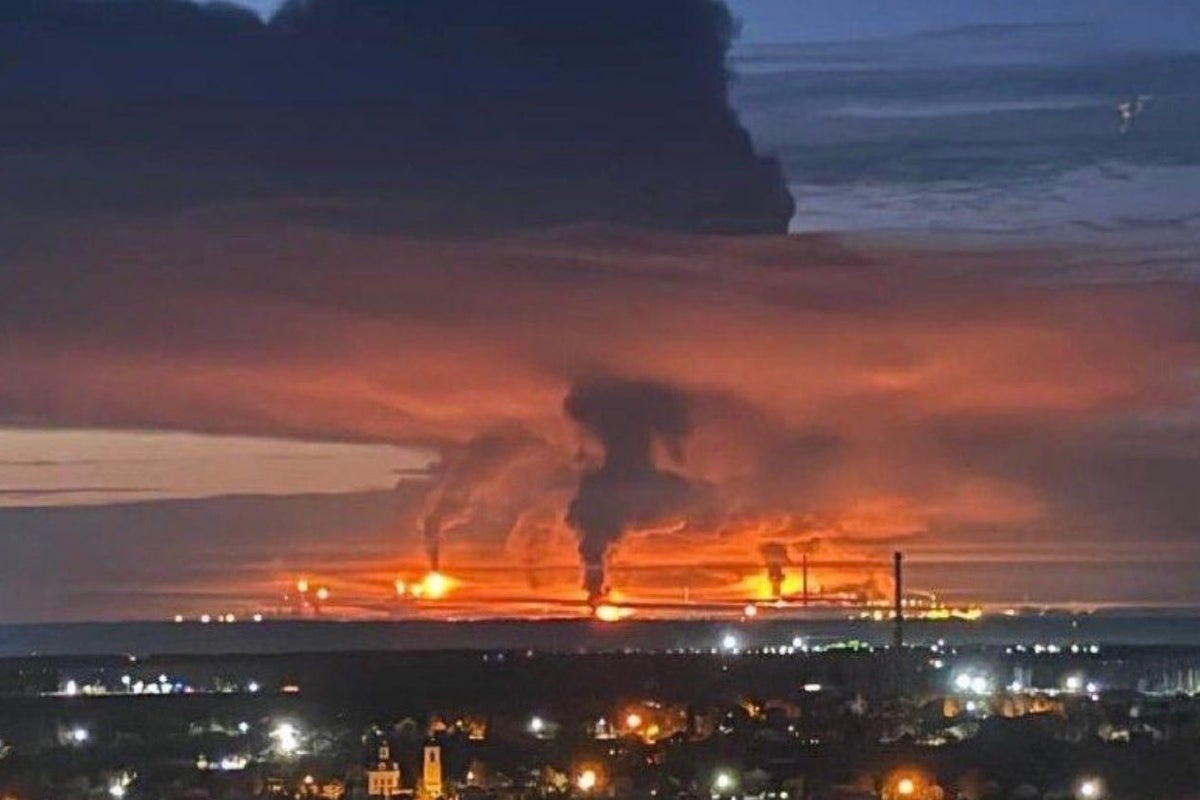
On the battlefield, Ukrainian drone attacks on Wednesday targeted Russia's northwest Leningrad region, which houses major oil and grain export facilities. Governor Aleksandr Drozdenko reported that 146 drones were shot down, though one strike caused a fire at the port of Ust-Luga and cut off a power station. These strikes follow a Monday drone attack on the Kirishi refinery that resulted in one death. Reuters reported that since late October, drone operations have disrupted nine of Russia's 35 major refineries, affecting approximately 2.2 million barrels of daily refining capacity.

The scale of the diplomatic shift is marked by the potential for a territorial exchange, with President Trump suggesting Ukraine may "end up with a different shape" following a deal. Russian President Vladimir Putin has maintained demands for the remaining 20% to 30% of the Donbas region currently held by Ukraine. For residents in these areas, a deal could result in a permanent change in governing authority, legal rights, and citizenship. Additionally, neighboring countries are experiencing immediate security changes; on Wednesday, Latvia and Lithuania issued air raid warnings to residents in regions like Kaunas (population 300,000) due to unidentified drones entering their airspace.

The outcome of the Abu Dhabi talks may set a precedent for how the U.S. handles European security without direct European participation in the final negotiations. Analysts noted that Russia may seek to secure favorable terms before a newly elected U.S. Congress, which some Ukrainian officials hope will be more supportive, takes office in January 2027. Further diplomatic discussions are scheduled, with German Chancellor Friedrich Merz calling for an informal European Union meeting on November 13 to address a projected €70 billion budget shortfall for Ukraine in 2027. Future military deployments, such as the Royal Navy's plan to use autonomous "Kraken 3" boats to intercept Russian vessels, are expected to begin before the end of 2026.

Timeline of what happened

Key dates and decisions, in the order they occurred.

  1. October 31, 2026

    Ukrainian drone strikes on Russian refineries intensify

  2. November 8, 2026

    Nine Zimbabweans arrested in South Africa for alleged recruitment into the war

  3. November 9, 2026

    Drone strike on Kirishi refinery kills one person and causes fire

  4. November 10, 2026

    U.K. Defence Minister Wes Streeting calls for more direct contact with Russia

  5. November 11, 2026

    Peace talks resume in Abu Dhabi; drone strike hits Ust-Luga port area

  6. November 13, 2026

    Scheduled informal EU meeting to discuss Ukraine funding shortfall

Summaries are written by The Plain Record to state the facts of a story plainly and without political slant. Drafted with AI assistance and checked against the source record before publication. See how we report, or report a correction.

← Back to the front page

Questions readers ask

What happened: U.S. Envoys Resume Ukraine Peace Talks in Abu Dhabi Amid Drone Strikes on Russian Refineries?

Resumption of trilateral peace talks between the U.S., Russia, and Ukraine in Abu Dhabi.

Who is involved?

U.S. Envoys Steve Witkoff and Jared Kushner; Secretary of State Marco Rubio; Russian and Ukrainian negotiators.

When did this happen?

Wednesday, November 11, 2026

Where did this happen?

Abu Dhabi, United Arab Emirates; Leningrad region, Russia

Why does this matter?

The U.S. administration is seeking a final end to the war through a new European security framework, while Ukraine is using drone strikes to degrade Russian oil processing capacity.