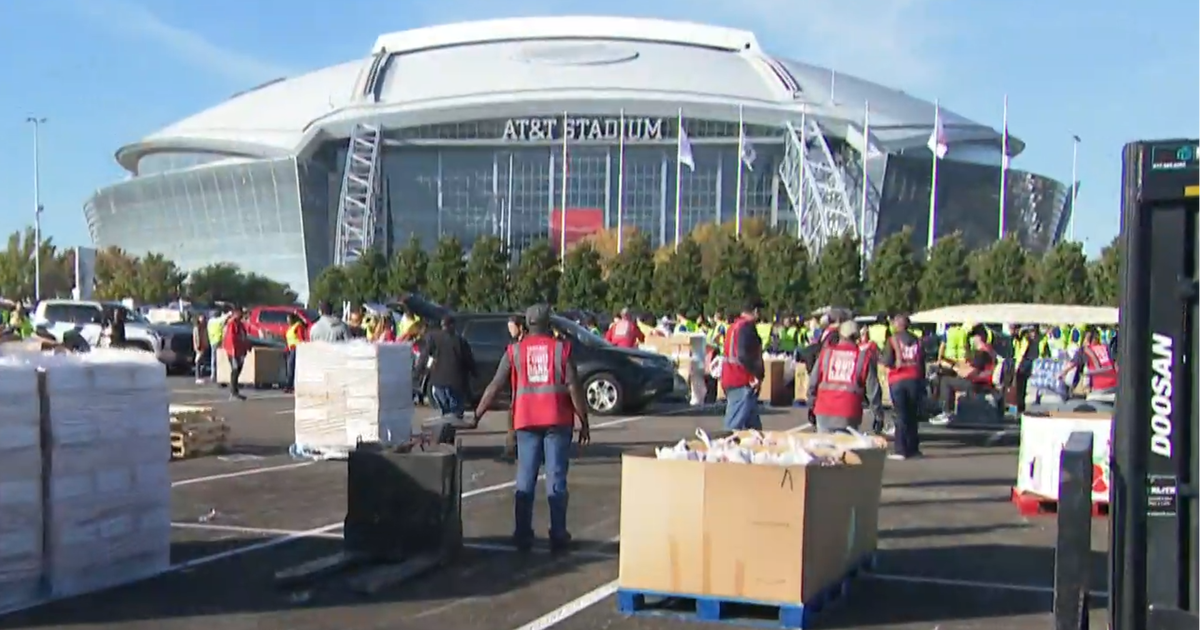
Food banks across the United States reported a surge in demand for assistance during the Thanksgiving holiday period. At a distribution event at AT&T Stadium on November 20, the Tarrant Area Food Bank in North Texas served more than 5,400 families, exceeding its initial projection of 4,000. Organizations in Florida, California, Virginia, and Arkansas similarly reported high turnout, with the Arkansas Foodbank noting a demand increase of approximately one-third.
The rising demand follows a 6% increase in the cost of a traditional Thanksgiving meal compared to the previous year, according to the American Farm Bureau Federation. A survey by the organization found that a dinner for 10 people cost $58.63, with a 16-pound turkey averaging $23.68. While these figures remain below the 2022 record of $64.05, they represent the first price increase since that year.
Factors cited for the increased pressure on food banks include higher grocery costs, the expiration of federal food assistance for millions of Americans, and rising operational costs. Eric Cooper, CEO of the San Antonio Food Bank, attributed the 17% rise in local demand to federal funding cuts, Supplemental Nutrition Assistance Program (SNAP) restrictions, tariffs, and high diesel prices. The North Texas Food Bank reported a 25% increase in hunger, assisting 26,000 families this season.
This trend affects millions of households, particularly the estimated 5 million to 6.5 million Americans who lost federal food assistance following the implementation of the "One Big Beautiful Bill Act" in July. For a typical family, the 6% increase in meal costs means paying nearly $60 for a single holiday dinner, a figure that has risen despite being lower than the 2022 peak. Food banks in states like Texas and Virginia are serving thousands of additional families, many of whom are seeking help for the first time.
The concrete change for many families is the necessity of choosing between basic needs. Texas resident Lauren Sevier, a mother of four, stated that the choice often comes down to buying groceries or essential items like shoes. The scale of the need is further evidenced by wait times at distribution centers; at the Dallas event, the first vehicle arrived at 10:00 p.m. the night before, and in another location, families began lining up at 6:00 p.m. the night before a 9:00 a.m. giveaway.
The strain on these organizations has potential knock-on effects for community resources. A Feeding America poll indicated that 77% of Americans are concerned about the ability of food banks to meet current demand. To address the shortage, the San Antonio Food Bank purchased 12,000 turkeys using donated funds. While organizations like the Arkansas Foodbank state that one dollar can provide five meals, the long-term sustainability of meeting high demand remains a focus for charity leaders. Upcoming legislative sessions or program reviews were not specifically scheduled or reported.