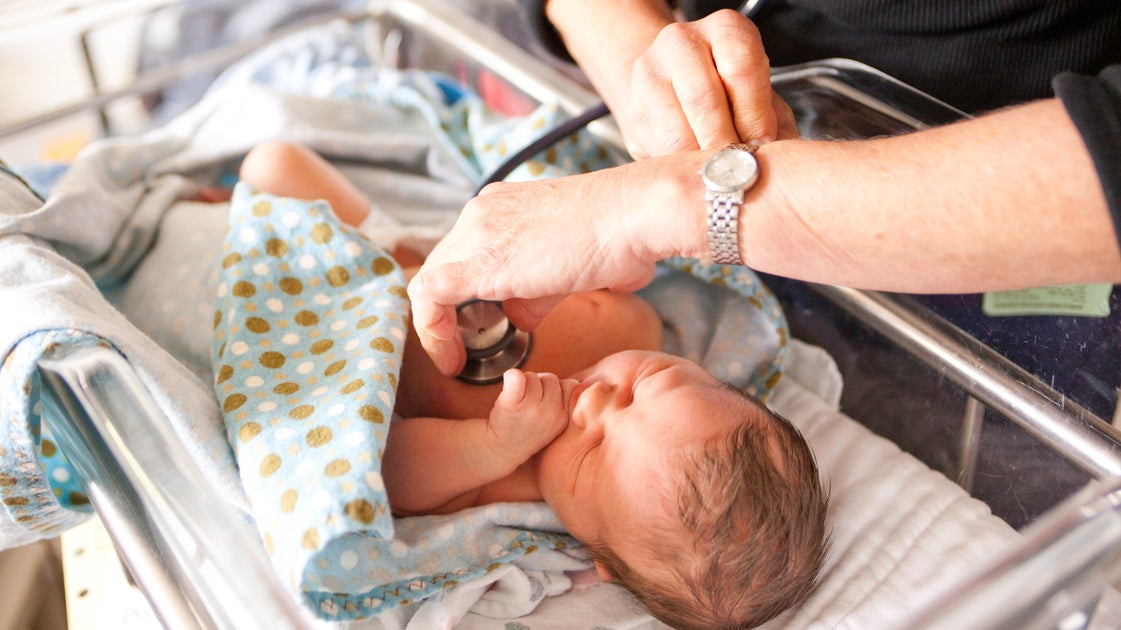
New research indicates that hepatitis B vaccination rates for newborns in the United States have declined by approximately 14 percentage points over the last four years. A study published in the New England Journal of Medicine Evidence, conducted by Callen-Lorde Community Health Center and Truveta, found that 65.6% of newborns received the vaccine within their first 24 hours of life as of June 2026, compared to 80% in 2022.
The data shows the decline began in 2023. This trend occurs as Trump-era federal vaccine advisers voted to remove hepatitis B from the childhood vaccine schedule. The American Academy of Pediatrics filed a lawsuit to block that removal, and the vaccine currently remains on the official schedule while the legal challenge proceeds.
Pediatricians not involved in the study, including Dr. Leslie Treece and Dr. Zhen Chan, noted that before universal newborn vaccination was adopted in 1991, the U.S. saw about 24,000 infant hepatitis B infections annually. Following the adoption of the vaccine, that number fell to a few hundred or fewer cases per year. Hepatitis B is a chronic disease with no cure that can lead to liver failure or liver cancer later in life.
The change in vaccination rates may not result in immediate visible outbreaks like those recently seen with measles in New York, Pennsylvania, and Wisconsin. Dr. Rick Malley of Boston Children’s Hospital explained that because hepatitis B often causes health complications decades after the initial infection, the impact of lower immunization rates in 2026 might not be fully observed for many years. Parents and guardians may notice conflicting information regarding vaccine necessity; however, medical professionals maintain that the vaccine is the most effective way to prevent the estimated 640,000 chronic cases currently present in the U.S. adult population.
What happens next depends on the outcome of the American Academy of Pediatrics lawsuit. If the legal challenge fails, the hepatitis B vaccine could be removed from the recommended childhood schedule. Currently, the vaccine remains part of the standard recommended schedule for all newborns within 24 hours of birth.