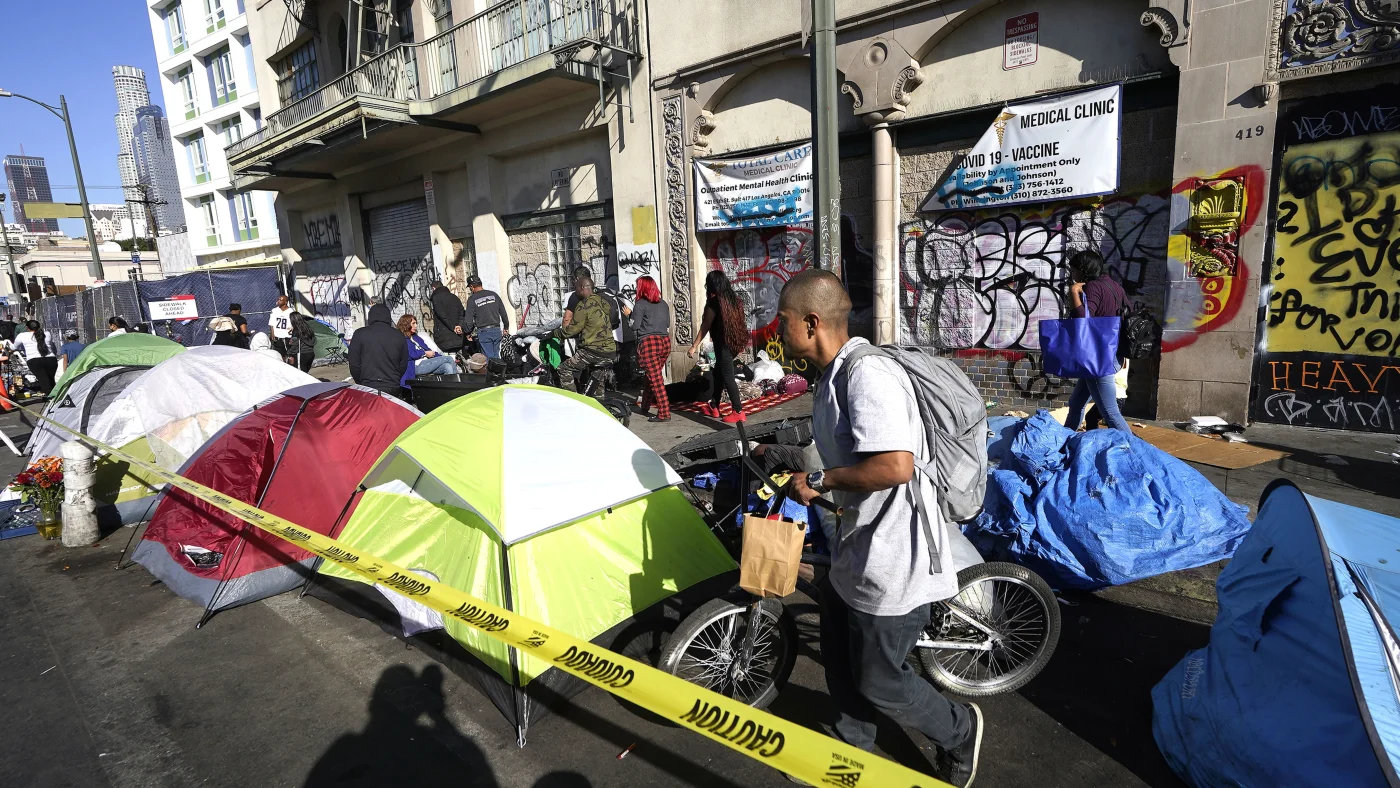
The U.S. Department of Housing and Urban Development (HUD) reported that the homeless population in the United States decreased by more than 6% in 2025. This decline represents approximately 49,000 fewer people without housing compared to the previous year. While this marks the second consecutive year of decline, nearly 700,000 individuals remain in shelters or living on the streets, a figure that remains higher than levels recorded before the COVID-19 pandemic.
The Trump administration and homelessness advocacy groups offered competing explanations for the decrease. HUD Secretary Scott Turner attributed the drop to administration actions regarding border security and the removal of "criminal illegals" from communities. An independent analysis commissioned by the National Alliance to End Homelessness also confirmed the decline but credited congressional funding for housing programs and a softening rental market.
The administration specifically highlighted shifts in immigration policy as a driver for the change, noting that cities like New York, Chicago, Boston, and Denver—which previously saw surges in asylum seekers at shelters—accounted for half of the recent national drop. Additionally, Devon Kurtz of the Cicero Institute pointed to the adoption of sober-living options in cities like San Francisco. The administration has proposed overhauling billions in homelessness spending to prioritize short-term housing with mandatory addiction and mental health treatment, though courts have blocked these efforts.
In contrast, Ann Oliva, CEO of the National Alliance to End Homelessness, attributed the success to programs that provide housing without preconditions, particularly for veterans. Data showed veteran homelessness fell by more than 7% last year and has decreased nearly 60% since 2010. However, Oliva noted a slight increase in chronic homelessness among individuals with long-term mental health or addiction issues, arguing for more permanent housing solutions.
The two sides also disagreed on the impact of encampment bans following a 2024 Supreme Court ruling. While HUD credited the crackdown for reducing homelessness, the Alliance's analysis suggested that cities with such bans performed worse than the national average. Other factors cited for the decline included aid provided following weather disasters in Hawaii and western North Carolina, where disaster response efforts reportedly extended assistance to previously unhoused residents.
The change in policy direction creates a concrete shift in how federal and local resources are utilized. The Trump administration is seeking to move away from "Housing First" models—which provide permanent housing before addressing health issues—in favor of mandatory treatment programs. If the administration successfully overcomes court challenges to overhaul billions in federal spending, individuals seeking government assistance would notice a transition from voluntary services to mandated addiction and mental health requirements in exchange for short-term housing.
The knock-on effects of these findings will likely influence future legislative debates regarding border policy and urban law enforcement. The attribution of the decline to immigration enforcement and encampment bans establishes a precedent for using these methods as primary tools for reducing shelter populations. Conversely, the success cited in veteran-specific programs may protect those specific funding streams. The next steps involve ongoing court proceedings regarding the administration’s spending overhaul and the continued monitoring of rental market trends to see if the downward trajectory in homelessness persists into 2026.