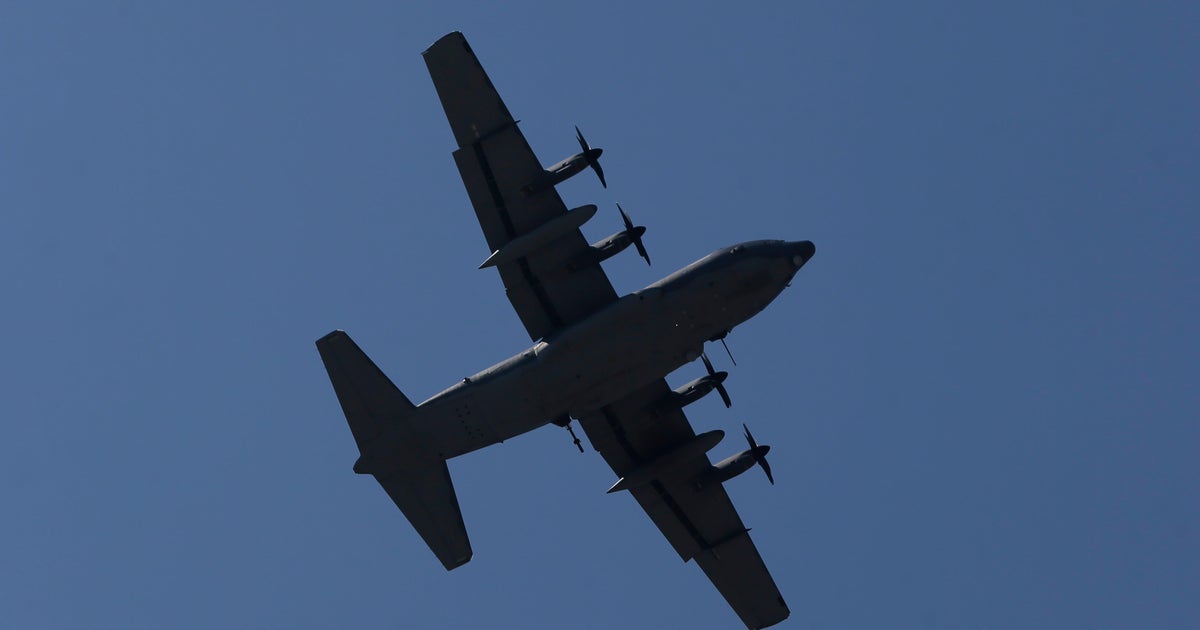
Federal prosecutors in Manhattan unsealed an indictment on a Tuesday charging Daithi O'Corrain, 48, with the destruction of U.S. government property. The charges stem from an April 11 incident at Shannon Airport in Ireland, where prosecutors say O'Corrain used an ax to disable a U.S. Air National Guard C-130 Hercules transport plane. The aircraft, valued at $60 million, was rendered inoperable and will not fly again.
Shannon Airport serves as an international gateway in western Ireland and functions as a hub for American military personnel and equipment. According to the FBI, the damage to the aircraft jeopardized military operations. O'Corrain was arrested at the scene by the Irish police force, An Garda Síochána, and faced local charges of criminal damage and trespassing. Supporters of O'Corrain described him as an independent peace activist and stated the act was a protest against U.S. military involvement in Middle East conflicts.
Prosecutors alleged that O'Corrain planned the breach for months, researching C-130 construction and airport coordinates, and purchasing gallium, a chemical used to corrode aluminum. On the morning of April 11, the indictment states O'Corrain entered the plane at approximately 4:40 a.m. while it was parked on a taxiway. He reportedly barricaded himself inside using straps and epoxy, covered windows with crew hammocks, and spent several hours disabling internal components, including wire bundles and cockpit gauges.
The flight crew discovered O'Corrain at approximately 9:40 a.m. when they saw him through the cockpit windshield. The indictment alleges he emerged through a roof hatch and struck the plane’s exterior with an ax before pouring ball bearings into the fuel tanks. Manhattan U.S. Attorney Jamie McDonald stated the indictment is intended to signal that attacks on military assets will not be tolerated. O'Corrain, a resident of Cork, Ireland, is not currently in U.S. custody, and an arraignment date has not been set.
In terms of legal rights and day-to-day changes, O'Corrain faces a maximum sentence of 10 years in prison if convicted in a U.S. court. However, because he is not in U.S. custody, the timing of any trial or potential extradition remains unknown. This move by the U.S. Department of Justice marks a formal response to a protest that resulted in the physical destruction of military hardware.
Next, the legal process will depend on whether O'Corrain is transferred to U.S. jurisdiction. No attorney is currently listed for him in U.S. court records. The incident adds to a series of recent security challenges at Shannon Airport, including other reported breaches in the last year and a half where individuals were accused of spray-painting a plane or driving into restricted areas. No specific dates for further court proceedings were reported.