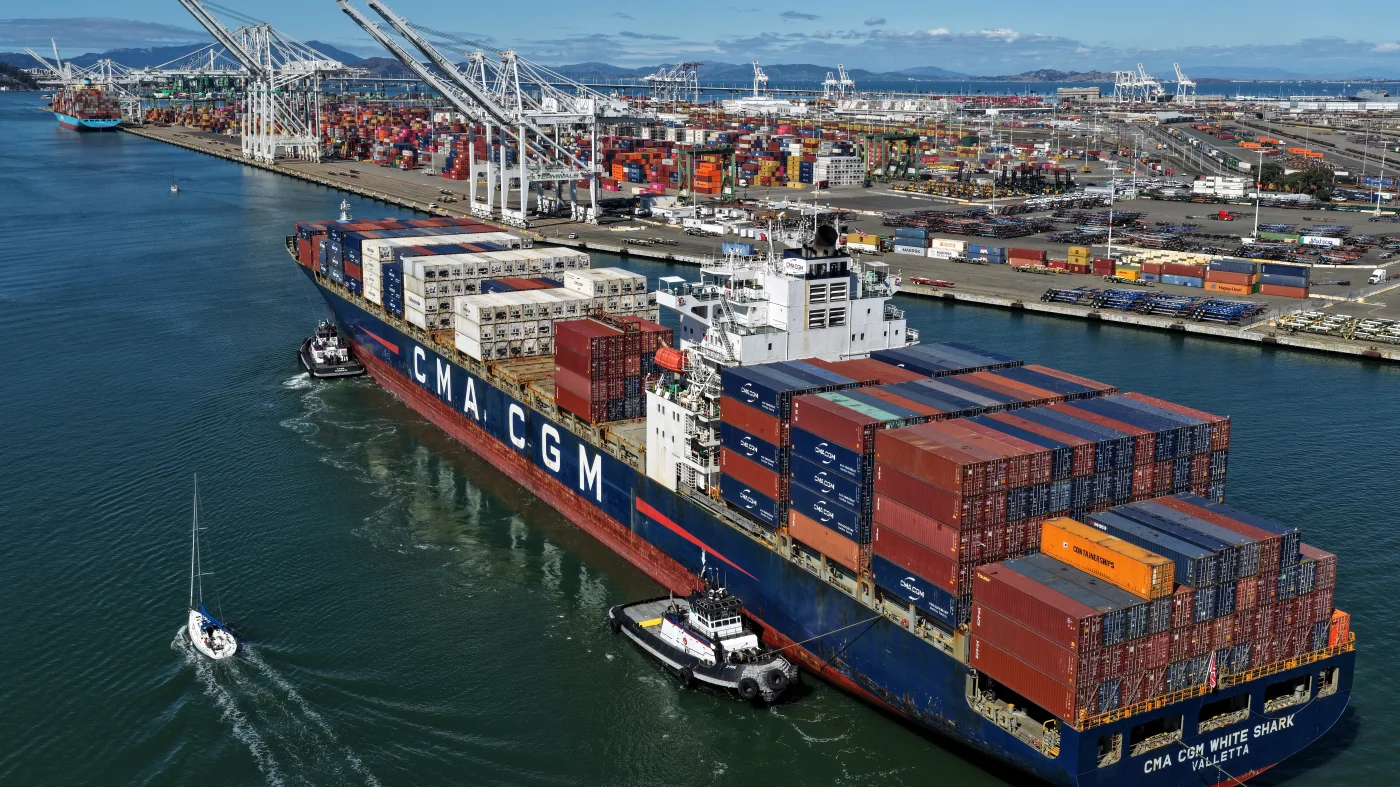
The U.S. government is investigating potential Iranian involvement in cyberattacks targeting as many as 50 commercial shipping vessels. U.S. officials and industry executives reported that these maritime breaches may be part of a broader pattern of cyber activity directed at global infrastructure during the ongoing conflict between the U.S. and Iran.
The investigation follows previous reports of cyberattacks attributed to Iranian actors, including breaches of U.S. water treatment systems in August and refrigeration systems at European and U.S. military grocery stores in early November. While investigators are looking at Iran, a Trump administration official stated that no evidence has yet established Iran's direct involvement, and Russia is also being considered as a possible suspect.
According to a U.S. official familiar with the matter, the hackers utilized known vulnerabilities in Fortinet FortiGate devices to move from a ship's information technology (IT) systems to its operational technology. This second network controls physical processes such as propulsion, steering, navigation, and cargo management. The FBI and Coast Guard stated there are currently no reports of operational disruptions, vessel instability, or physical danger to crews, though some ships reportedly received warnings and bomb threats.
Federal authorities began a direct response in August when the Coast Guard and FBI sent a specialized team to board two foreign commercial vessels in the "Gulf of America" that were bound for U.S. ports. In recent weeks, the Coast Guard deployed cyber protection teams to at least four additional targeted ships. Officials noted that some crew members discovered the breaches after experiencing email disruptions or extended communication blackouts.
For the ordinary person, these digital vulnerabilities could translate into concrete physical delays or price changes in the supply chain. A U.S. official noted that disruptions to the marine transportation system could prevent consumer goods from reaching their destinations, particularly during high-demand periods like the winter holiday season. Additionally, the targeting of tankers carrying explosive materials means that a successful breach could lead to local maritime accidents that disrupt port operations and regional energy supplies.
The knock-on effects involve a shift in how commercial shipping is secured, moving from a focus on physical post-9/11 security to a "new paradigm" of networked digital defense. This sets a precedent for federal intervention in private commercial shipping, as the U.S. government must now scan for "basic cyber hygiene" issues in privately owned firewalls and VPNs to protect national infrastructure. What happens next is a period of increased scrutiny for ships entering U.S. ports, with the Coast Guard and FBI expected to continue investigations and boarding operations as the winter shipping season continues. No specific court dates or legislative votes were reported.