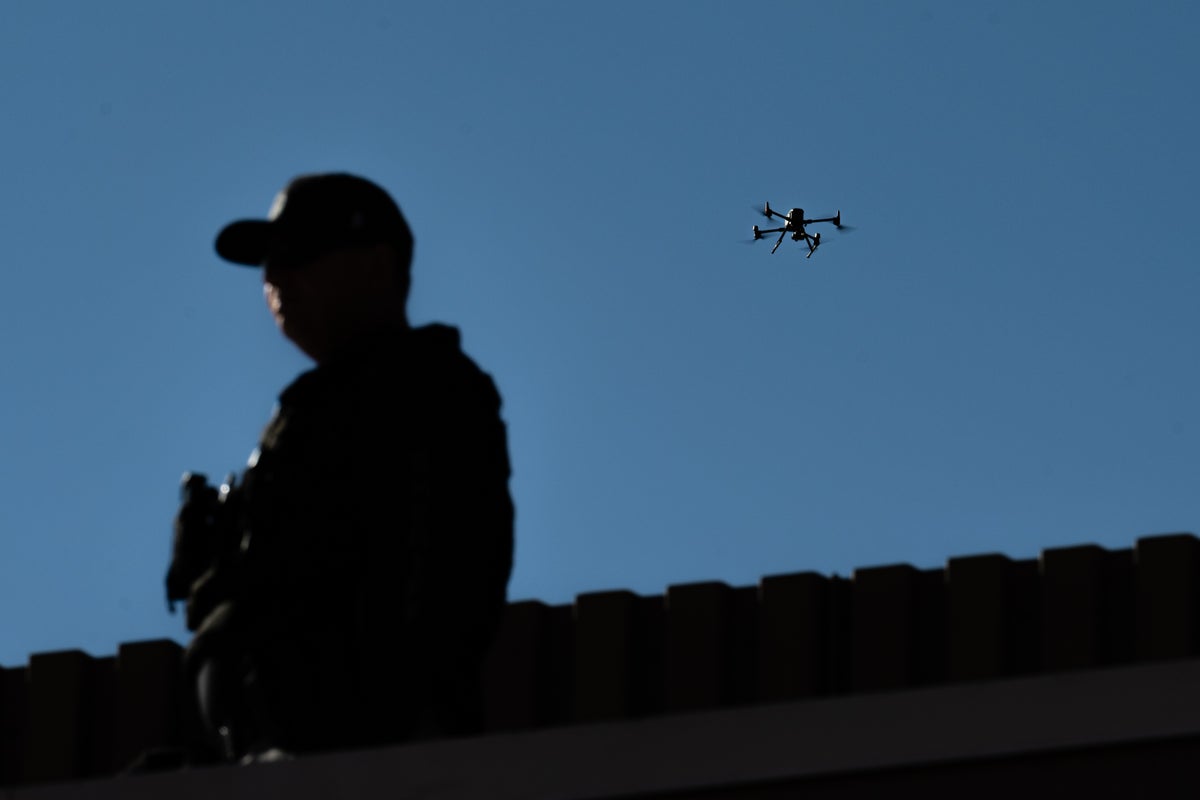
Police departments in several U.S. cities, including New York, Las Vegas, and St. Louis, have implemented "Drone as First Responder" programs to assist with emergency calls. These systems involve unmanned aircraft launched from precinct rooftops to arrive at scenes before ground units. Law enforcement officials state the technology is a response to staffing shortages and a method to provide real-time intelligence to officers. Proponents, such as defense attorney Brandon Henderson, note that drones can de-escalate scenes by providing live video, while privacy advocates and legal experts raise concerns regarding the extent of public surveillance.
The programs have expanded recently as departments face personnel challenges. The Government Accountability Office reported a nationwide reduction in police staffing due to resignations and retirements between 2019 and 2024. In St. Louis, police adopted an "Aerial Response Unit" in early November 2026. Within hours of approval, the department reported using drones to assist in locating a missing boy. In North Carolina, the Durham and Fayetteville police departments approved similar programs earlier in 2026, while the Raleigh Police Department is currently gathering information on the technology.
The operational speed of these units varies by department. In Chula Vista, California, which started its program in 2018, drones arrive at scenes in an average of 97 seconds and resolve approximately 20% of calls without requiring a patrol unit. St. Louis Public Affairs Director Mitch McCoy stated their drones can be on-scene within 70 seconds of dispatch. In New York City, the NYPD uses drones for priority calls such as robberies and ShotSpotter alerts, streaming video directly to officers' smartphones. The Las Vegas Metropolitan Police Department, which first used drones to map the 2017 Route 91 Harvest festival shooting site, now uses them for search-and-rescue and building inspections.
The concrete change for citizens involves both response speed and privacy. While drones provide immediate visual confirmation of an emergency, Henderson noted they also record bystanders, neighbors in yards, and people on the street who are not involved in the 911 call. Residents may notice these aircraft answering calls for shots fired or missing persons, but they may not be aware when they are being filmed. The knock-on effects include potential changes to how evidence is gathered for criminal trials and how departments allocate limited personnel. As the Federal Aviation Administration (FAA) simplifies approvals for "beyond-visual-line-of-sight" flights, these programs are expected to become more common in mid-sized and large municipalities.
What happens next depends on local legislative and regulatory responses. While the technology is currently in use, Mourtgos noted that research has not yet determined if faster response times outweigh the financial and privacy costs. Henderson stated that once these programs are operational, it becomes difficult to establish stricter rules regarding who owns the footage and how long it is stored. There are currently no reported nationwide deadlines for regulation, but departments like Raleigh continue to evaluate the technology for potential future adoption. Residents in cities with active programs will continue to see drones deployed for ShotSpotter activations and other priority emergencies as departments monitor the impact on staffing levels.