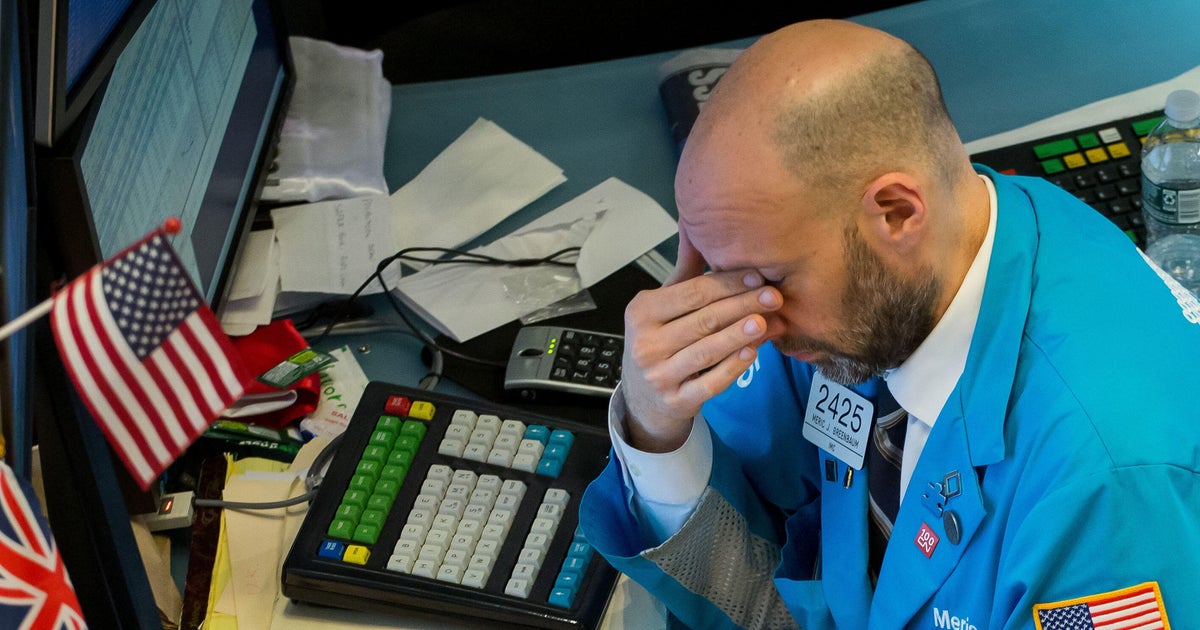
The S&P 500 moved toward its seventh consecutive day of losses on Friday, representing the longest downward trend for the index since February 2020. During early afternoon trading, the Nasdaq composite fell 3.5%, while the S&P 500 declined 2.1% and the Dow Jones Industrial Average dropped 0.7%. Market analysts cited concerns regarding artificial intelligence profitability, potential interest rate hikes, and geopolitical tensions as primary factors for the decline.
The sell-off follows regulatory filings from Anthropic, which reported $104 billion in losses for the first nine months of 2026 despite rapid revenue growth. Additionally, investors are reacting to shifts in the U.S. political landscape. With Democrats expected to take control of Congress in January, market participants are anticipating potential legislation that could restrict the construction of data centers.
International and domestic policy developments have further influenced market activity. The U.S. Department of Commerce moved to restrict advanced AI chip exports to China following the resignation of former Nvidia CEO Jensen Huang, amid reports of a personal relationship with a woman identified by U.S. intelligence as a foreign operative. Domestically, Federal Reserve officials signaled a possible interest rate increase at their December meeting to address inflation, which remains above the 2% target.
The current market downturn affects millions of retirement savers and individual investors who hold diversified portfolios or tech-heavy mutual funds. For a household with $100,000 in a Nasdaq-tracking fund, the Friday afternoon decline of 3.5% represents a temporary loss of approximately $3,500 in account value in a single day. These fluctuations impact the projected retirement dates and long-term savings goals for employees, particularly those whose 401(k) plans have been concentrated in artificial intelligence and technology stocks.
The scale of the fiscal impact extends to the federal level, where a Dec. 11 deadline to fund government agencies is approaching. Federal workers and citizens relying on agency services face the risk of a government shutdown if Congress fails to reach a deal. Some lawmakers are currently seeking to block funding unless it includes restrictions on U.S. involvement in a potential conflict with Iran. Analysts from Oxford Economics noted that a divided government next year could lead to recurring disputes over the debt limit and federal spending, which typically creates volatility in the markets.
Looking ahead, the Federal Reserve is scheduled to meet in December to decide on interest rates, a move that would increase monthly payments for consumers with variable-rate debt. Market participants are also monitoring the transition of power in Congress this January to see if proposed restrictions on data centers become law. While investment advisors generally caution against panic selling, the immediate outlook remains tied to whether technology firms can translate infrastructure investments into profits and how geopolitical tensions in the Middle East and trade restrictions with China develop.