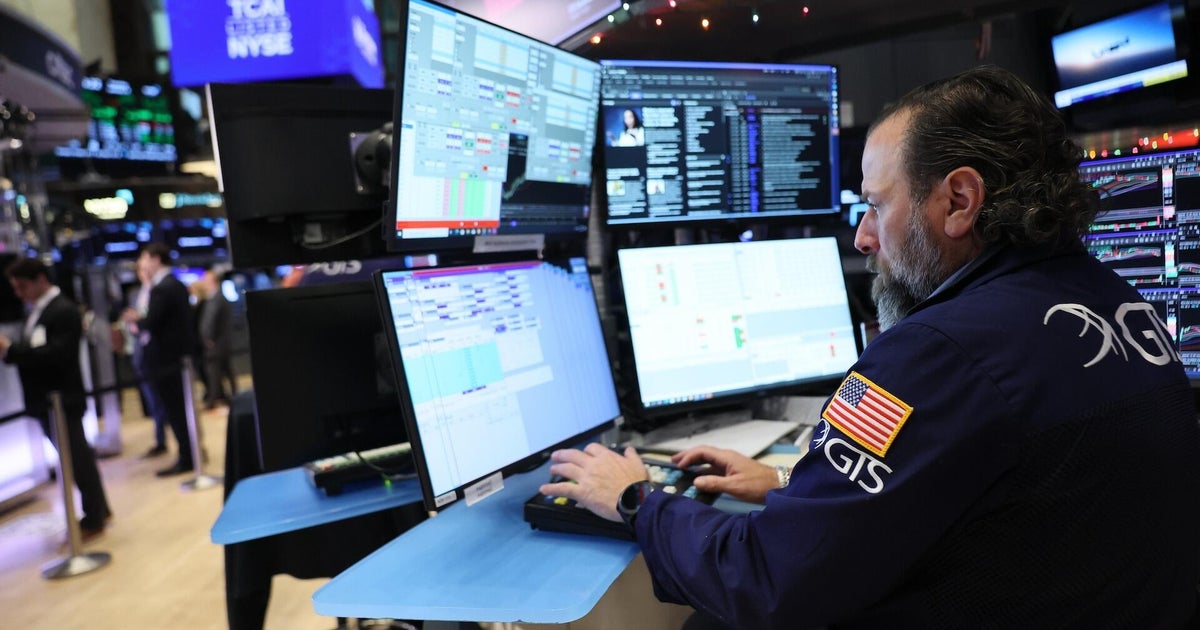
U.S. stock indexes fell sharply on Friday, November 20, 2026, as a sell-off in technology and artificial intelligence companies intensified. The Nasdaq Composite dropped 1,261 points, or 5.3%, to close at 22,618, erasing its gains for the year, while the S&P 500 and Dow Jones Industrial Average both closed in correction territory.
A market correction is defined as a decline of at least 10% from a recent peak. The S&P 500 fell 3.7% on Friday, marking its seventh consecutive day of losses, while the Dow declined 1.9%. The downturn follows a period where AI-related stocks drove market gains, but investors are now questioning the long-term value and financing of the sector.
The semiconductor industry experienced significant losses, with Nvidia shares falling 14% on Friday and more than 25% since a scandal involving co-founder Jensen Huang earlier in the month. Other chipmakers, including Advanced Micro Devices (AMD) and Broadcom, also saw double-digit percentage drops. Market analysts attributed the decline to concerns over data center construction speeds and tighter federal export policies for U.S. chips.
Anthropic, the AI firm that launched a high-profile initial public offering (IPO) earlier in the week, saw its stock fall 9.3% to $88.14 on Friday. While the price remained above its $83 IPO level, it had declined approximately 23% from its peak of $115.10 reached on Thursday. Despite the tech rout, some non-technology stocks gained, including General Mills, which rose 4.4%, and homebuilder Lennar, which increased 2.5%.
The volatility has caused a flight to safety among investors, who moved capital into government bonds. The 10-year Treasury yield fell 13 basis points to 4.92%, its lowest level in more than 10 days. Additionally, the Cboe Volatility Index (VIX), often called Wall Street’s "fear gauge," briefly spiked to 40 on Friday, nearly double its yearly average. This indicates heightened anxiety among traders regarding future market stability and could lead to more conservative lending and investment behavior in the coming months.
The tech rout may also influence federal monetary policy. Bond traders have shifted expectations for the Federal Reserve’s December meeting; while 91.8% still expect a 25-basis-point rate hike, approximately 8% now anticipate the Fed will hold rates steady, a possibility that was not priced in a day earlier. Further market movements could be dictated by whether these declines stabilize or transition into a bear market—defined as a 20% drop from peaks—though analysts noted that only five of the last 15 corrections since 1983 have resulted in bear markets. Markets will reopen for regular trading on Monday morning following the weekend.