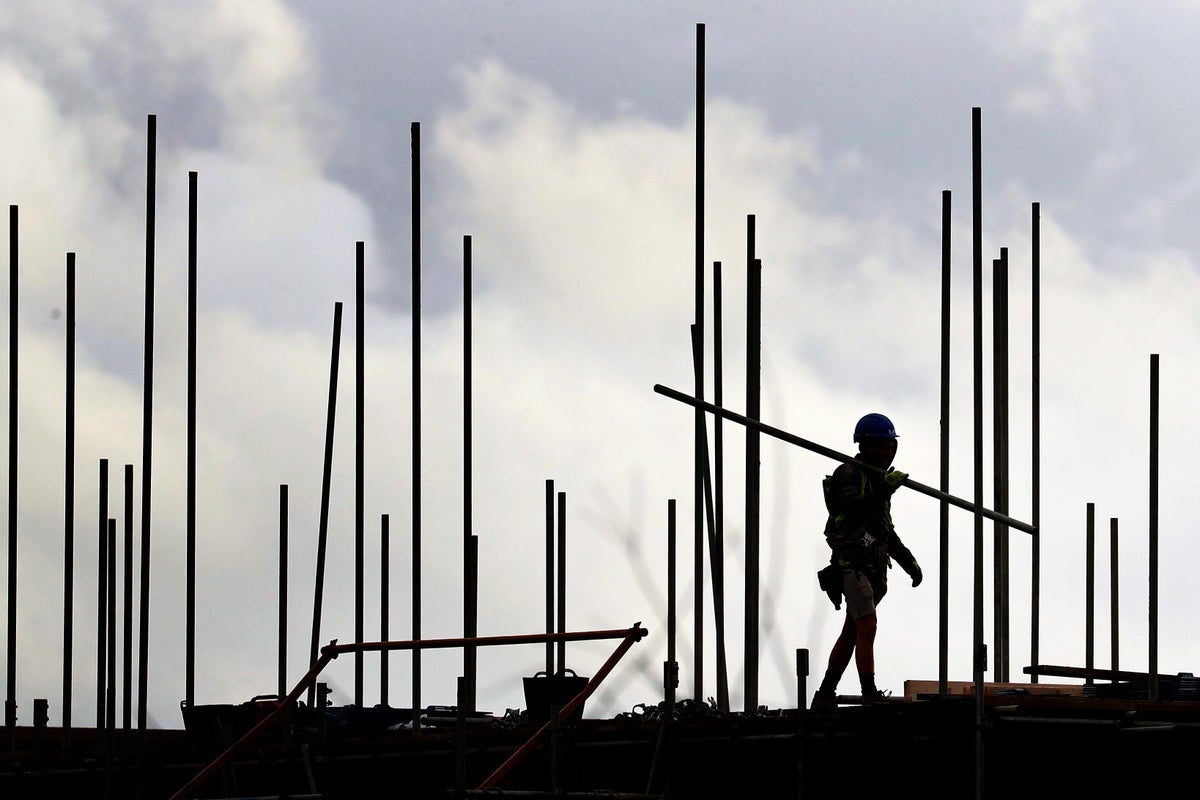
The United Kingdom construction sector experienced a decline in activity in October 2026, driven primarily by a slump in housebuilding. The S&P Global UK construction purchasing managers’ index (PMI) reported a reading of 43.6 for October, a decrease from 46.1 in September. This figure fell below the 46.5 reading anticipated by economists and represents nearly two years of continuous contraction for the industry.
The report identifies rising borrowing costs, elevated economic uncertainty, and weak consumer confidence as factors weighing on the housing sector. These challenges persist despite the September 2026 launch of the "Your First Home" scheme, a government initiative intended to assist first-time buyers in England with low-deposit options and equity loans.
Tim Moore, economics director at S&P Global Market Intelligence, stated that while housebuilding faced "severe headwinds," other sectors showed resilience. Specifically, there were reports of demand for data center projects and increased workloads in the energy and utilities sectors. Civil engineering activity also declined, but at its slowest pace since May 2025.
Rising input costs, attributed in the report to the war in Iran, have intensified pressure on building firms. Input price inflation accelerated in October from the seven-month low recorded in September, marking the steepest rise in purchasing prices since June. Mr. Moore noted that construction firms have become cautious regarding the business outlook for the coming year due to these costs and reduced order books.
For households in England, the slump in housebuilding potentially limits the availability of new homes. The "Your First Home" scheme provides an equity loan of 20% interest-free for five years to those with a 2.5% deposit, but the reported decline in construction activity suggests there may be fewer properties available to purchase under this program. Additionally, the reported rise in input costs could eventually impact the final sale prices of homes or the fees charged for renovations and utility works.
The knock-on effects extend to the broader economy, as the construction downturn mirrors weakened consumer confidence and higher borrowing costs across the UK. While infrastructure and data center projects provide some stability, the rise in purchasing prices—the highest since June—suggests that inflationary pressures from global conflicts are being felt at the site level. The next indicator of the sector's health will be the November PMI report, which will show whether the optimism, currently at its lowest level since 2022, leads to further reductions in industry output.